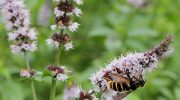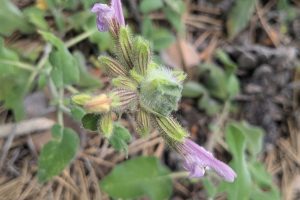
High on the sun-baked slopes where the Mediterranean breeze carries the scent of wild herbs, a sturdy evergreen stands like an old friend its broad crown offering shade and its long, chocolate-brown pods dangling like nature’s own candy bars. Meet the carob tree, a quiet giant of the Cypriot landscape that has sweetened island life for thousands of years.
A Hardy Member of the Legume Family
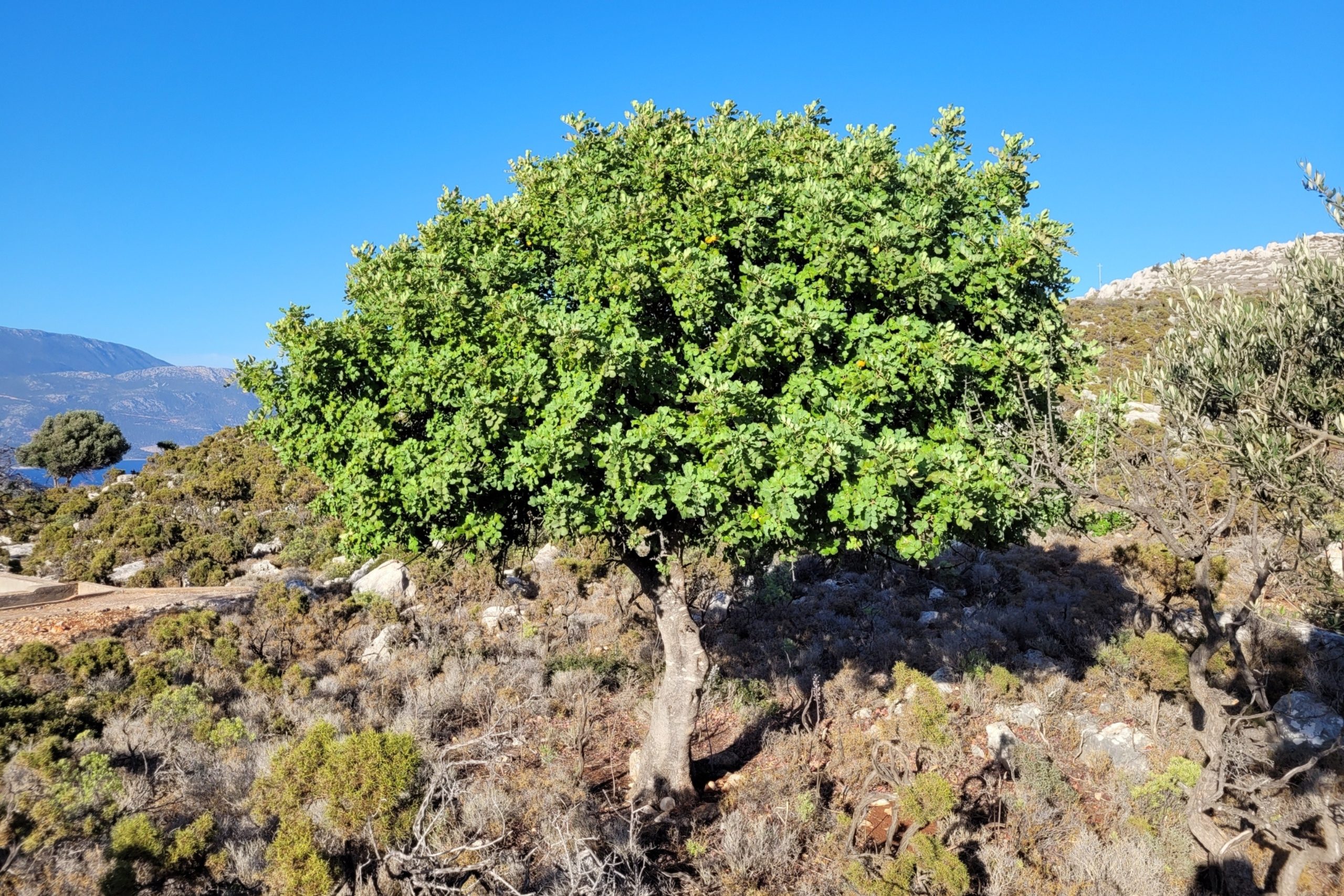
Known scientifically as Ceratonia siliqua, this evergreen tree belongs to the Fabaceae family (the pea and bean clan) within the broader order Fabales. In Cyprus it is a classic component of the maquis and garigue shrublands, thriving alongside olives, pistachios and pines. Reaching up to 15 metres with a rounded crown and rough, dark bark, it is perfectly adapted to the island’s dry summers and mild winters.
Ancient Companion of Cyprus Forests
Long before vineyards or pine plantations covered the hills, carob trees formed part of the island’s original woodland cloak. Early naturalists described vast Mediterranean forests where carob mingled with myrtle, arbutus and pistachio on slopes that later became maquis after centuries of grazing and clearing. In the 19th century, British foresters noted its presence in degraded shrublands, while local tradition has always celebrated the tree’s resilience — plant an olive for your children, the saying goes, but plant a carob for your grandchildren, for its deep roots and long life ensure future harvests.
Distinctive Features That Set It Apart
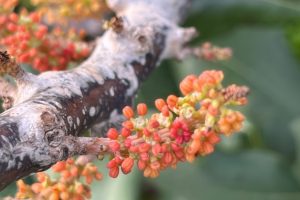
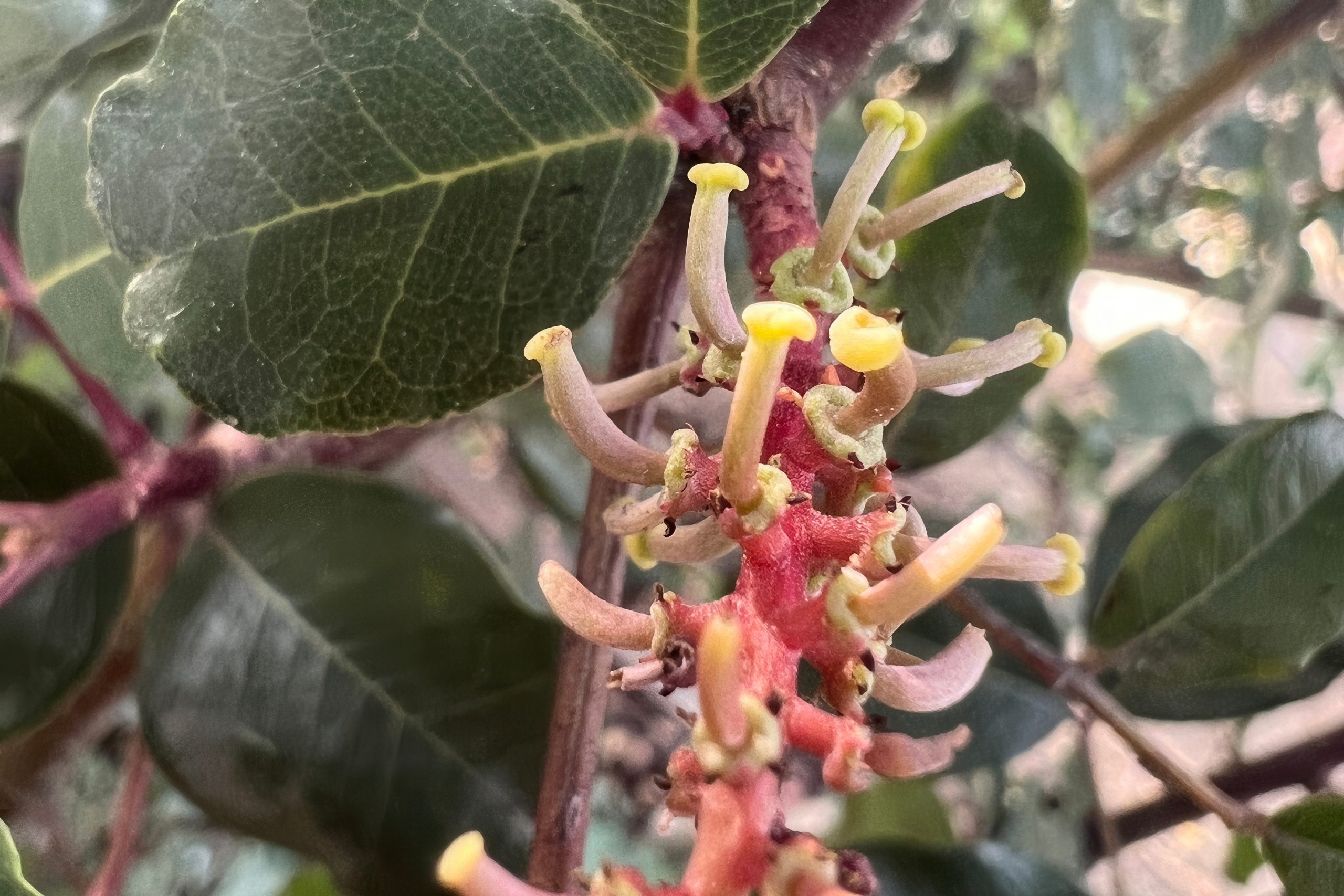
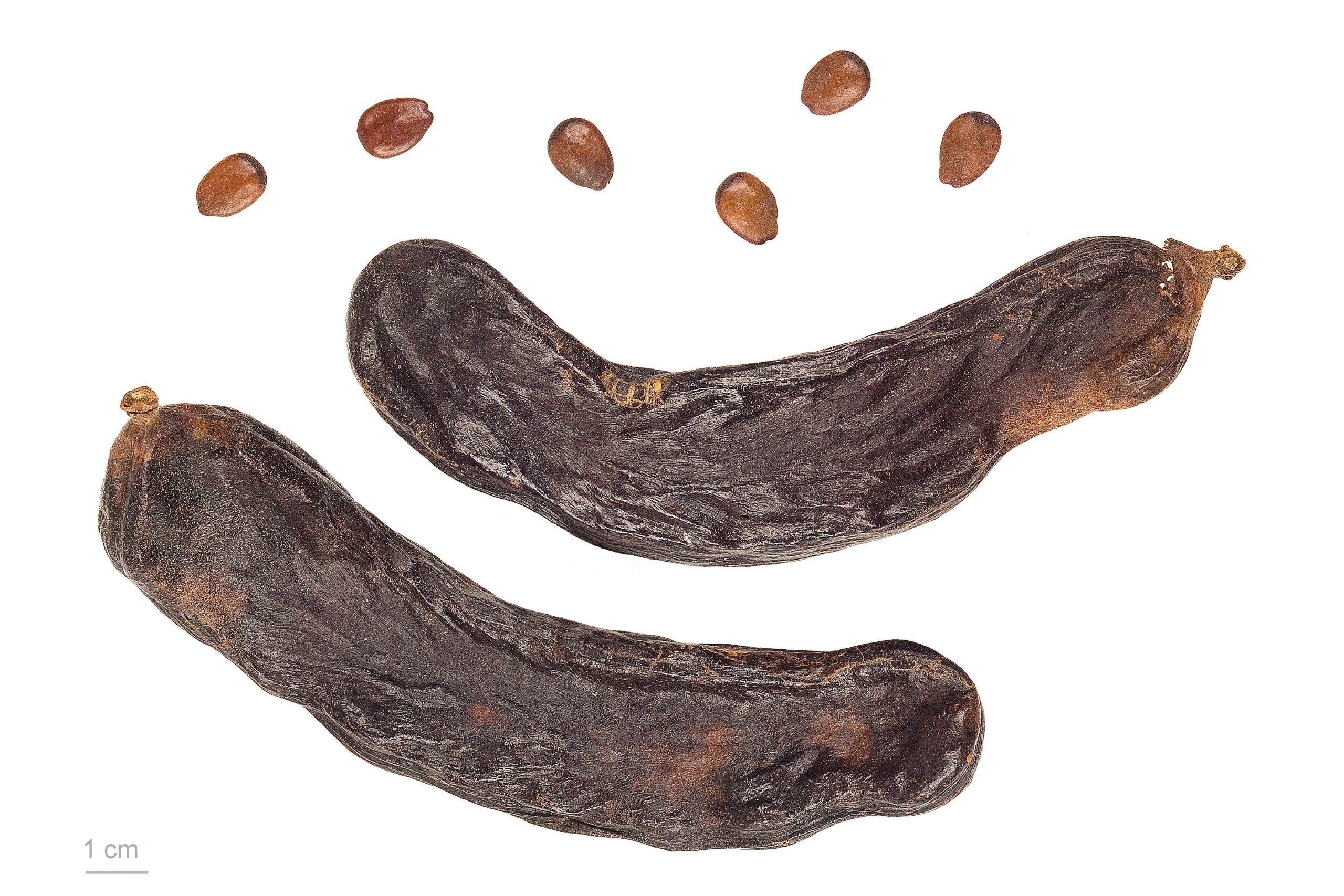
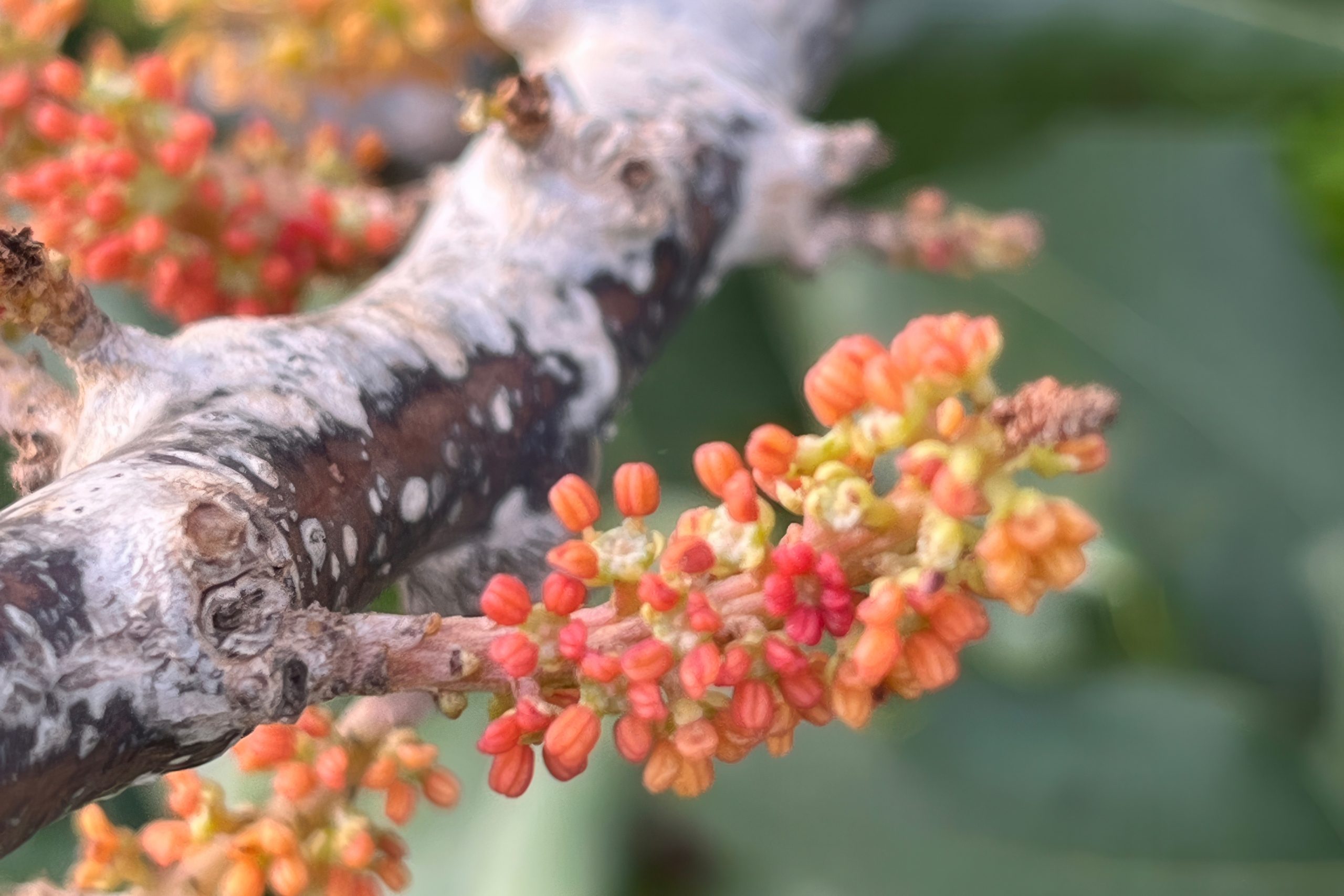
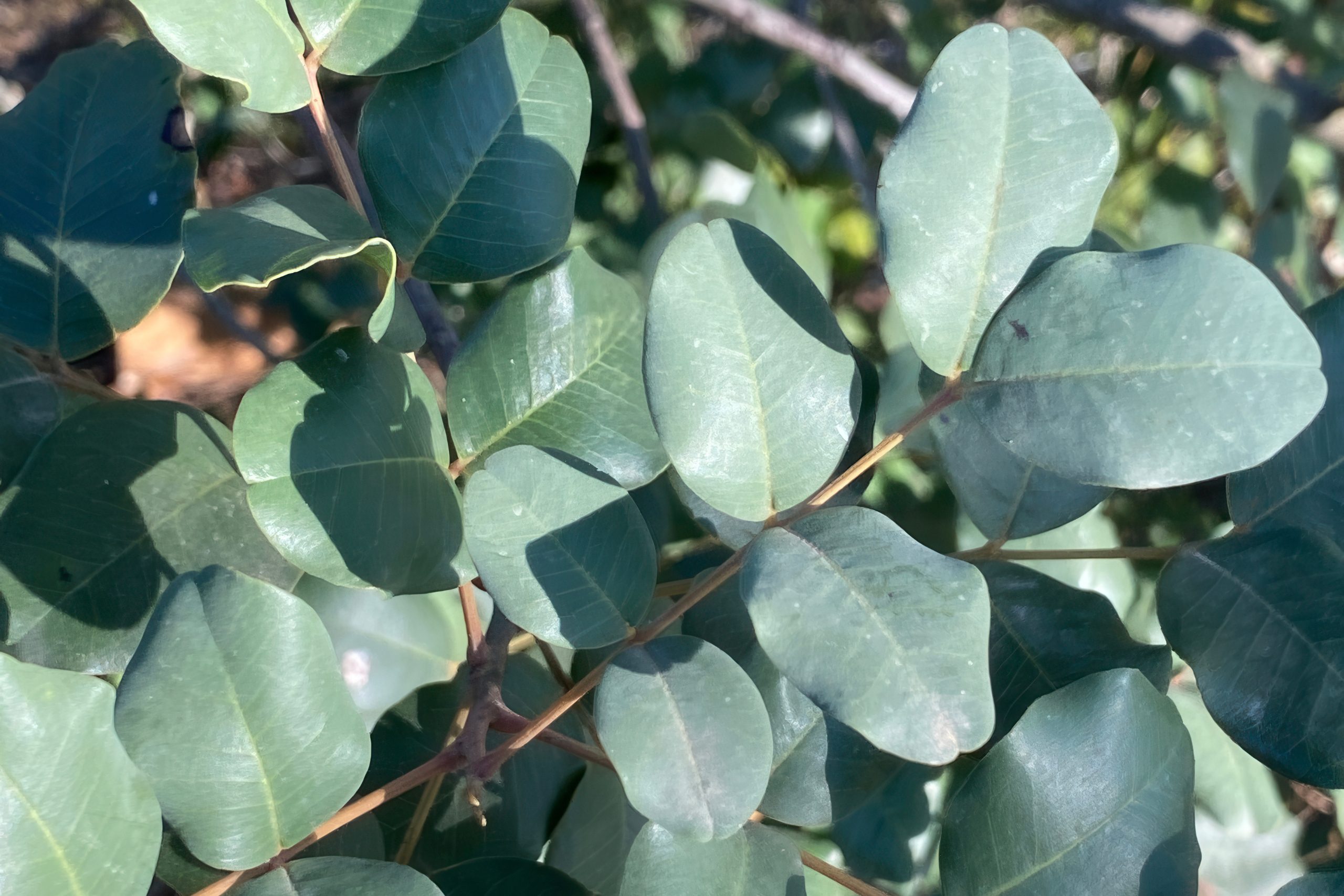
The carob’s pinnate leaves are glossy dark green above and paler below, staying on the tree year-round. Flowers appear in late summer on old wood or even the trunk (a trait called cauliflory), forming clusters of tiny, petal-less blooms — males with a curious scent that some find off-putting, females producing the fruit. The pods, up to 30 cm long and curved like horns, ripen to a rich brown, filled with sweet, sugary pulp and hard, shiny seeds. These “horns” give the tree its Greek name τερατσιά (teratsiá), from the ancient word κεράτιον (keration) meaning “little horn.”
Five Delightful Tidbits
- The carob seed was once the standard for weighing gold and gems its remarkable uniformity gave us the word “carat.”
- Cyprus produces a famous carob syrup called haroupomelo, made by soaking and boiling the pods a thick, sweet treat enjoyed for centuries and still bottled locally.
- Male flowers smell strangely like human semen because of natural amines — nature’s quirky way of attracting certain pollinators!
- One mature tree can produce up to 200 kg of pods a year, providing food for people, livestock and even modern food industry thickeners (locust-bean gum).
- The pods taste like mild chocolate but contain no caffeine or theobromine, making them a perfect treat for dogs and chocolate-sensitive humans.
Deeper Botanical and Cultural Layers
As a legume, the carob enriches the soil with nitrogen through symbiotic bacteria, helping neighbouring plants in poor, rocky ground. Its pods are packed with sugars (up to 50% when ripe), fibre, minerals and antioxidants. In Cypriot tradition the tree symbolises endurance: its wood makes excellent charcoal, its bark was used for tanning leather, and its pods fed families during hard times. Today it remains protected under Cyprus forest law — you need a permit to cut one down.
Still Sweetening Cypriot Life
In modern Cyprus the carob is both heritage and opportunity. You find it in maquis near the coast, in village orchards, and even lining some roads. Local producers turn pods into syrup, flour for healthy baking, and snacks like pasteli (a chewy carob-honey bar). It supports biodiversity, offers shade for walkers, and reminds us that drought-tolerant natives can be more valuable than imported exotics.
Finding and Tasting the Carob
Head to the Akamas Peninsula, the lower Troodos foothills or coastal paths around Paphos and Limassol in late summer and autumn. Look for the heavy, dark pods hanging low many are on public land or near nature trails. Visit a village kafeneio for a glass of chilled haroupomelo, or join a guided walk with local forestry officers who can show you ancient specimens. Touch the pods (they’re safe!), inhale the sweet scent, and perhaps take home a bottle of syrup as a taste of Cyprus.
In a world racing toward quick fixes, the carob tree stands patient and generous, its roots deep in Cypriot soil and its pods full of stories. It connects us to the island’s ancient forests, to generations of islanders who relied on its sweetness, and to a future where resilient natives still have pride of place. Next time you crunch a carob pod or sip its syrup, remember you’re tasting a living piece of Mediterranean history, right here on our beautiful island home.