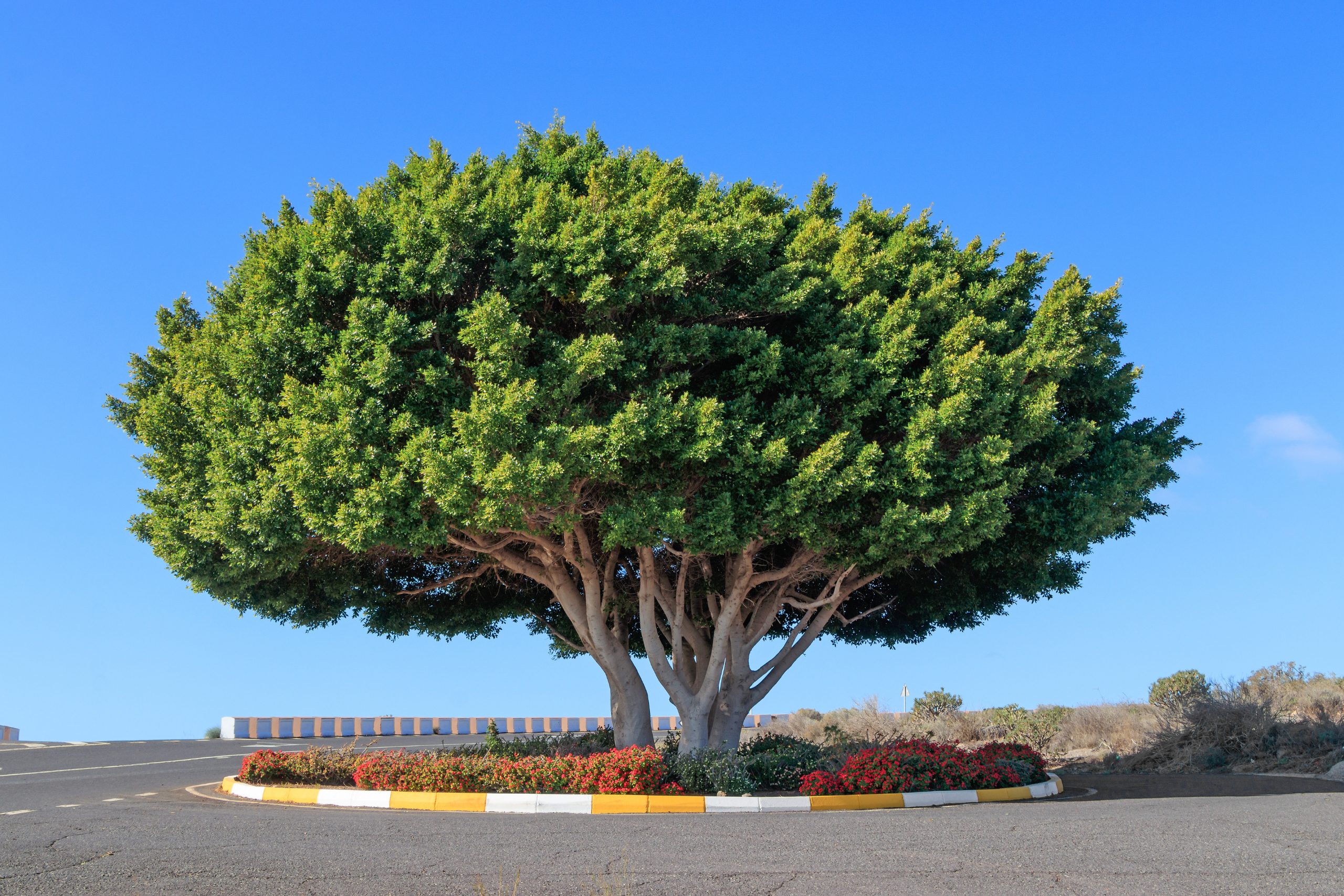
Picture yourself in a bustling Cypriot park on a warm afternoon, where a massive tree spreads its branches like a living umbrella, its twisting roots dangling mysteriously from above. This is the Chinese banyan, a grand fig tree that has found a second home on our island, offering shade and a touch of tropical wonder to everyday life.
Meet the Mighty Fig
The Chinese banyan is a type of fig tree from the vast Moraceae family, which includes over 800 species worldwide, from the sweet edible figs we enjoy to towering rainforest giants. In Cyprus, it’s an evergreen tree cherished for its lush foliage and sturdy presence, blending seamlessly into our urban landscapes. Locally known as Ινδική δάφνη (Indikí dáphni), meaning “Indian laurel,” a name that reflects its glossy leaves reminiscent of the laurel wreaths of ancient victors.
An Asian Traveler’s Tale
This remarkable tree hails from the tropical forests of southern China, India, and Southeast Asia, where it has been revered for centuries in local cultures as a symbol of longevity and spiritual energy. Introduced to Cyprus during the British colonial era in the late 1800s, it was planted to provide quick-growing shade in towns and gardens, much like other exotic arrivals that helped green our sun-baked streets. Over time, it naturalized gently, adding its own chapter to the island’s botanical history without the ancient ties to our soil that native figs enjoy.
A Canopy of Wonders
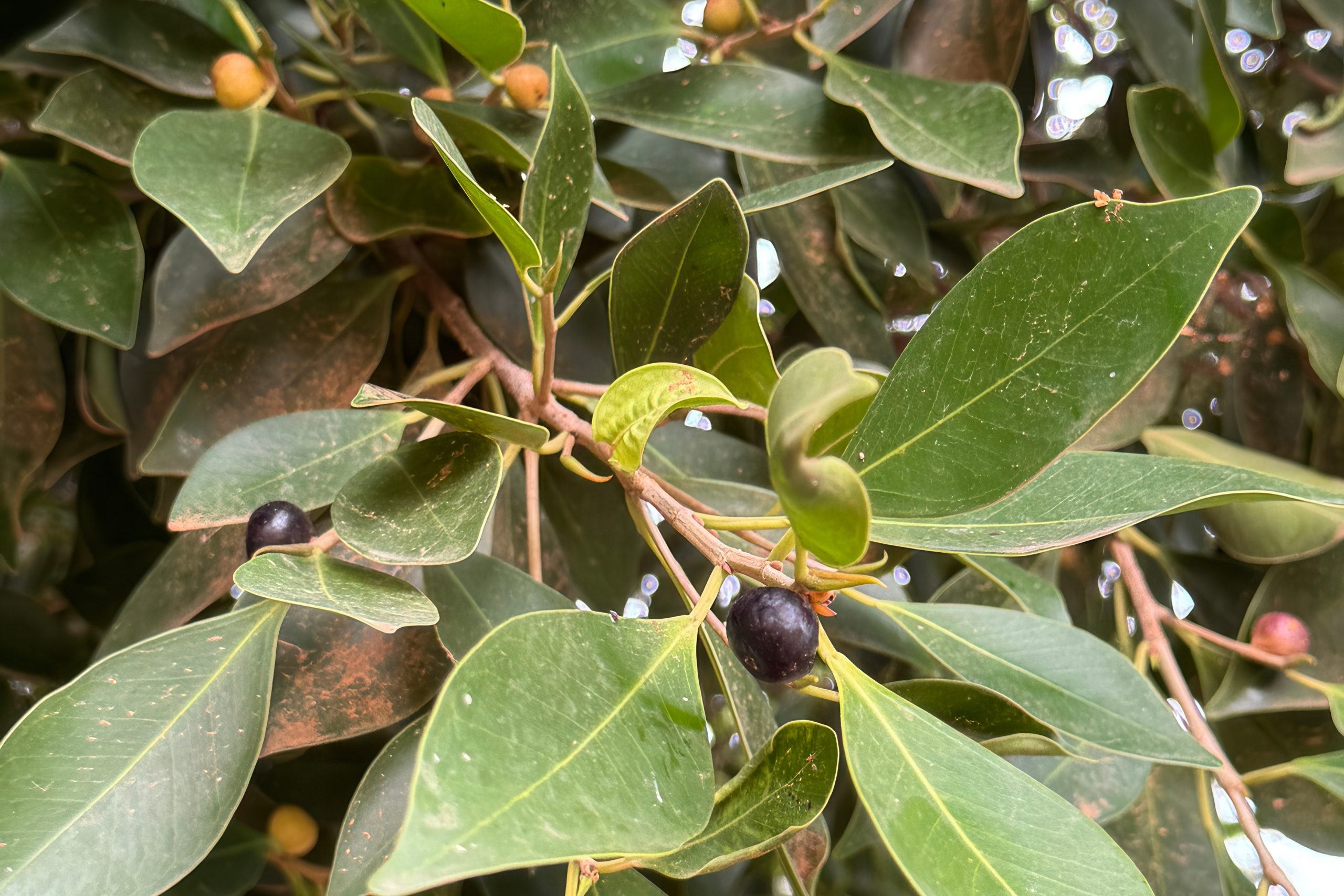
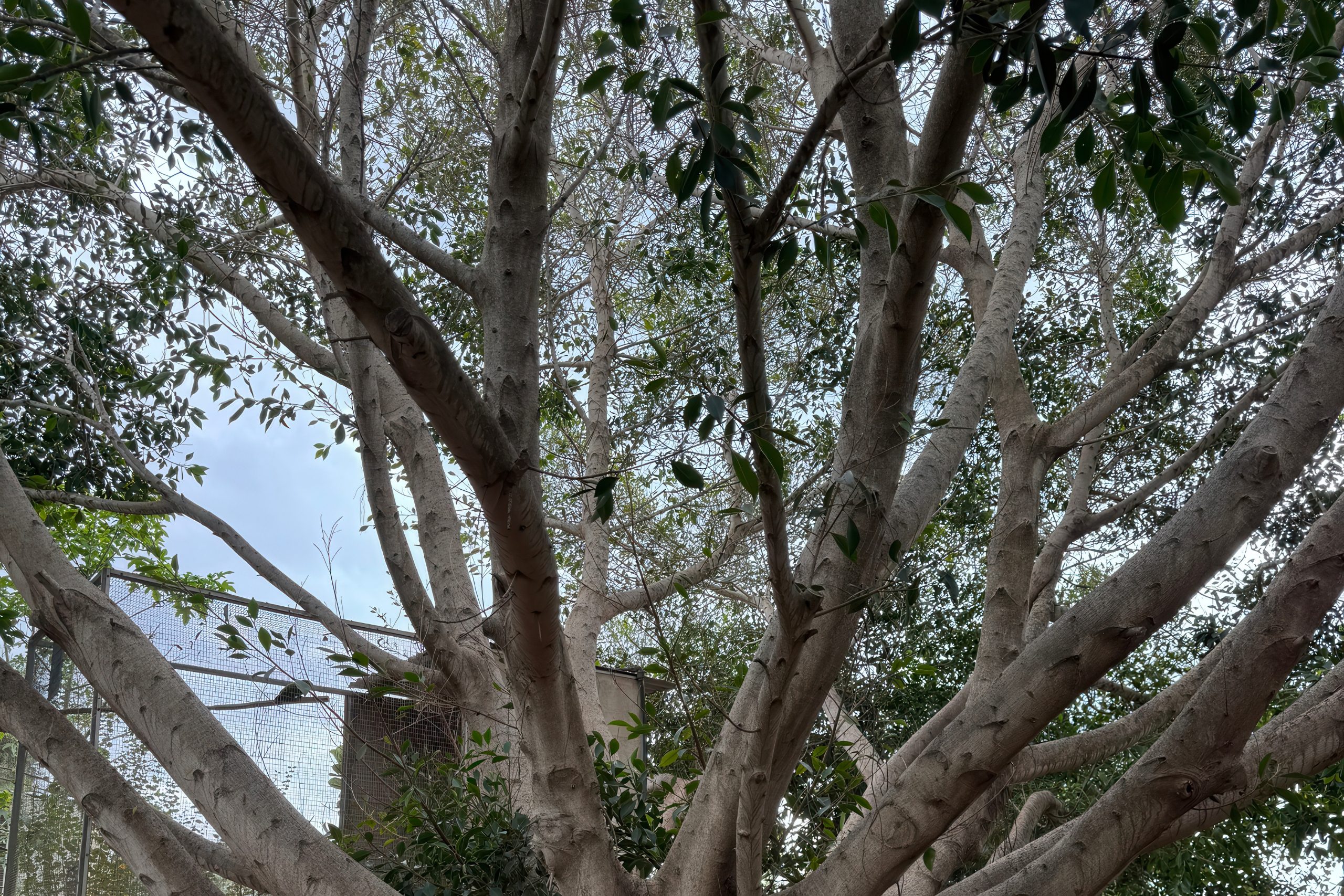
What catches the eye first are its glossy, dark-green leaves – oval and leathery, up to 12 cm long – forming a dense crown that can stretch 25 meters wide on mature trees. But the real magic lies in the aerial roots that drop from branches like natural ropes, sometimes reaching the ground to create pillar-like supports, giving the tree a wise, ancient look as if it’s hugging the earth. Small, pea-sized figs turn from green to blackish-red, hidden among the foliage, while the smooth bark adds to its elegant, sculptural form.
Surprising Secrets
- Those aerial roots aren’t just for show; in the wild, they help the tree “strangle” host plants by growing over them, though in Cyprus it behaves more politely in gardens.
- The latex sap can irritate skin, but in traditional Asian medicine, it’s used for treating warts, bruises, and even fever – a natural remedy from afar.
- Bonsai enthusiasts love it; dwarf varieties are shaped into miniature landscapes, symbolising longevity and resilience in Chinese culture, where some trees are passed down through generations.
- Birds and bats feast on the figs, spreading seeds far and wide – one reason it’s naturalised so easily, turning urban walls and cracks into unexpected green spots.
- Despite its name Ficus microcarpa, the “small fruits” are actually syconia, fig’s unique inside-out flowers that host tiny wasps for pollination – a clever partnership that ensures the tree’s survival.
- It can tolerate urban pollutants like sulfur dioxide and salt, making it a tough survivor in city environments – nature’s own air filter!
Digging Deeper
Part of the diverse Ficus genus, which dates back millions of years to the time of dinosaurs, this species thrives in warm, humid spots but adapts well to Cyprus’s Mediterranean climate. Its tiny figs are pollinated by a specific wasp, Eupristina verticillata, which was likely introduced alongside the tree. In Cyprus, it’s found mostly in urban areas and parks, with observations on iNaturalist showing it scattered along the southern coast and in cities like Nicosia and Limassol. Assessed as Least Concern by the IUCN, it faces no major threats globally, though in some introduced regions it can become invasive if not managed.
Shading Our Modern Days
In today’s Cyprus, with hotter summers challenging our green spaces, the Chinese banyan stands as a reliable urban ally, cooling parks and streets while supporting local birds and bees. It fits into modern landscaping efforts, providing year-round shade in a changing climate, and even appears in restoration projects as a hardy ornamental that complements native species without overwhelming them.
Seeking the Shade
You can experience the Chinese banyan in public parks like Athalassa in Nicosia or municipal gardens in Limassol and Paphos, where mature trees create cool, inviting spots. Sit beneath its broad canopy on a sunny day, feel the dappled light filter through the leaves, and watch for birds among the branches – it offers a peaceful, almost meditative escape, like resting under a living sculpture that whispers stories from afar.
A Branch to Our Heritage
In a land rich with ancient olives and carobs, the Chinese banyan reminds us that Cyprus’s wildlife is a beautiful blend of old roots and new arrivals. Knowing about it deepens our appreciation for the island’s living tapestry, where every tree tells a story of resilience and global connections worth cherishing – a green thread linking distant Asia to our sunny shores.