High on rocky hillsides where the Mediterranean sun bakes the earth, a sturdy, wide-crowned tree stands like an ancient sentinel. Its twisted trunk oozes fragrant resin, and in autumn its golden leaves and clusters of red-to-black fruits light up the landscape. Meet the wild pistachio, a true survivor and one of the quiet heroes of Cyprus’s native woodlands.
A Proud Member of the Cashew Family
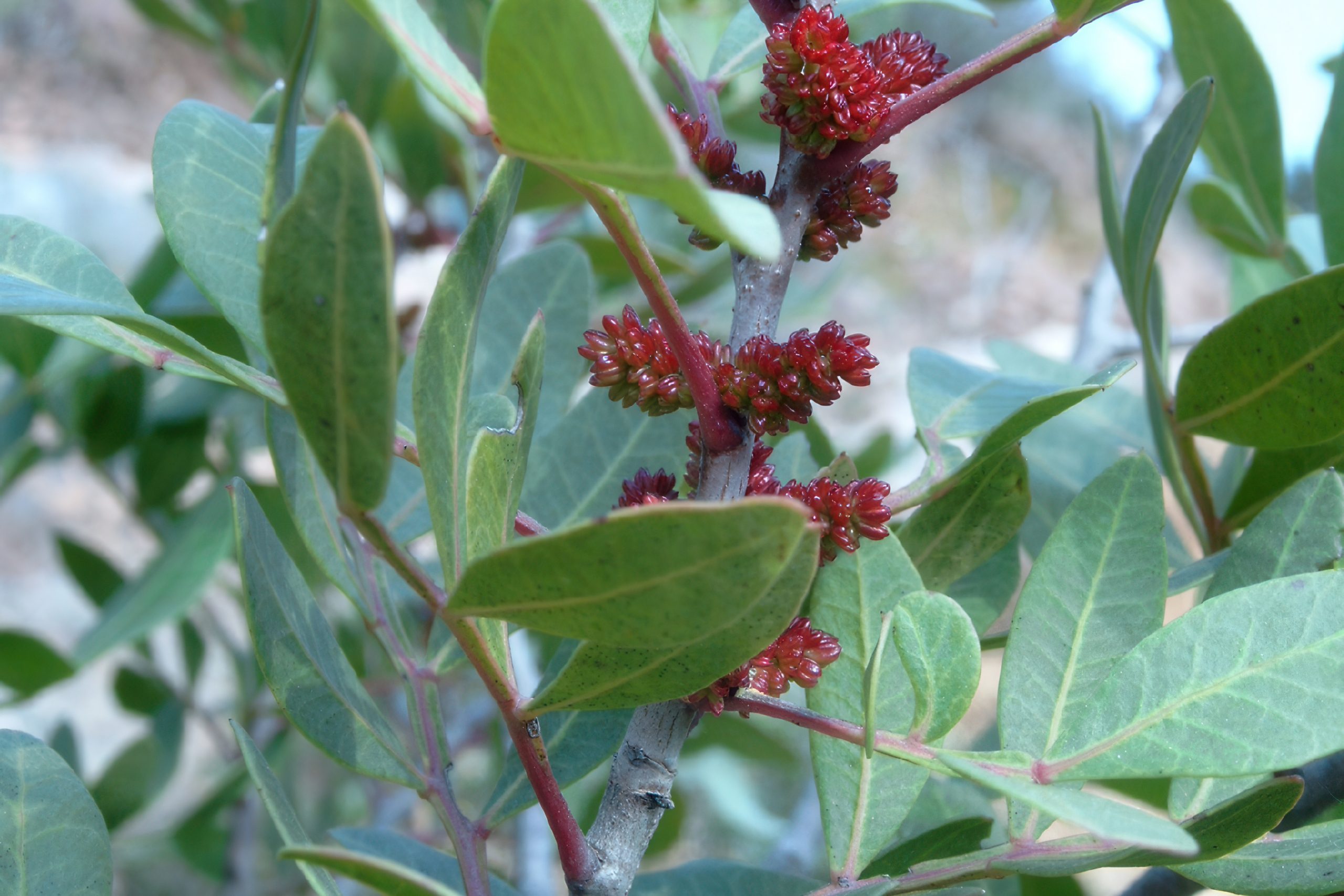
Scientifically known as Pistacia atlantica, this deciduous tree belongs to the genus Pistacia within the Anacardiaceae family – the cashew or sumac clan, which also includes the closely related mastic tree (Pistacia lentiscus), another iconic native of Cypriot maquis. Both species thrive in the island’s dry, rocky slopes and garigue, sharing the family’s trademark resin canals and compound leaves.
Ancient Roots in Cyprus Landscapes
Wild pistachios have been part of Cyprus since prehistoric times, forming part of the original maquis vegetation alongside carobs and olives. Ancient settlements like Tremithounta took their name from the tree (tremithos), and its resin called “Paphitiki pissa” or Cyprus turpentine was chewed as natural gum and traded across the Mediterranean.
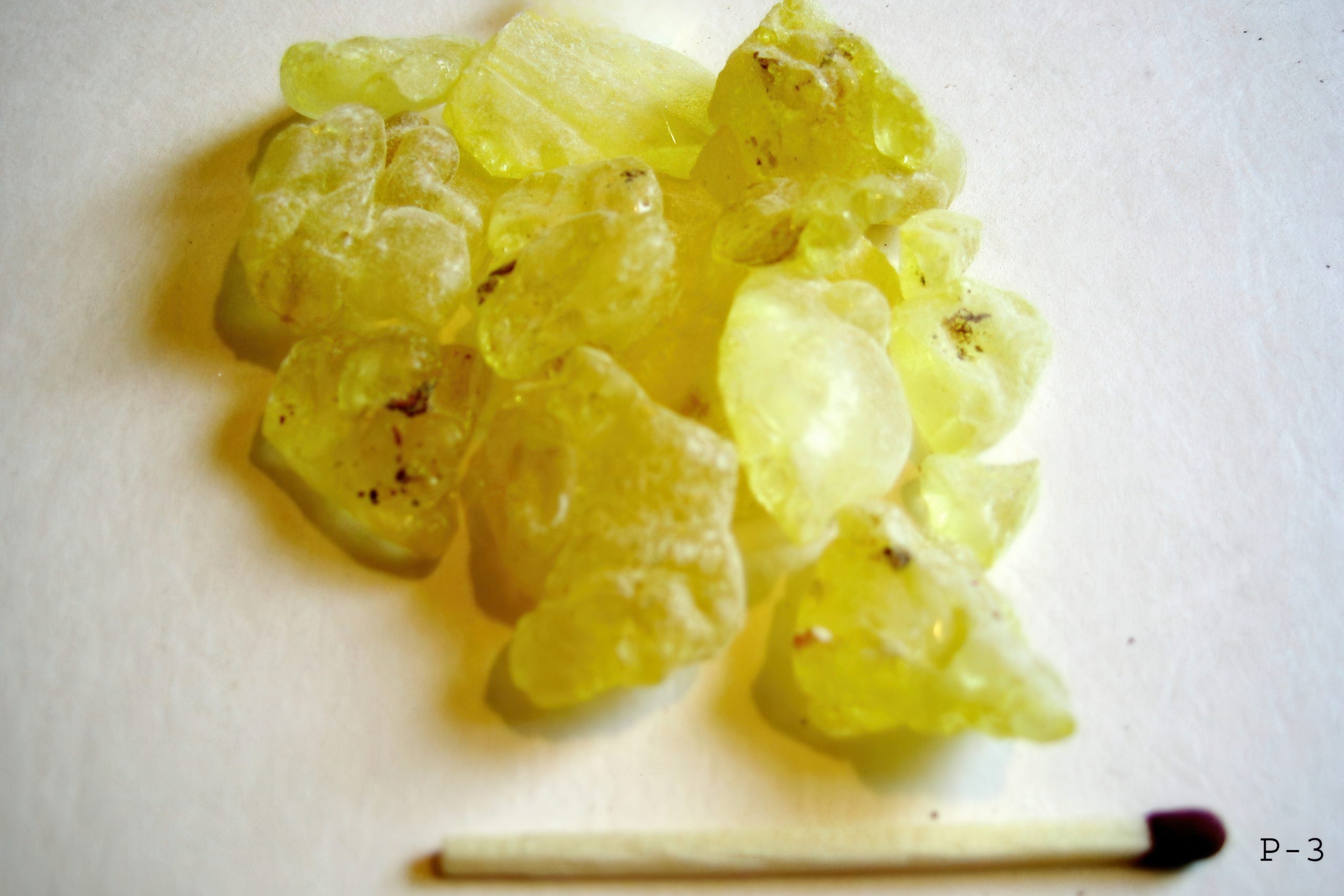
British foresters in the 19th century recorded it in degraded shrublands, while today one of the island’s oldest living trees, estimated at over 1,500 years, still shades a village square as a protected natural monument.
Distinctive Features That Define It
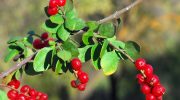
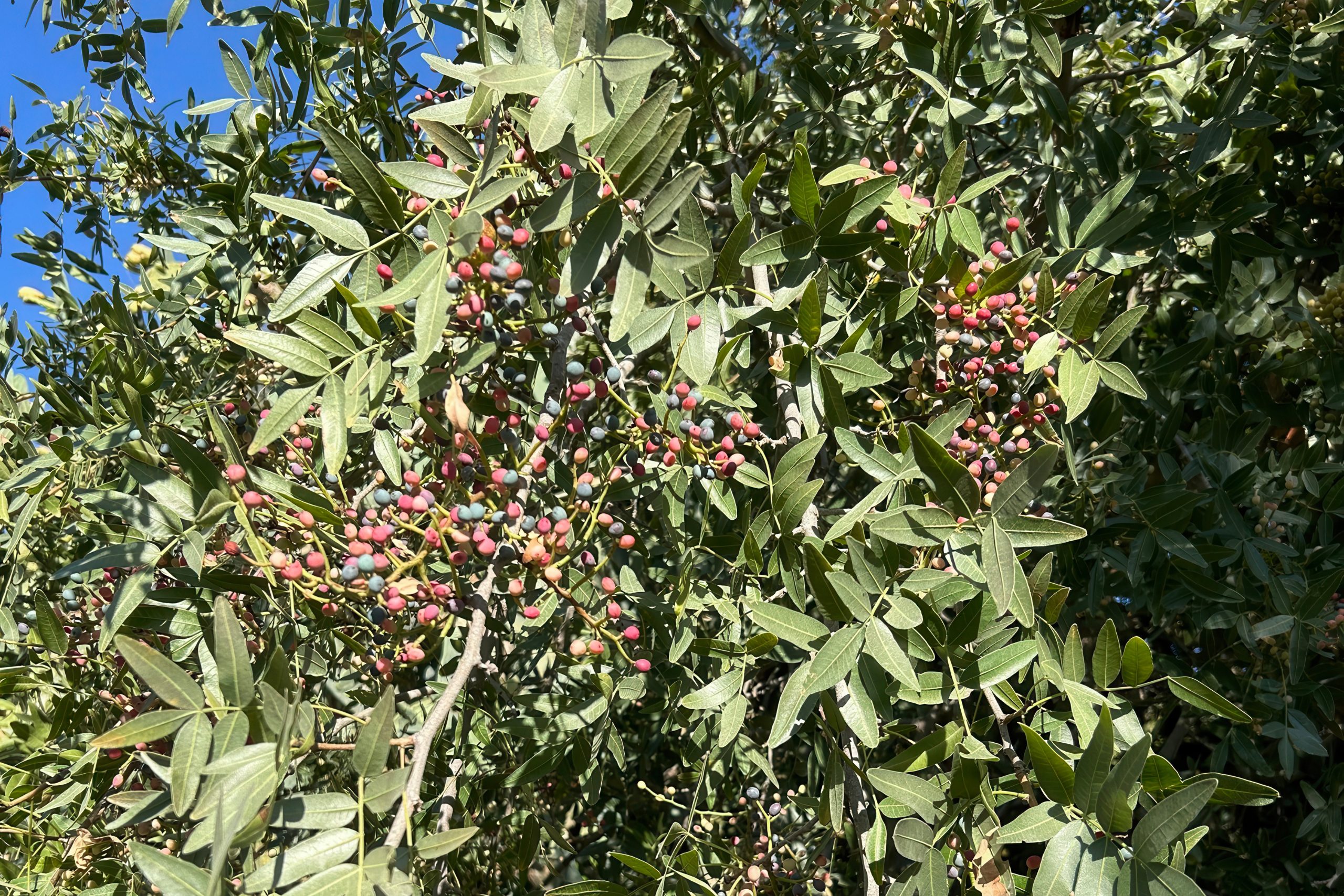
The wild pistachio can reach 15 metres with a broad, rounded crown and deeply furrowed bark that bleeds aromatic resin when scratched. Its bright-green, pinnate leaves turn vivid gold in autumn. Spring brings small, inconspicuous flowers; summer and autumn bring pea-sized fruits that ripen from bright red to dark purple-black, a feast for birds.
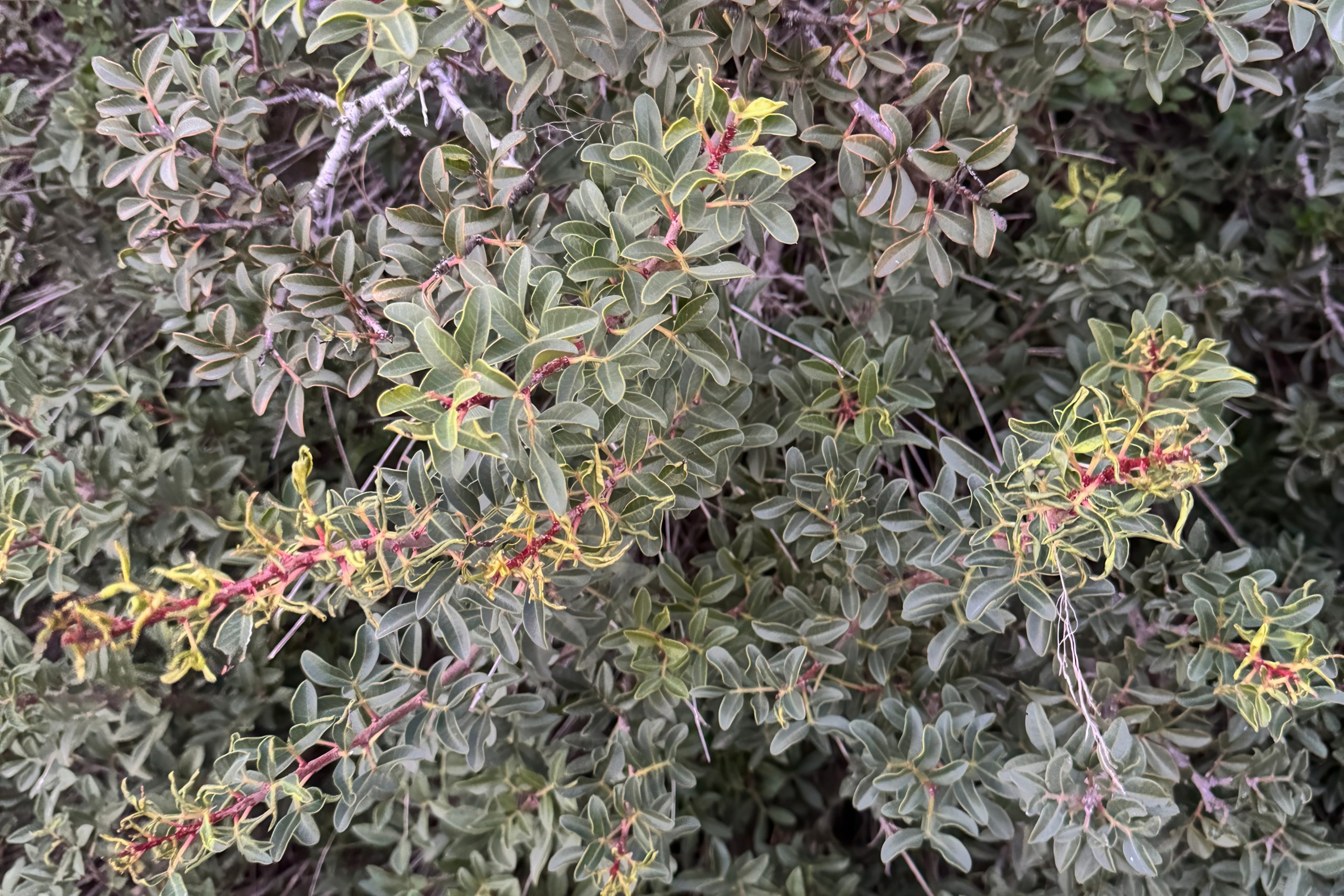
A close cousin, the mastic tree (Pistacia lentiscus or Σχίνος/schinos in Cypriot Greek), is evergreen, smaller (up to 4–8 m), with glossy leathery leaflets and red berries – equally tough and resinous, common in coastal maquis.
Five Delightful Tidbits
• Its resin was the original “chewing gum” of ancient Cyprus fragrant, chewable, and still remembered in village stories.
• The oldest known specimen in Cyprus stands in Apaisia village and is thought to be more than 1,500 years old.
• Both P. atlantica and its relative P. lentiscus are classified Least Concern by the IUCN, yet they face threats from overgrazing and habitat loss.
• The fruits are edible when ripe, and the wood makes superb charcoal.
• In Cypriot Greek it is Τρεμιθιά (Tremithia) or Ραμυθιά (Ramythia), echoing the ancient word for its sticky, sweet-smelling gifts.
Deeper Botanical and Ecological Layers
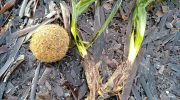
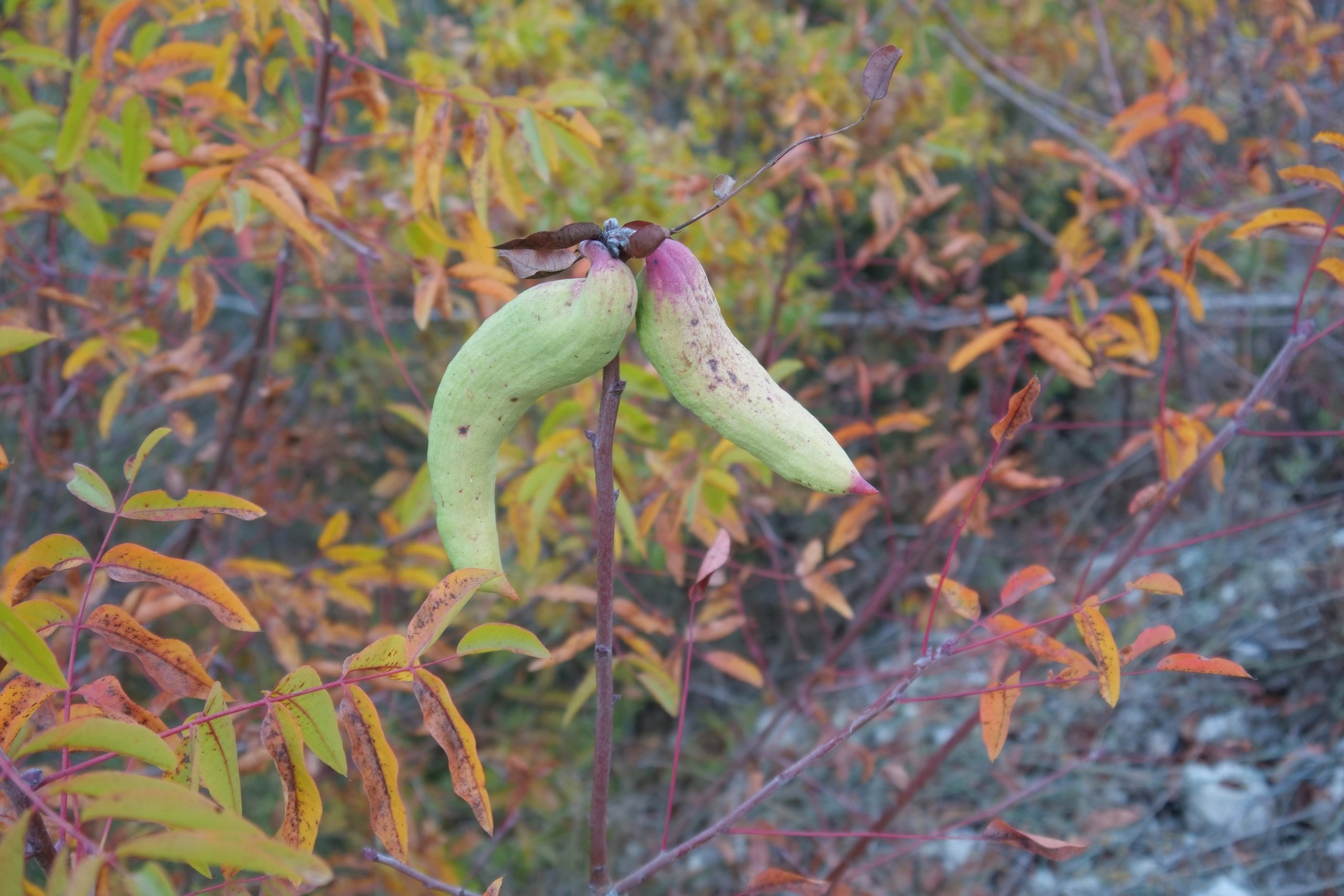
As a legume-like nitrogen-fixer in spirit (though in the cashew family), it helps stabilise poor soils. Most fascinating are the specialised aphids such as Slavum wertheimae and Baizongia pistaciae that induce distinctive galls on its leaves and branches. These galls, rich in tannins and with natural antimicrobial properties, create miniature protected worlds for the aphids and have been used historically for dyeing and tanning. The mastic tree shares similar resin chemistry, though its famous “mastic” resin is best known from Chios; in Cyprus both species support a web of insects, birds and traditional remedies.
Still Standing Strong in Cypriot Life
Today these trees symbolise resilience in a warming climate. They tolerate drought and poor soil far better than many plantations, prevent erosion in maquis habitats, and remind us why protecting native species matters. Their cultural value lives on in village traditions, while their galls and resin continue to intrigue scientists studying natural antimicrobials.
Finding and Experiencing Them
Visit the ancient giant in Apaisia village (south of Nicosia) for living history. Excellent spots include Akamas Peninsula trails, lower Troodos slopes, rocky hills around Paphos, and coastal maquis near the Karpas. Look for golden autumn foliage, red fruits, or tiny galls on leaves. Walk quietly under their shade, admire the resin droplets, and perhaps spot a mastic tree nearby with its evergreen gloss. Never damage bark or collect resin without permission – these are protected treasures.
In a world of fast-changing landscapes, the wild pistachio and its mastic cousin stand as patient guardians of Cyprus’s wild soul. They connect us to ancient forests, traditional crafts, and the island’s remarkable ability to thrive in tough Mediterranean conditions. Protecting them means safeguarding living heritage for every future walker who pauses beneath their branches under the same warm sun. Next time you crunch fallen leaves or catch a whiff of resin on the breeze, give thanks for the tremithia and schinos – two of Cyprus’s most generous and enduring wild gifts.