Sacred Landscape Representation in Cypriot art involved the use of motifs such as mountains, seas, fertility symbols, and celestial elements to express the island’s profound spiritual connection to nature. These designs went beyond mere decoration, reflecting a worldview where the environment was infused with divine energy, from turbulent waves to bountiful fields. This artistic approach evokes the island’s mystical essence, highlighting ancient perceptions of the natural world as a realm of sacred significance.
A World Expressed Through Art
Cypriot art portrayed the landscape as a narrative medium, where natural features conveyed deeper spiritual layers. Mountains symbolized strength and divine oversight, seas evoked origins and transformation, fertility motifs celebrated renewal, and celestial patterns linked earthly existence to cosmic forces. This method remained uncomplicated, emphasizing reverence for nature’s power and the island’s hallowed character.
Origins and Evolution
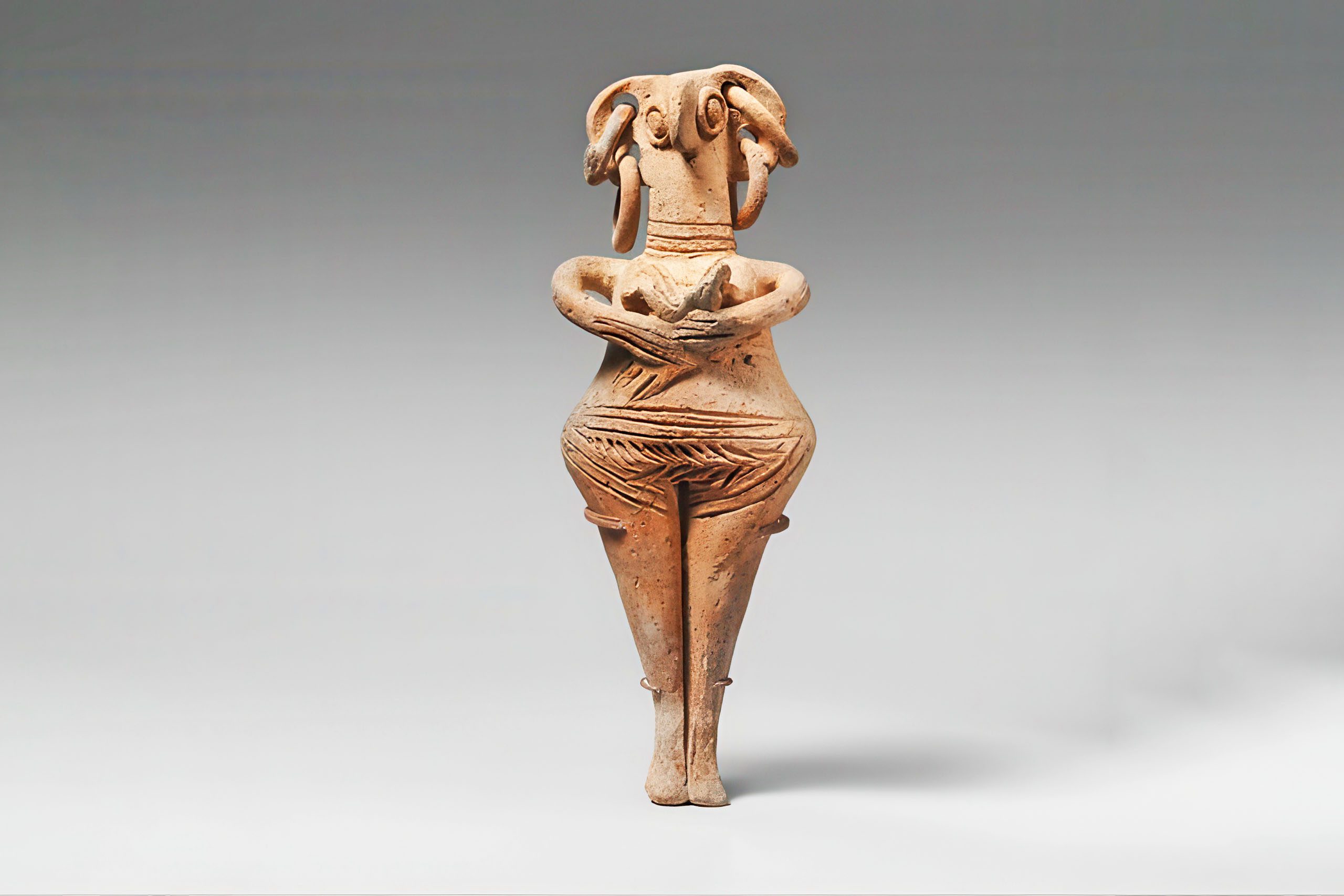
These motifs trace back to the Neolithic and Chalcolithic periods, from approximately 8000 to 2500 BC. Early inhabitants, reliant on farming and herding, incorporated elements reflecting survival and natural cycles into their works. Clay figurines emphasized fertility through wide hips, associating human life with the earth’s productivity.
The Bronze Age, beginning around 2500 BC, introduced trade influences from Egypt and Greece. Pottery designs featured wavy lines for seas, symbolizing Aphrodite’s emergence, while seals depicted mountains as guardians. Subsequent Greek and Roman periods adapted these symbols, maintaining ties to Cyprus’s terrains while integrating broader mythological elements.
Motifs Reflecting Natural Harmony
Mountains appeared as robust, angular forms in sculptures and pottery, denoting stability and divine abodes akin to the Troodos range. Seas manifested through undulating waves or shells, recalling creation myths and life’s beginnings, as seen in mosaics with aquatic journeys.
Fertility emerged in curved fruits, animals, or figures, honoring agricultural and familial growth. Celestial motifs, such as sun disks or star arrangements on adornments, connected celestial mysteries to terrestrial guidance, possibly aiding seasonal activities.
These elements intertwined to portray nature and spirit as unified, rendering art a symbolic chart of the island’s sanctity.
Notable Examples with Distinctive Elements
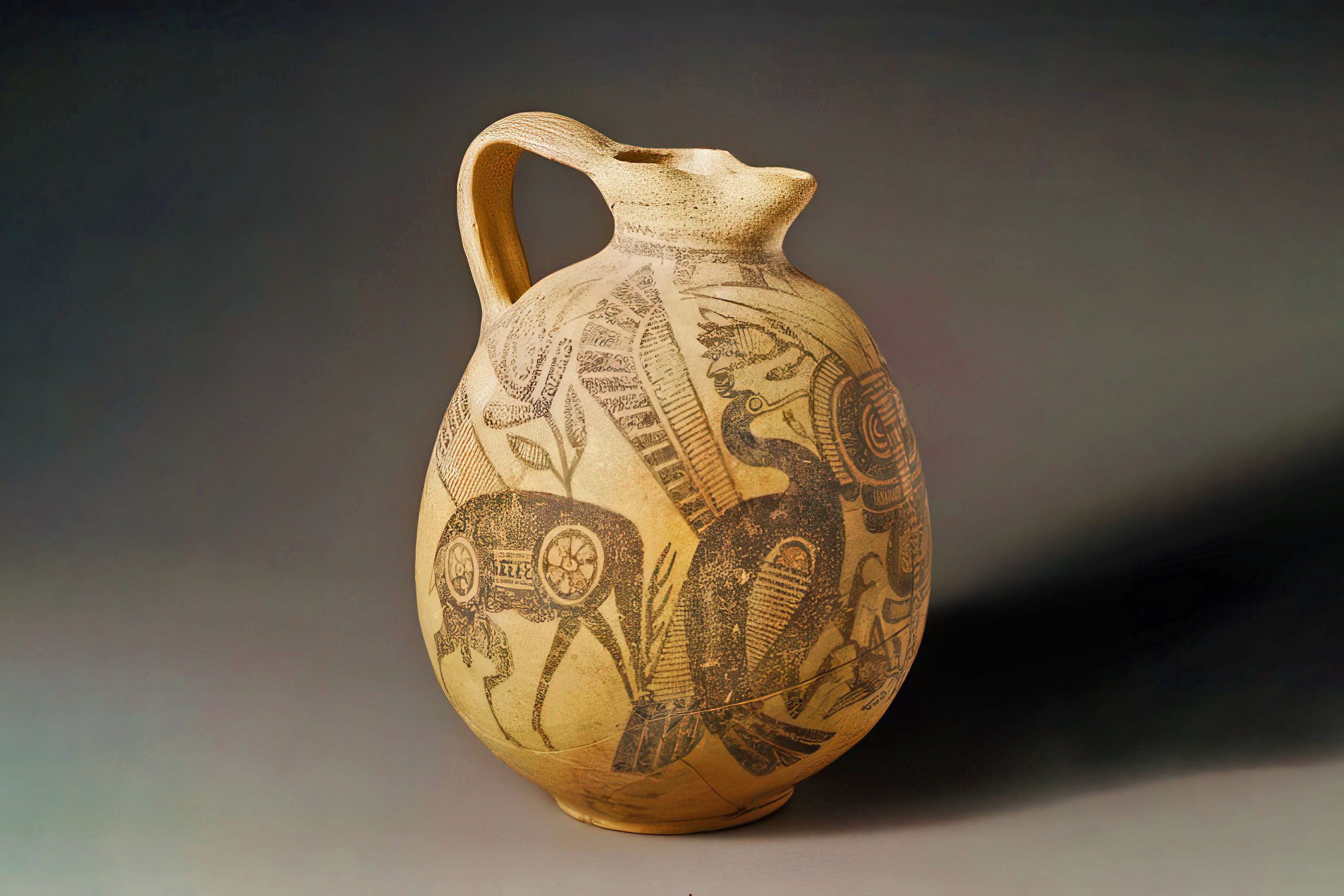
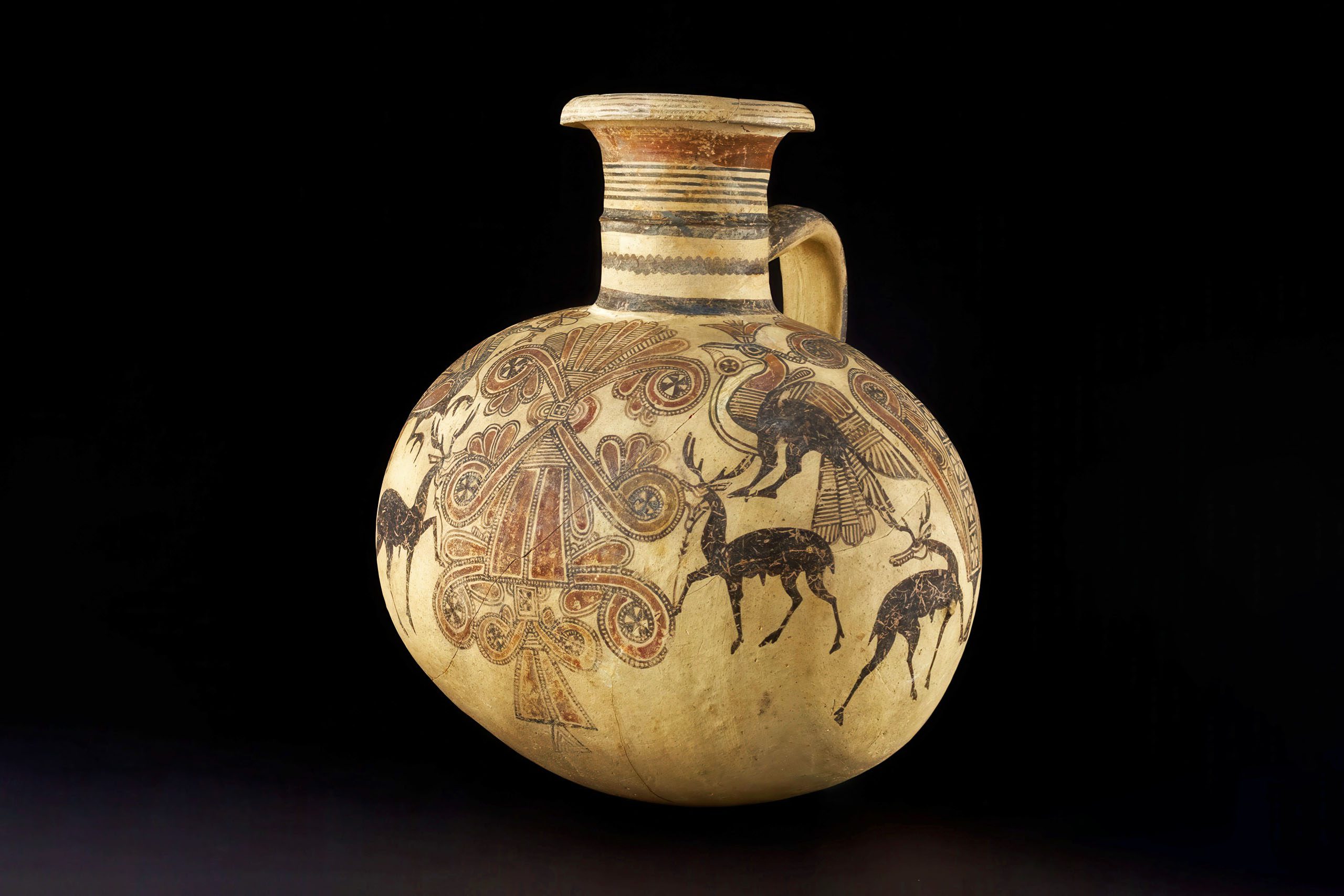
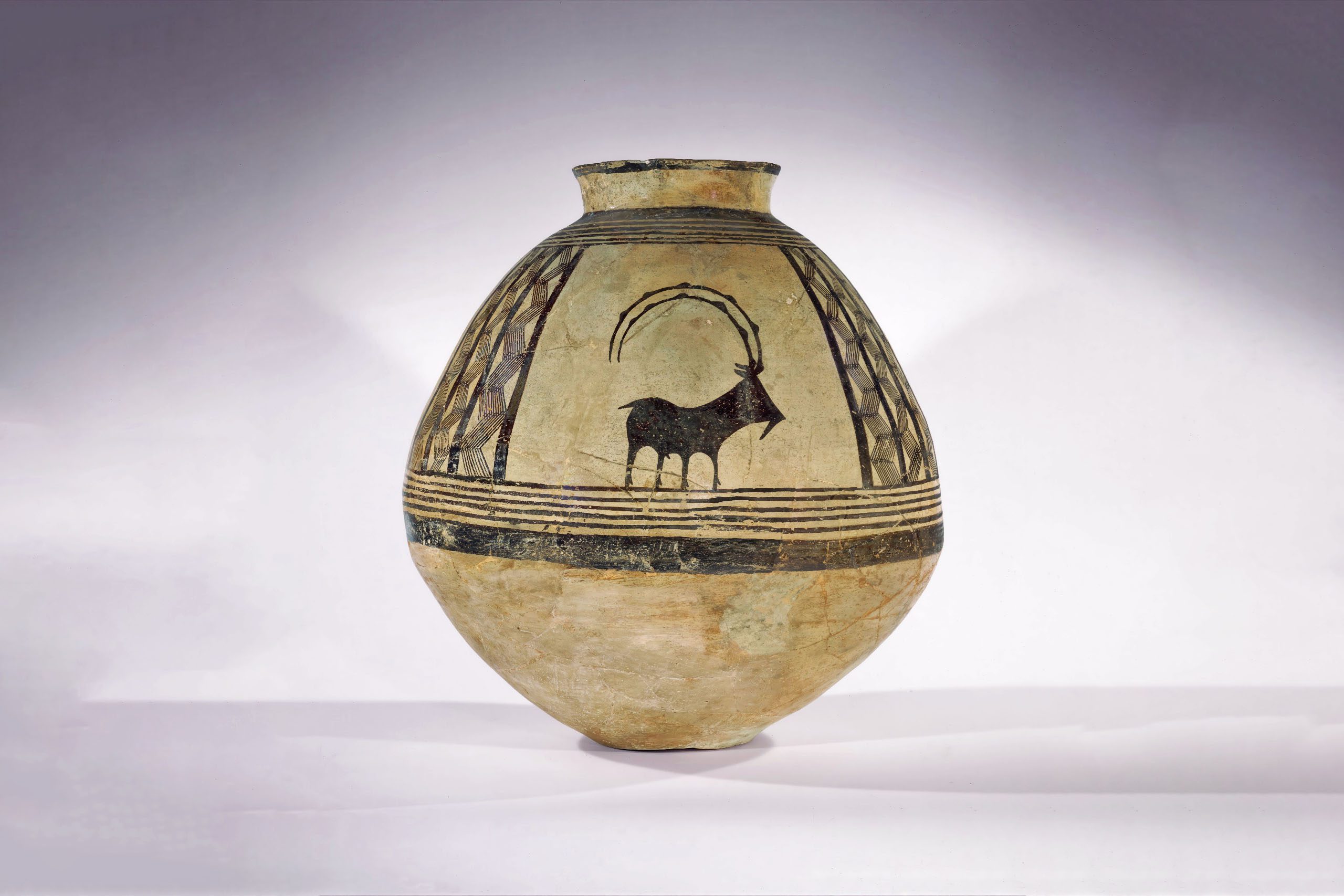
Certain Cypriot vessels from around 1000 BC combine sea waves with mountain goats, illustrating the intersection of land and ocean. A bronze stand from the 12th century BC features a tree of life – a fertility emblem – crowned with stars, merging terrestrial and celestial realms in one artifact.
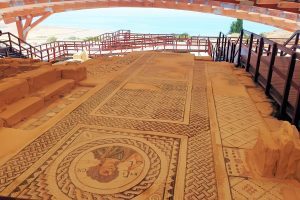
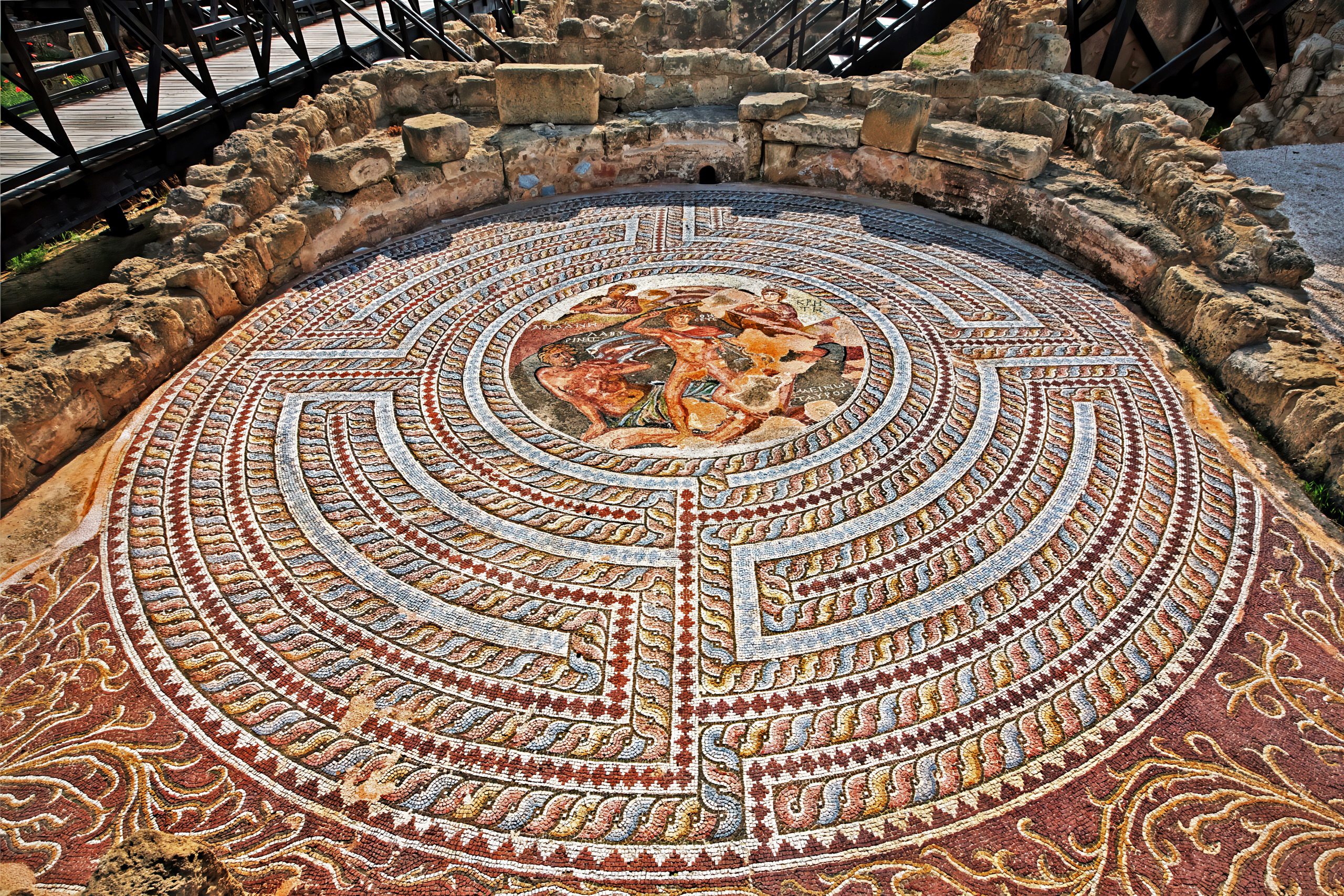
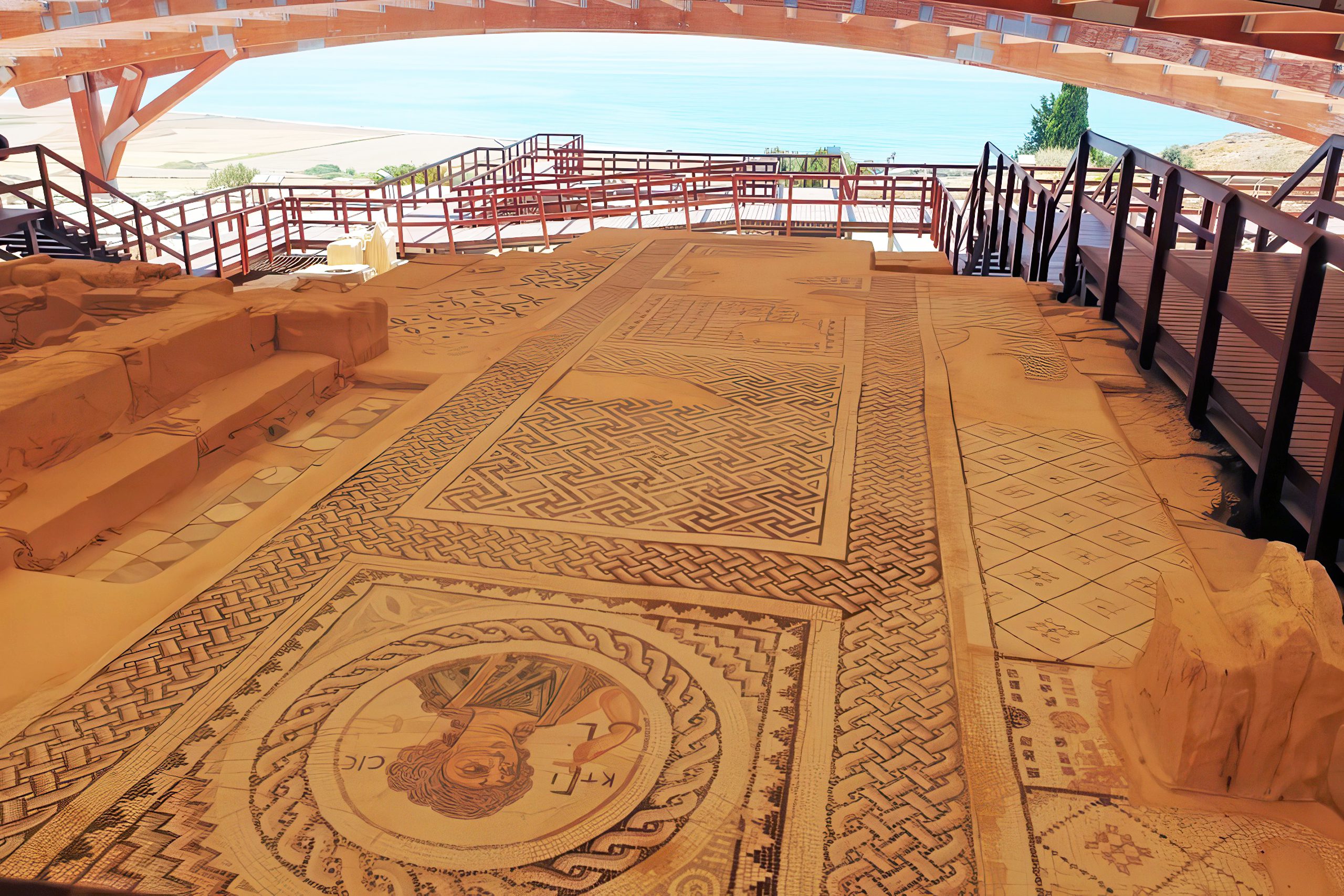
Roman mosaics at Paphos depict deities traversing seas against mountain horizons, resembling sequential mythic narratives. Fertility representations occasionally include celestial orbs, suggesting stellar influences on growth. Such details render the art engaging, embedding subtle insights from antiquity.
Symbolic Depth and Cultural Integration
Closer examination reveals profound concepts within these motifs. Mountains signified perpetual vigilance, as in terracotta works where deities oversee valleys from peaks.
Seas connected to rebirth, with shell designs recalling Aphrodite’s origin and blending aquatic flux with existence’s inception. Fertility icons like pomegranates or bulls aligned with agrarian rhythms, functioning as invocations for favorable conditions.
Celestial features, such as lunar crescents on protective items, alluded to temporal cycles, supporting agricultural and ceremonial timing.
This amalgamation stemmed from Cyprus’s trade position, incorporating Egyptian lotuses for fertility and Greek stars for destiny, yielding distinctive hybrids that venerated the island’s natural and spiritual harmony.
Contemporary Resonance in Cyprus
These ancient motifs maintain relevance in modern Cypriot contexts, influencing artistic and cultural expressions. Contemporary creators incorporate wave designs in jewelry or mountain forms in murals, preserving a sense of sacred continuity.
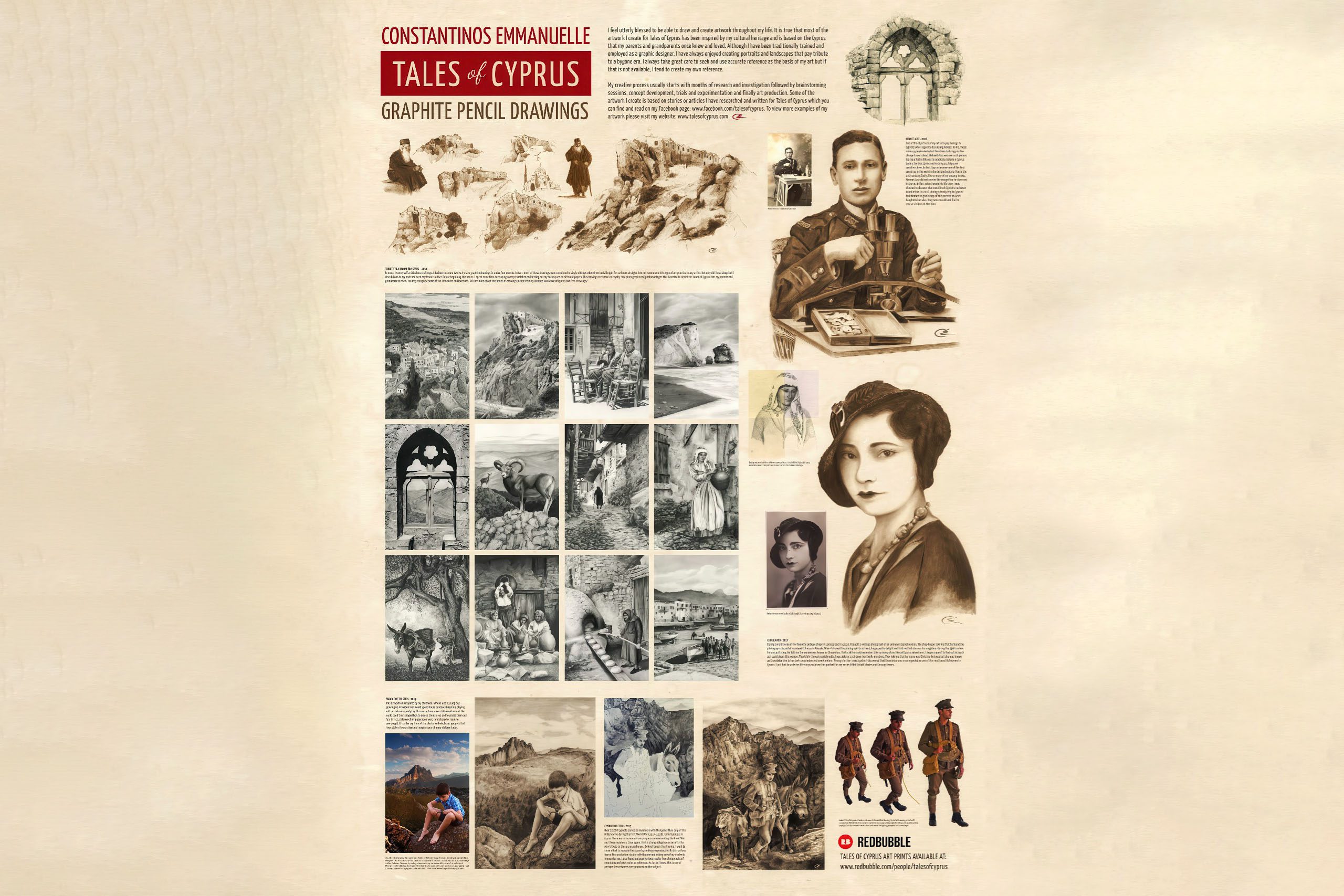
Amid tourism growth and environmental shifts, eco-art initiatives employ fertility symbols to advocate sustainable farming practices. Festivals integrate traditional motifs into dances and decorations, bridging past spirituality with current communal identity.
This enduring presence underscores a continued appreciation for nature’s role, fostering connections to the land’s spirit in daily experiences.
Opportunities for Exploration
The Cyprus Museum in Nicosia houses pottery and figurines displaying seas and fertility motifs, with guided options available for contextual insights. Paphos mosaics present celestial and mountain scenes accessible through park visits.
Beaches near Aphrodite’s Rock offer settings where sea motifs align with natural surroundings. Guided tours highlight narratives behind the art, providing structured ways to engage with these elements.
A Lasting Tie to the Land
Sacred landscape representation in Cypriot art demonstrates how natural motifs conveyed a holistic spiritual bond with the environment.
Elements like mountains for resilience, seas for origins, fertility for vitality, and stars for direction encapsulate the island’s essence as a domain where spirit and nature converge.
This legacy enriches perceptions of Cyprus, illustrating profound insights derived from straightforward designs. Engagement with a motif-laden artifact or landscape evokes appreciation for nature’s subtle influence.