Wander along a bustling coastal promenade in Limassol or through a quiet park in Nicosia, and you might spot these towering fan-shaped trees swaying gently in the breeze. These are the Washingtonia palms of Cyprus – elegant imports from distant deserts that have become familiar landmarks across the island. But how did these American natives find a home in our Mediterranean paradise?
A Palm for Dry Lands
Washingtonia belongs to the vast palm family, Arecaceae, which includes over 2,500 species worldwide, from the date palms we know so well to the coconut trees of tropical shores. In simple terms, it’s a type of fan palm, known for its wide, spreading leaves that look like giant hands fanning the air. Here in Cyprus, we mainly see two varieties: the sturdy Washingtonia filifera and its slimmer cousin, Washingtonia robusta, along with their natural hybrid blends.
From Desert Oases to Island Avenues
These palms hail from the hot, dry deserts of southwestern America and northwestern Mexico, where they’ve thrived for thousands of years around precious water sources. Named in 1879 after George Washington, the first U.S. president, they caught the eye of European botanists in the 19th century and were soon shipped across the seas as ornamental wonders. In Cyprus, they likely arrived during the British colonial era around the early 1900s, planted to add grandeur to towns and combat the island’s growing urban heat – much like the eucalypts and acacias that came before them.
Towering Grace with a Fanfare
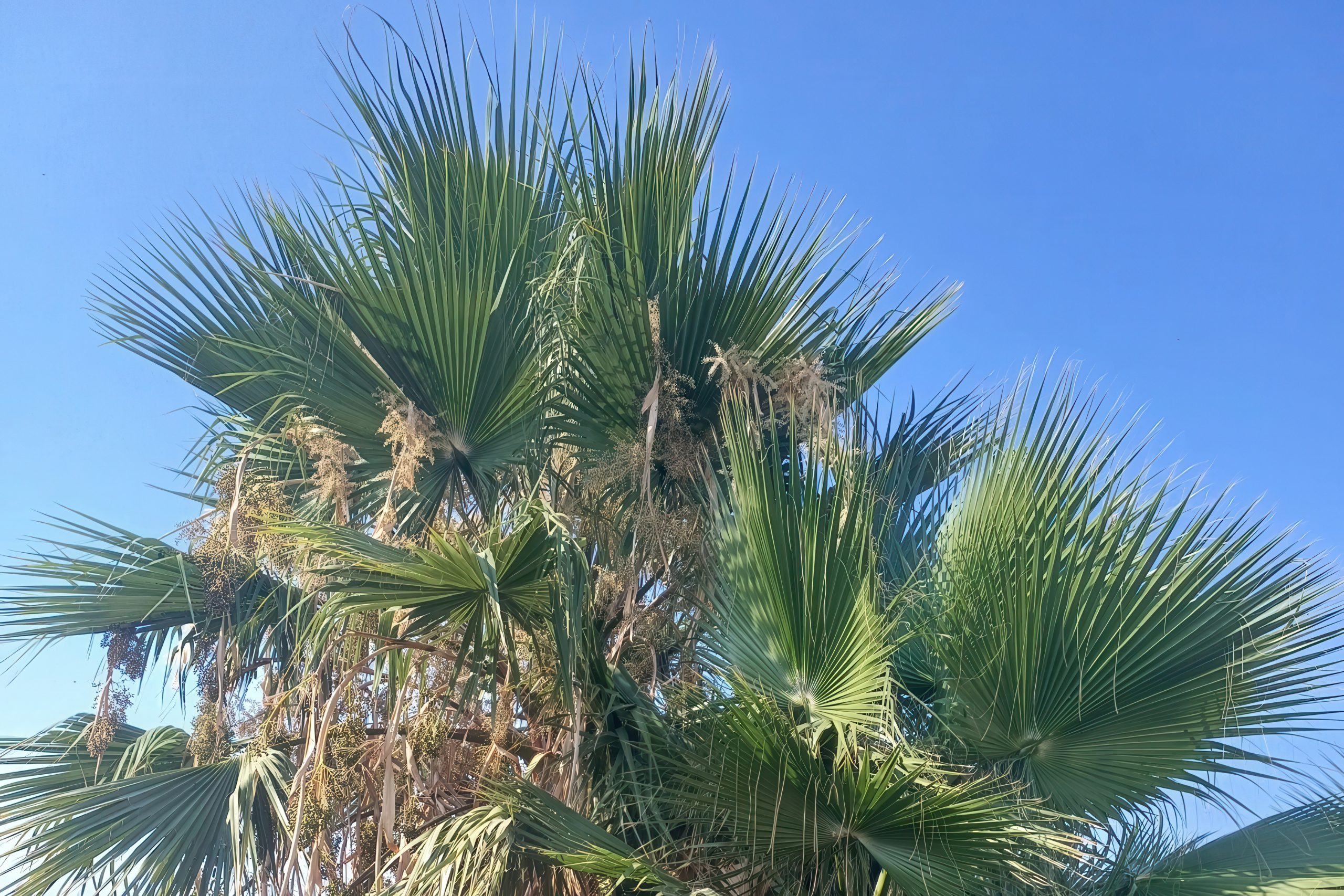
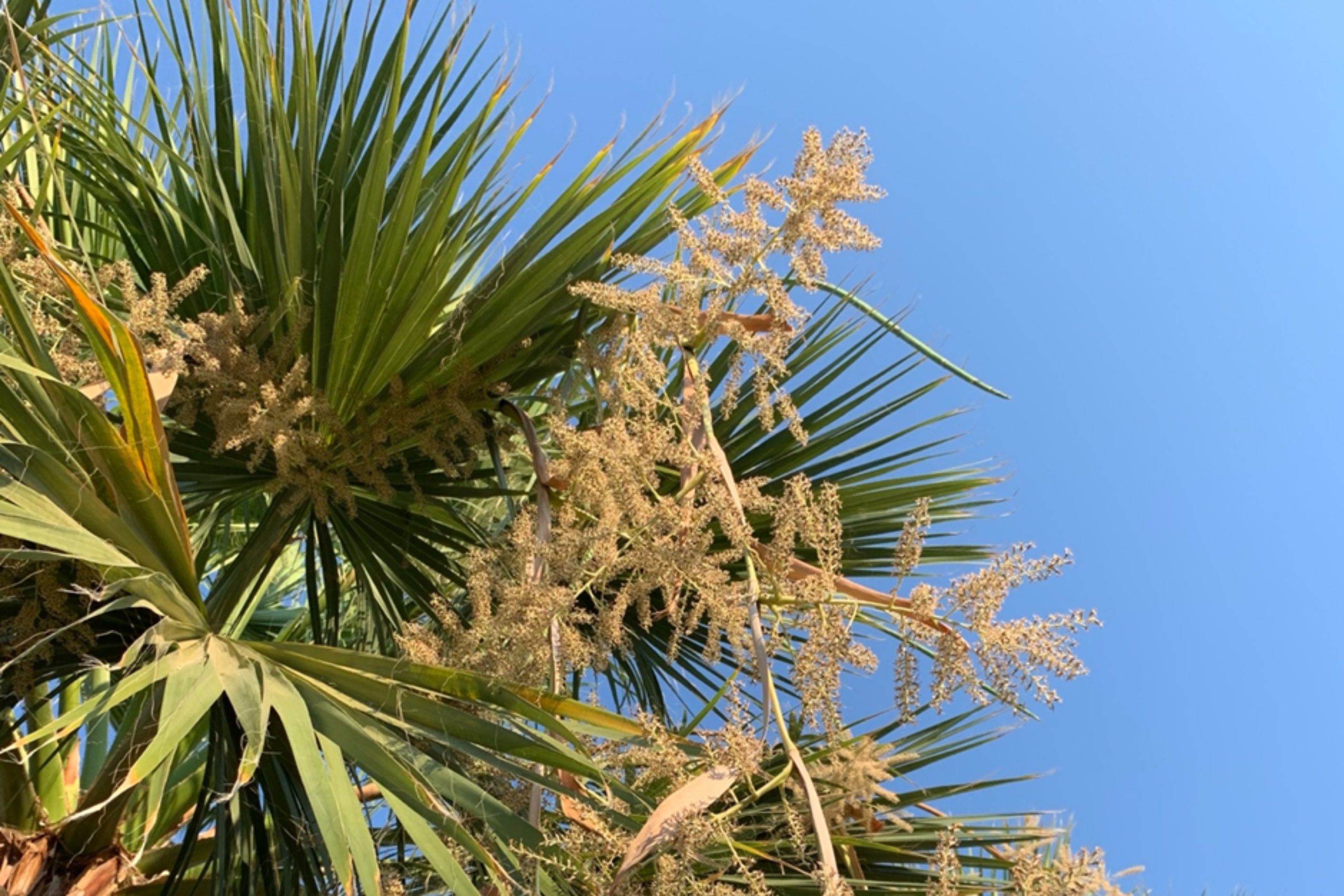
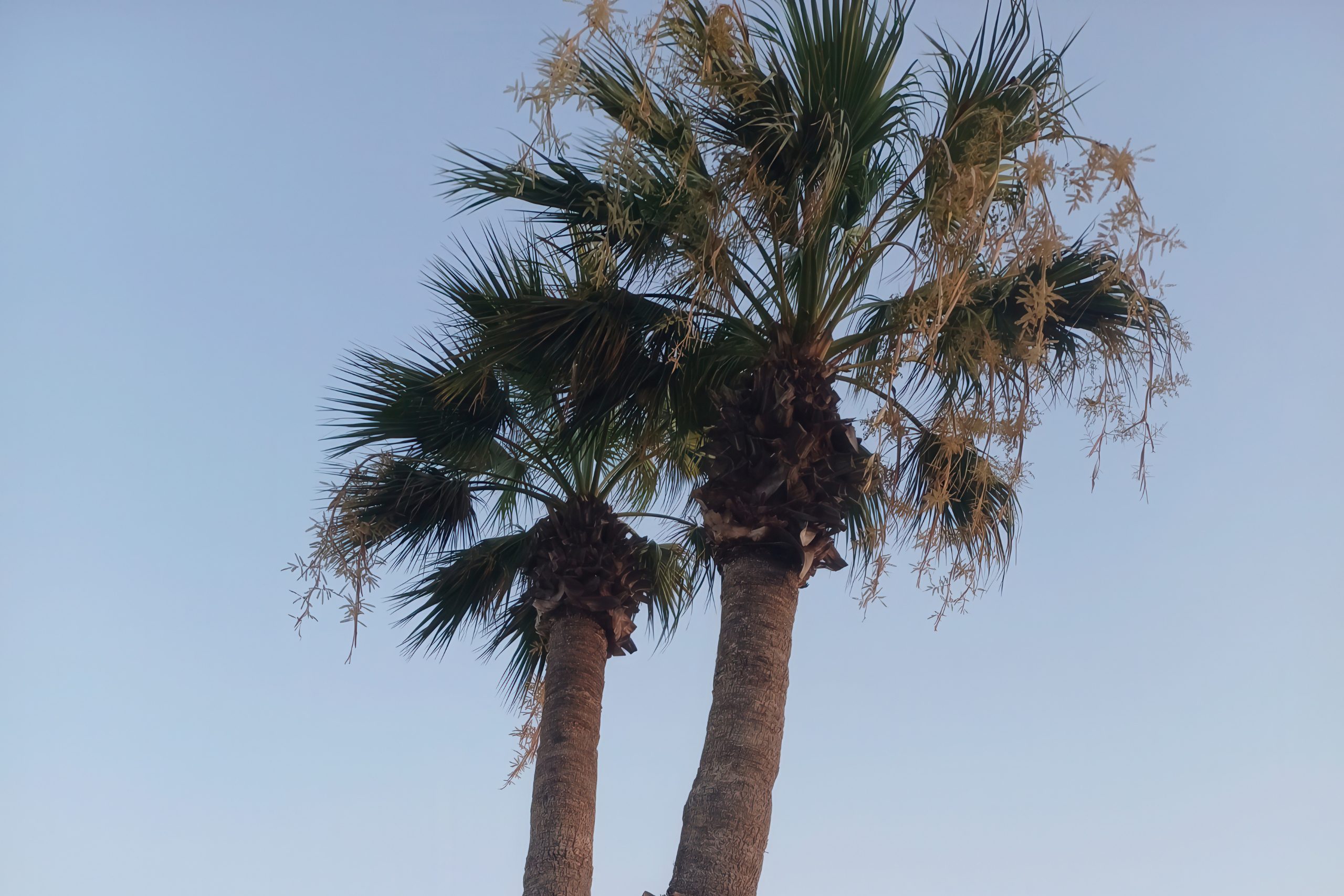
Picture a straight, slender trunk rising up to 20 meters or more, covered in a shaggy skirt of old, dried leaves that hang like a rustic petticoat. At the top bursts a crown of large, fan-shaped leaves, each one split into long segments with fine, thread-like fibers dangling from the edges – that’s where the name “filifera” comes from, meaning “thread-bearing” in Latin. In spring, clusters of creamy-white flowers appear, followed by small, blackish fruits that dangle like tiny ornaments, adding a touch of wilderness to their stately form.
Palm-Sized Wonders
- These palms can shoot up three meters in a single year when young, making them nature’s quick-fix for shade.
- In their native deserts, the hanging dead leaves create cozy homes for birds and bats, and even help protect the trunk from wildfires.
- The fruits are edible, with a sweet, date-like flavor – Native Americans once ground them into flour for cakes.
- Locally, they’re called Ουασιγκτώνια (Ouasingktónia), simply echoing the scientific name in honor of George Washington, though some folks just say “American palm” for its far-flung origins.
- One tree can live over 200 years, standing tall through generations like silent guardians.
Diving a Bit Deeper
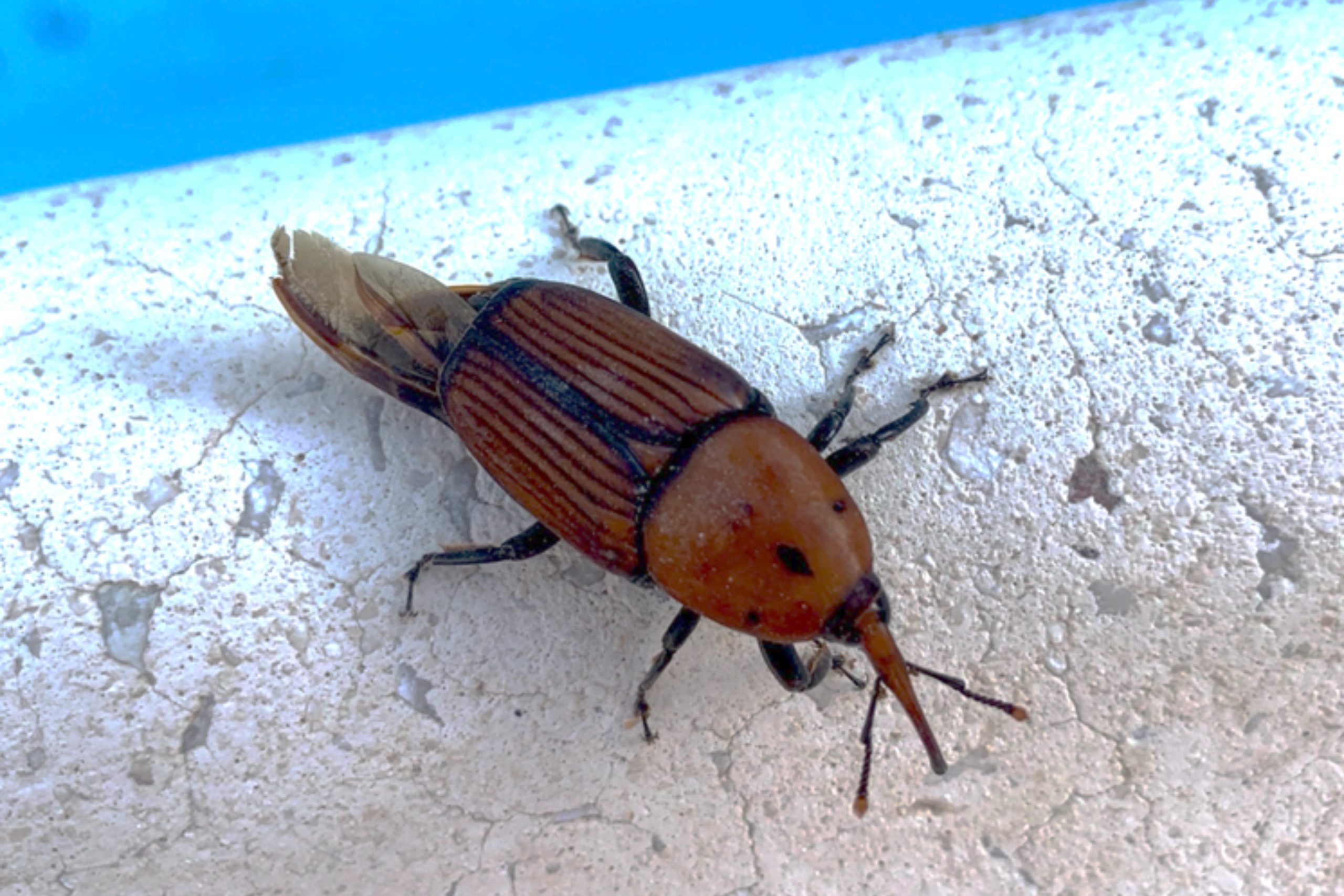
Botanically, Washingtonia palms are masters of survival in arid spots, with deep roots that seek out underground water and leaves that minimize evaporation in the scorching sun. In Cyprus, both the filifera (with its thicker trunk and longer threads) and robusta (taller and more slender) are grown, often mixing to create hardy hybrids. Like many palms worldwide, they must contend with the invasive red palm weevil (Rhynchophorus ferrugineus). First detected in Cyprus in 2006, this beetle’s larvae tunnel into the trunks of Washingtonia and other palms, potentially weakening or killing the trees. Cypriot gardeners and authorities use pheromone traps, regular inspections and prompt removal of infested material to protect these graceful giants and preserve the island’s iconic palm-lined avenues.
According to the IUCN, the species as a whole is of Least Concern, though some wild populations in America face threats from habitat loss – luckily, their cultivated life here keeps them thriving without worry.
Shading Modern Cyprus
Today, these palms are woven into the fabric of Cypriot life, lining avenues, shading playgrounds, and gracing hotel gardens as part of our push for greener cities amid climate challenges. Washingtonia plays a significant role in urban areas, offering quick shade and a touch of exotic flair that helps combat summer heatwaves. They’re a reminder of how introduced species can enhance our landscapes when managed thoughtfully.
Spotting the Sky Scrapers
Head to the coastal paths of Limassol or the green spaces of Athalassa Park in Nicosia, where rows of these palms create inviting tunnels of shade. Stand beneath one on a hot day and feel the cool breeze rustling through the fans, or listen to the gentle clatter of drying leaves – it’s like a whisper from the desert right in the heart of the island. Many are accessible in public areas, offering a peaceful spot for a picnic or a moment of reflection.
A Thread Connecting Worlds
Though they journeyed from American deserts, the Washingtonia palms have earned their place in Cyprus’s diverse plant tapestry, blending global stories with our local sunshine. They teach us about resilience in dry times and the beauty of sharing nature’s gifts across oceans – adding a tall, graceful chapter to the island’s ever-evolving green heritage.