Explore Cyprus with Our Interactive Map

Explore our top stories and discover ideas worth your time.

Cyprus Holy Site Pilgrimages

Cyprus Holy Site Pilgrimages

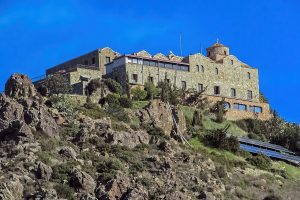
Cyprus has been a destination for religious pilgrims for over 1,700 years. The island holds a unique place in Christian history as one of the first regions to embrace Christianity and the first territory in the world to have a Christian ruler. Dozens of monasteries, churches, and holy sites dot the landscape from the coastal cities to the mountain peaks. kiprguru-com These locations preserve relics, icons, and traditions that connect believers to the earliest days of the faith. Pilgrims from around the Orthodox world, as well as from Catholic and other Christian communities, journey to Cyprus to experience these sacred places. Religious tourism in Cyprus combines spiritual devotion with remarkable natural beauty. Pilgrimage sites exist in diverse settings, from ancient coastal cities to remote mountain monasteries accessible only by winding roads. Visitors encounter Byzantine frescoes, miracle-working icons, holy relics, and architecture spanning centuries. The experience offers both worship and cultural education, as these sites preserve artistic and historical treasures alongside their religious significance. Whether visiting for personal faith, scholarly interest, or simple curiosity, travelers find that Cyprus's holy sites reveal much about the development of Eastern Christianity. Historical Background The tradition of Christian pilgrimage to Cyprus began with the island's conversion in the first century. Around 45 AD, the apostles Paul and Barnabas arrived at Salamis on the eastern coast.…

Read more

Brachychiton (Bottletrees)

Brachychiton (Bottletrees)

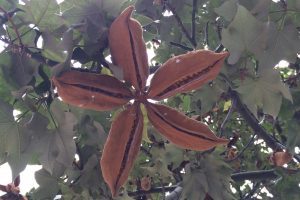
Imagine strolling through a sunlit park in Limassol or Nicosia when suddenly a tree bursts into vivid scarlet flowers, turning the branches into a living flame against the blue sky. These are the Brachychiton trees — Australian visitors that add a splash of dramatic color to our island's gardens and streets, whispering tales of distant lands. Konstantin-Solovev Bottle-Shaped Beauties Brachychiton trees are part of the vast Malvaceae family, the same group that gives us cotton, hibiscus, and cacao – plants known for their showy flowers and useful fibers. In Cyprus, they are tall, sturdy trees often grown for their striking looks and shade, fitting right into our warm, dry climate like old friends from afar. From Australian Bush to Cypriot Shores These trees first took root in the wild bushlands of Australia millions of years ago, evolving alongside kangaroos and koalas in a continent shaped by ancient isolation. They arrived in Cyprus during the British colonial era around the early 20th century, planted as hardy ornamentals to beautify towns and provide quick-growing shade, much like the eucalypts that came before them. Today, they stand as quiet reminders of how human wanderings have blended the world's green treasures. Konstantin-Solovev Swollen Trunks and Scarlet Spectacles What makes Brachychiton stand out is their bottle-shaped trunks, swollen at the base like natural water tanks…

Read more
Best Villages to Visit in Cyprus

Best Villages to Visit in Cyprus

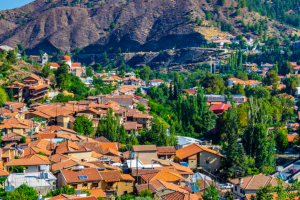
Cyprus villages offer something that coastal resorts cannot provide: the authentic rhythm of island life unchanged over centuries. Stone houses, narrow cobbled streets, old churches, local tavernas, and village squares where elderly men sip coffee define these settlements. Most sit within the Troodos mountain range or on its foothills, where cooler temperatures and fertile land shaped communities for millennia. Shutterstock-com Unlike sanitized tourist attractions, these villages remain lived in places where generations of the same families have stayed. Each settlement carries its own character, from lace making Lefkara to wine country Omodos to the perfectly preserved ghost village of Fikardou. A visit to even one of these places reveals more about Cyprus than a week spent on any beach. Lefkara and the lace that reached Leonardo da Vinci Lefkara divides into upper Lefkara and lower Lefkara, both offering stone architecture and peaceful streets on the southern slopes of the Troodos Mountains. The name combines the Greek words lefka meaning white and ori meaning hills. The village is internationally famous for lefkaritika, intricate handmade lace with patterns inspired by nature and environment. Local women sit outside their homes working these patterns using techniques passed through generations, a sight that has remained unchanged for centuries. Shutterstock-com Historical accounts claim Leonardo da Vinci visited Lefkara in 1481 to purchase a tablecloth for Milan…

Read more