On gentle slopes near the medieval abbey of Bellapais in the Turkish-occupied part of Cyprus sits an extensive Bronze Age cemetery known to the world almost exclusively through its dead. The Vounous necropolis contains 164 rock-cut chamber tombs that served an unknown settlement for nearly five centuries, from approximately 2500 to 2000 BCE, preserving one of the finest collections of prehistoric pottery ever discovered on the island.
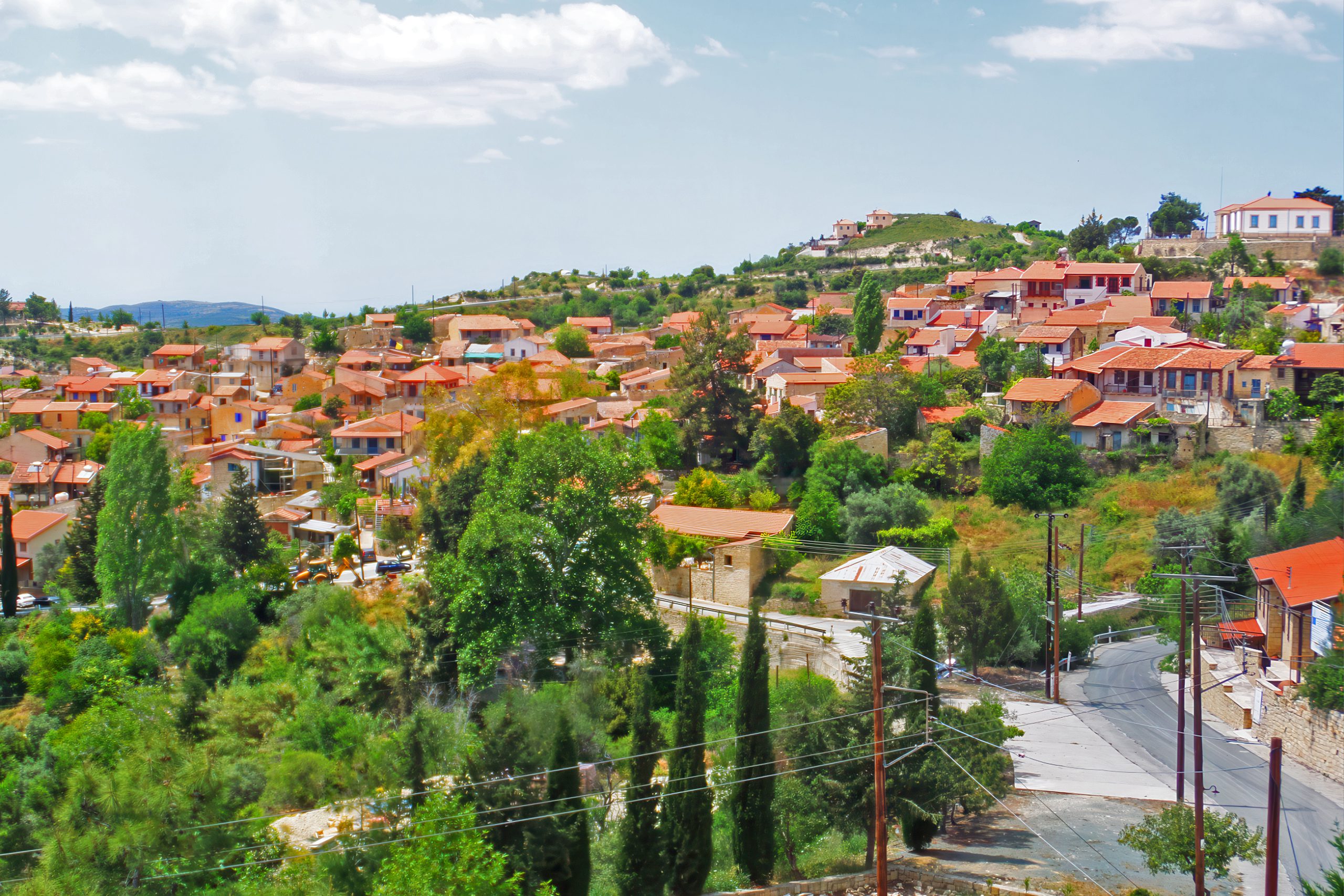
Vounous presents archaeologists with an unusual challenge. Despite extensive searches that began in the 1930s and continue sporadically today, the settlement that used this cemetery has never been located. The site sits somewhere between the villages of Ozanköy and Çatalköy in the Kyrenia region, but the homes, workshops, and temples of the people buried here remain hidden beneath modern development or agricultural land.
Historical Background
The tombs at Vounous date to the Early and Middle Bronze Age, a period when Cyprus underwent major transformation. Around 2500 BCE, settlers from Anatolia arrived on the island, bringing new pottery styles, copper-working technology, plow agriculture, and the warp-weighted loom. These immigrants, identified as the Philia Culture, moved quickly to the foothills of the Troodos Mountains to exploit the rich copper deposits.
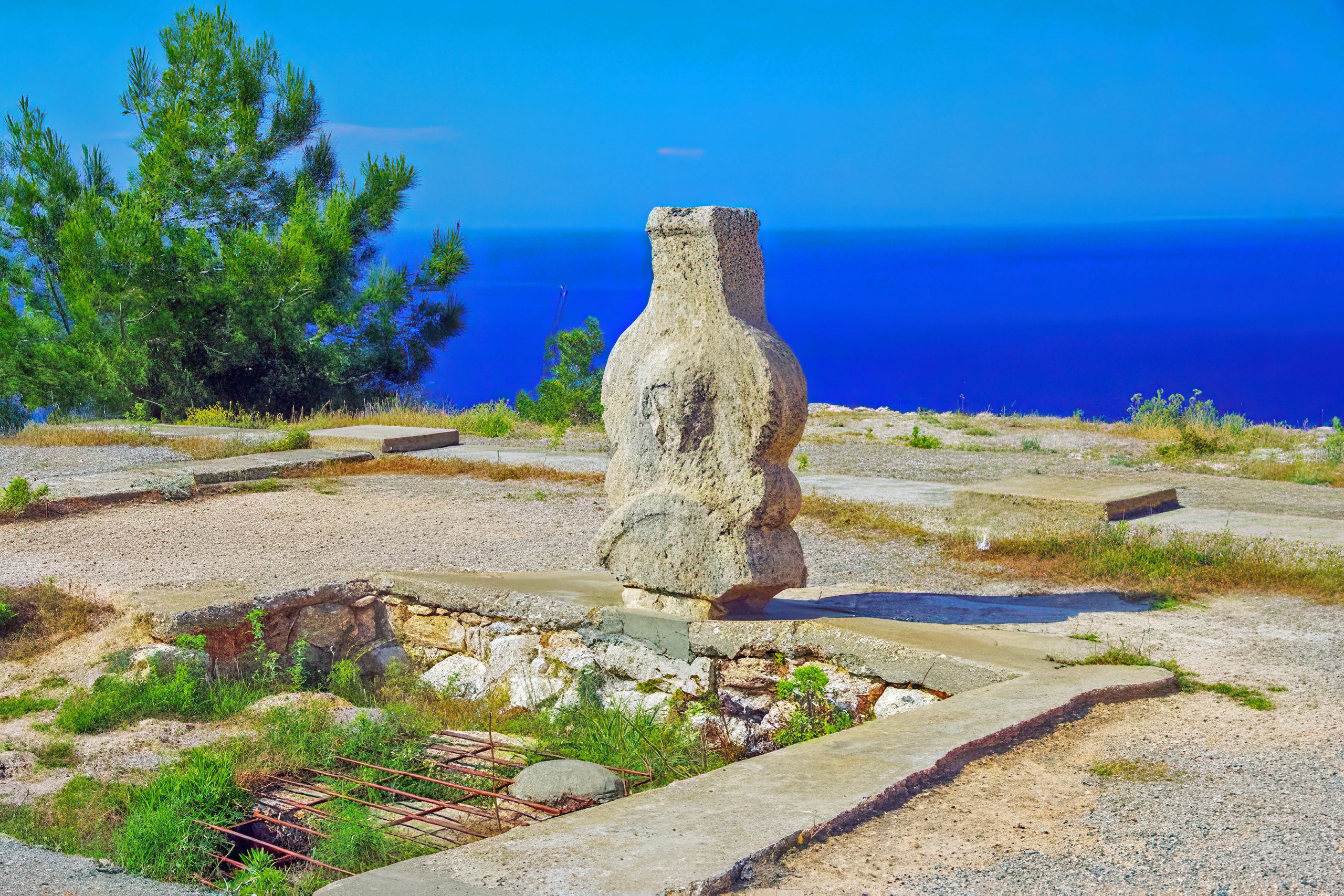
The people who used Vounous cemetery were part of this cultural shift. Their pottery shows clear Anatolian influence, particularly the distinctive Red Polished ware that dominates the tomb assemblages. This ceramic tradition, with its dark red surface and shiny appearance, spread across Cyprus and became the signature pottery of the Early Bronze Age.
For five centuries, Vounous served as the primary burial ground for communities on the north coast of Cyprus. The cemetery was in active use throughout Early Cypriot I, II, and III periods, continuing into Middle Cypriot I and II before being abandoned around 2000 BCE when regional power shifted to nearby Lapithos.
From Tomb Robbers to Scientific Study
Vounous first appeared in archaeological records in 1926 when Einar Gjerstad, a Swedish doctoral candidate, identified it as a Bronze Age site during his survey work. He listed it under the heading Kasafani, the old name for the area. The site remained relatively unknown until the early 1930s, when tomb raiders began systematically looting the chambers and selling Red Polished vases in Kyrenia.
News of the looting reached the Department of Antiquities, and Porphyrios Dikaios, Curator of the Cyprus Museum, launched rescue excavations in 1931 and 1932. His team uncovered Tombs 1 through 48 in the western part of the site. In June 1933, Claude Schaeffer, representing the National Museums of France, excavated Tombs 49 through 79 in collaboration with Dikaios. The Swedish Cyprus Expedition under Gjerstad had already conducted major excavations at several Cypriot sites between 1927 and 1931.
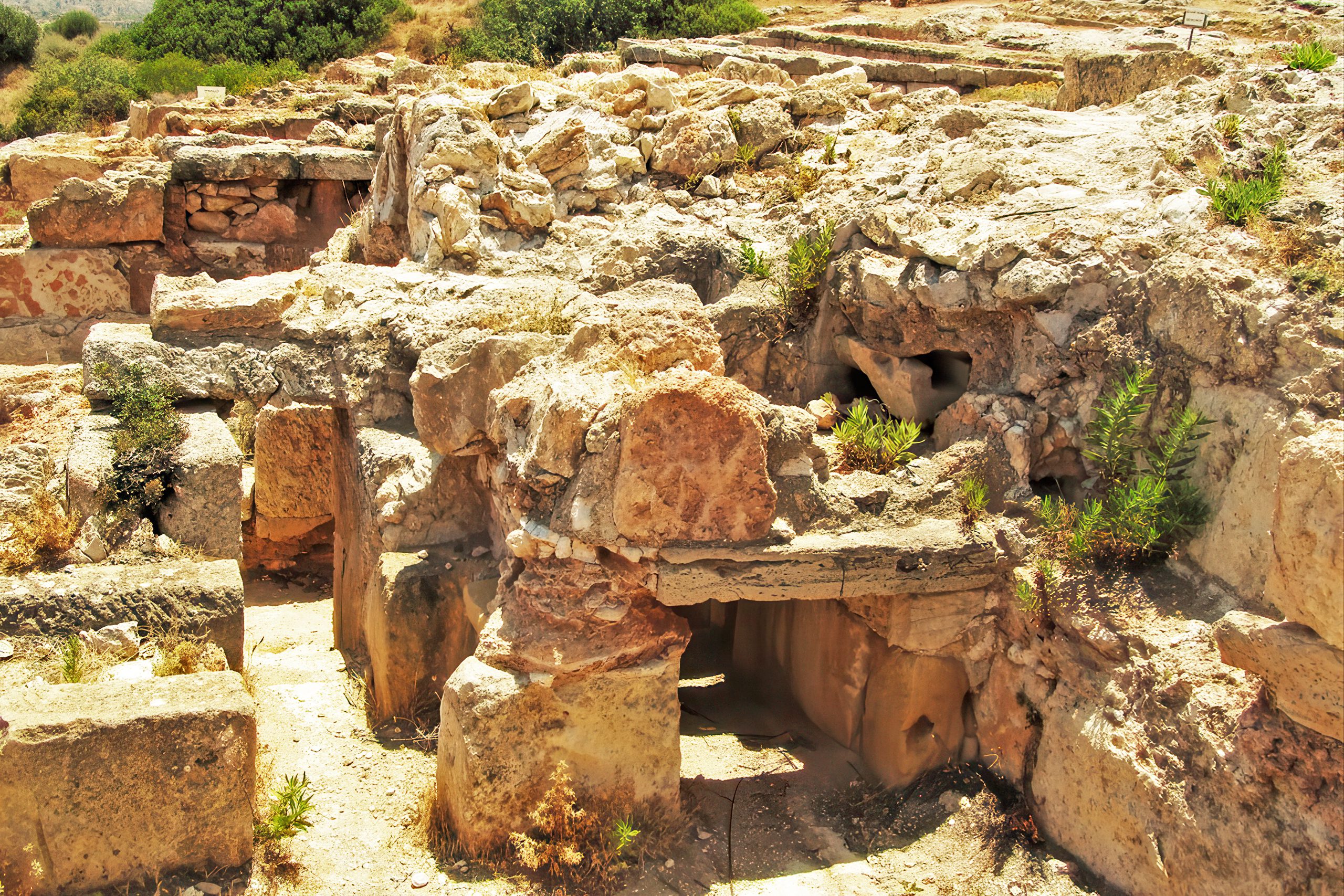
The most extensive work at Vounous occurred between 1937 and 1938 when James Stewart of the British School at Athens directed excavations that cleared 85 fully furnished tombs. His wife Eleanor Stewart was responsible for the meticulous recording and drawing of all material, work that established her reputation as a skilled archaeological illustrator. Stewart uncovered Tombs 80 through 164 at both Site A and Site B, recovering over 836 ceramic vessels along with metal tools, weapons, jewelry, and terracotta figurines.
Pottery That Defined an Era
Red Polished ware dominates the ceramic assemblage from Vounous, accounting for the vast majority of vessels placed in tombs. The potters who supplied this community were highly skilled, producing ceramics that stand out for their technical excellence and aesthetic quality. The vessels feature engraved decorative motifs, painted designs showing animals and human figures, and imaginative shapes.
Some vessels were purely functional, used for storing liquids, cooking, or serving food. Others clearly served ritual purposes. Large pedestal bowls reaching up to 53 centimeters high feature modeled cattle and other animals on their rims. Deep bowls display isolated bull heads along with miniature tulip bowls or disks engraved with concentric circles. These ritual vessels reveal complex religious beliefs and ceremonial practices.
Chemical analysis using portable X-ray fluorescence has shown that many vessels were produced locally from north coast clays, but some were imported from other regions of Cyprus or from Anatolia. The distinctive tulip-shaped bowls from Vounous, decorated with projecting clay discs and bull heads on their rims, show close resemblance to contemporary Anatolian ceramics.
Bringing Bronze Age Pottery Back to Life
In 2017, a remarkable project began to reconnect Vounous with its lost heritage. The International Terracotta Symposium assembled 80 artists and craftspeople next to the necropolis to study and recreate Bronze Age pottery using the same clays and techniques employed 4,000 years ago. Rauf Ersenal, who has spent years hiking through the mountains of the Turkish-occupied part of Cyprus searching for rare clays, led the effort to revive ancient ceramic traditions.
The symposium fired pottery in an updraught kiln similar to what Bronze Age potters used. A second symposium in 2018 expanded to include bronze casting using local clays for molds and crucibles, with a furnace heated by charcoal and bag bellows. The replicas created at these symposia are displayed at Vounous itself and at the visitors center at Girne Castle, allowing people to see what the pottery looked like without traveling to distant museums.
Plans exist to develop an open-air museum at Vounous with permanent workspaces that replicate Bronze Age buildings from the region. The project aims to provide year-round workshops, classes, artist residencies, and educational opportunities for people to learn about ancient ceramic techniques and materials.
Exploring the Ancient Cemetery Today
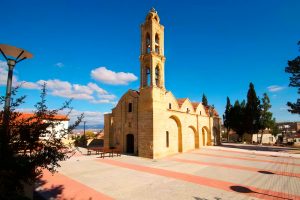
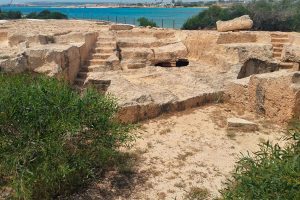
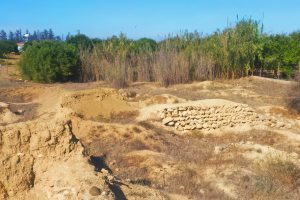
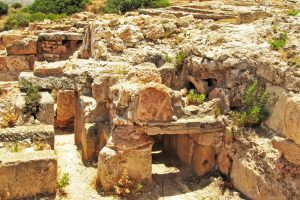
The Vounous necropolis sits on a hilltop opposite Bellapais Abbey, one of the most beautiful medieval structures in Cyprus. The cemetery occupies land between the villages of Ozanköy and Çatalköy in the Kyrenia district. Visitors can see some of the rock-cut tombs, though many remain covered by soil and vegetation.
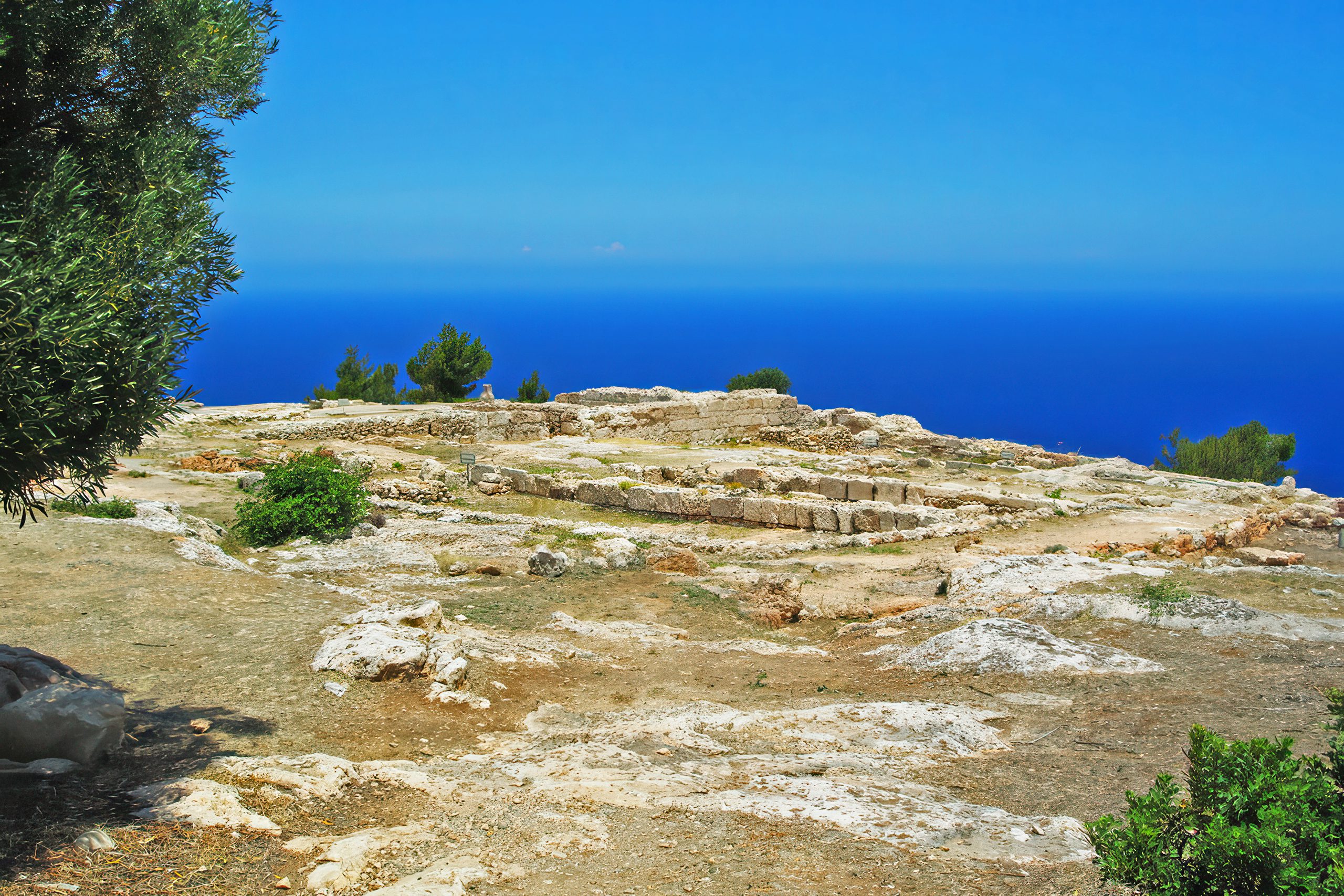
The site is not extensively developed for tourism, and no on-site museum exists to display original artifacts. However, the annual terracotta symposia and exhibitions of replica pottery provide opportunities to understand Bronze Age ceramic production. The combination of the ancient cemetery, the medieval abbey, and the surrounding mountain landscape creates a unique experience that spans thousands of years of Cypriot history.
Why This Cemetery Still Matters
Vounous matters because it preserves the most complete record of Early and Middle Bronze Age life on the north coast of Cyprus. The 164 tombs and 836 vessels document five centuries of ceramic production, ritual practices, and social organization. The site reveals communities that were far more sophisticated, interconnected, and socially complex than scholars once believed.
The famous Vounous Bowl and the elaborate ritual vessels show us people who expressed religious beliefs and social hierarchies through pottery. The imported goods and Anatolian-influenced ceramics demonstrate active participation in Mediterranean trade networks. The investment in tomb architecture and grave goods reflects families competing for status and establishing territorial claims through the honored dead.
Standing on the slopes where these Bronze Age people buried their loved ones, looking toward the mountains where they mined copper and the sea where they traded goods, connects us to a vanished world. Though we may never find their settlement, the tombs they carved into rock and the pottery they placed with their dead tell a powerful story of how ancient Cypriots lived, believed, and built communities that shaped the island’s future.