Teucer of Salamis was a legendary Greek hero from the Trojan War, famed as a skilled archer and half-brother to the mighty Ajax. Banished from his homeland after the war, he journeyed to Cyprus under divine guidance and founded the ancient city of Salamis, naming it after his lost island home. His tale of exile, resilience, and renewal weaves into Cyprus’s cultural fabric, turning personal tragedy into a founding myth that still inspires thoughts on identity and fresh starts.
The Legendary Archer Who Bridged Worlds
Think of Teucer as more than just a side character in epic tales – he’s a bridge between the chaos of war and the hope of new beginnings. In Greek mythology, he’s the son of King Telamon of Salamis Island and Hesione, a Trojan princess captured during a raid on Troy long before the famous war. This mixed heritage made him a natural outsider: Greek by upbringing but with Trojan blood, nephew to King Priam and cousin to Hector and Paris.
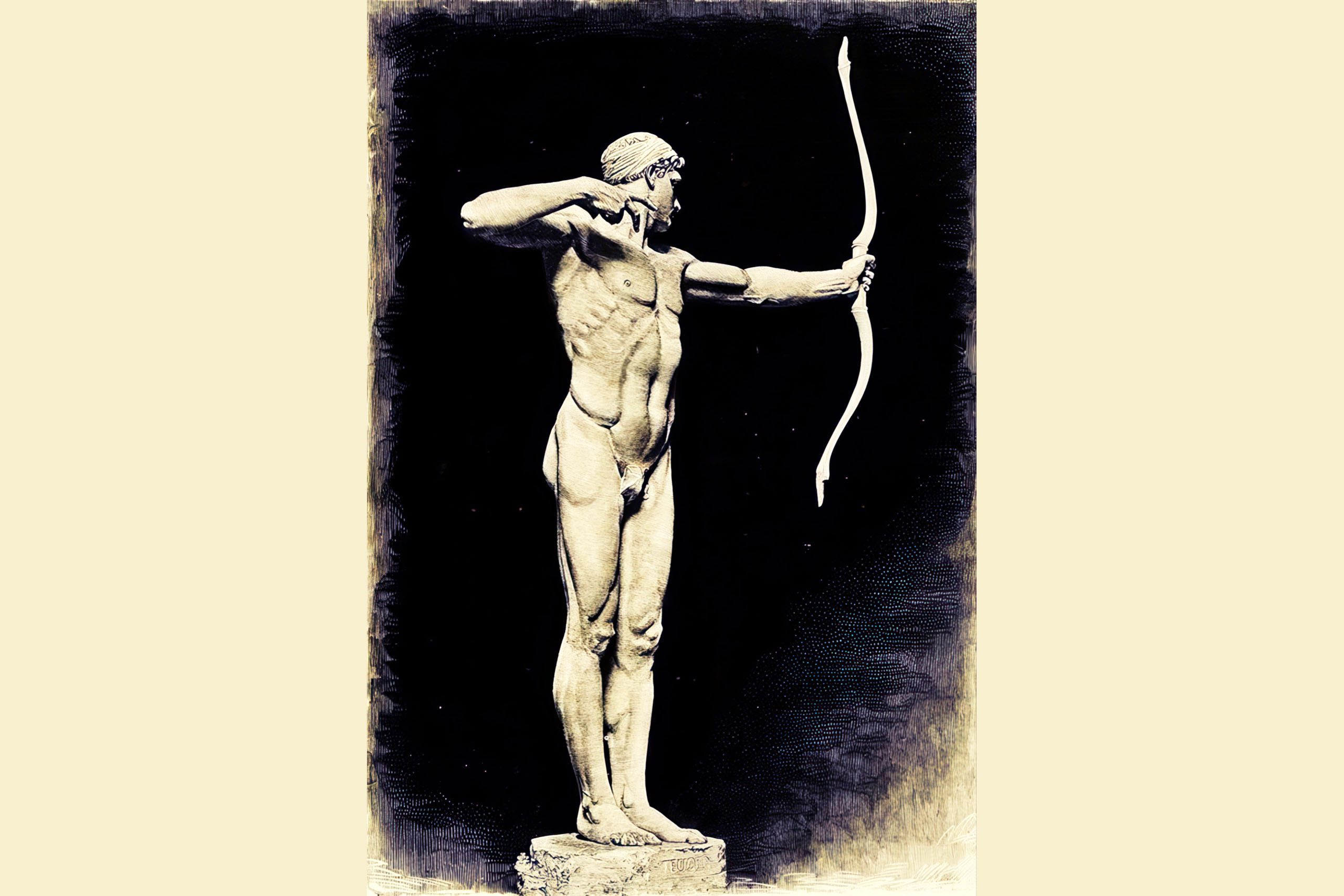
As an archer rather than a frontline brute, Teucer embodied precision and strategy, fighting from behind his brother’s massive shield. But his real legacy lies in Cyprus, where he didn’t conquer but created, founding Salamis as a haven for exiles like himself. It’s a story that captures the island’s essence – a melting pot where Greek heroes met local traditions, forging something uniquely Cypriot without erasing the past.
From Trojan Fields to Cypriot Shores
Teucer’s story roots back to the mythic age of heroes, drawing from Homer’s Iliad around the 8th century BC, where he’s praised as a deadly bowman. Born on the island of Salamis near Athens, he was Telamon’s son from his second marriage to Hesione, making him Ajax’s half-brother – the illegitimate one, as some tales whisper. Their family tree boasted divine flair: their grandfather Aeacus was son of Zeus and the nymph Aegina, so godlike strength ran in the blood. When the Trojan War erupted over Helen’s abduction, Teucer sailed with the Greeks, proving his worth in brutal battles.
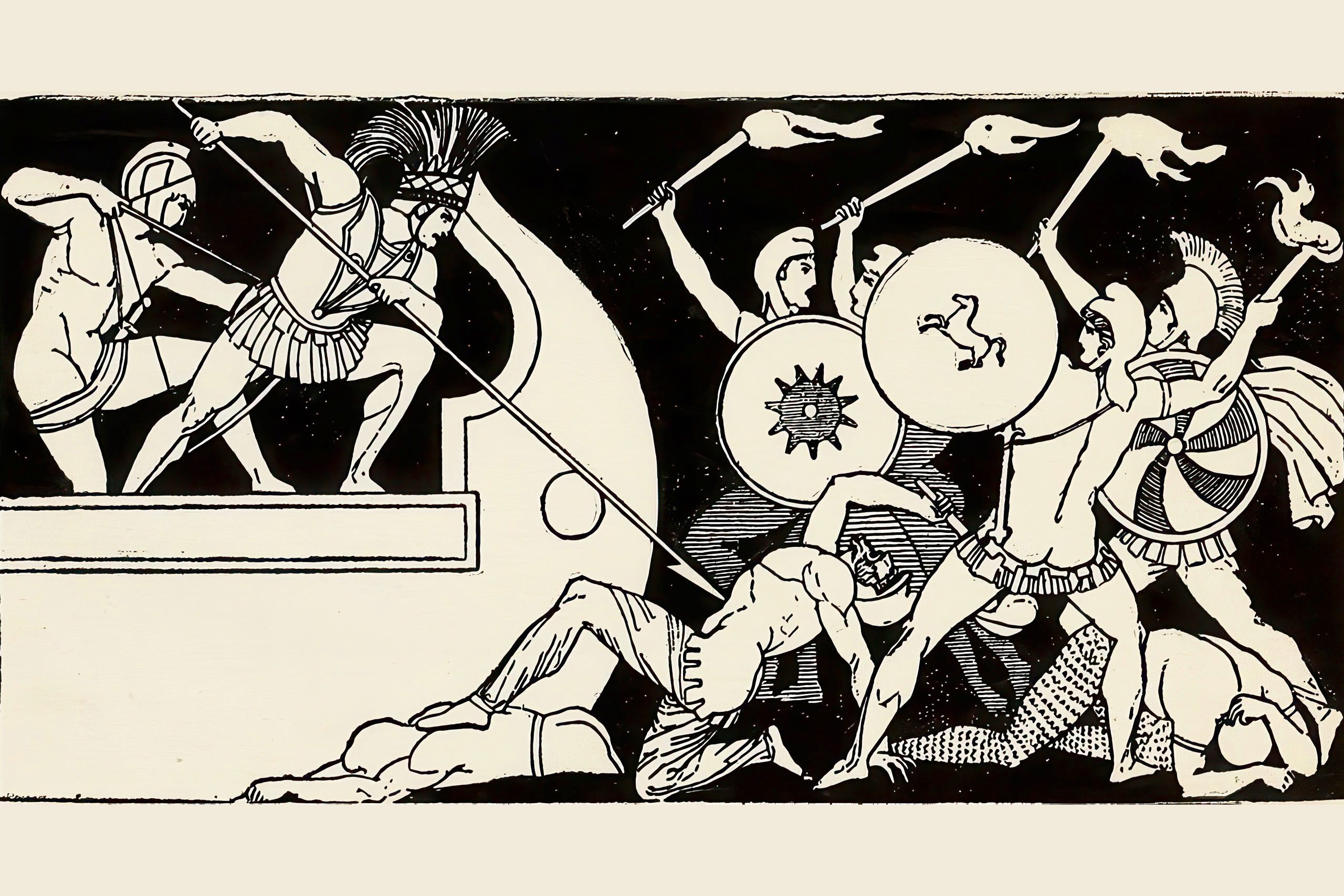
Homer paints vivid scenes: Teucer picking off Trojans from cover, his arrows finding gaps in armor while Ajax shielded him. One standout moment? He nailed ten enemies in a single Iliad passage, earning Agamemnon’s nod as a savior of the Greeks despite his bastard status.
But glory turned sour post-war. Ajax, denied Achilles’ armor in a rigged contest, went mad and killed himself. Teucer defended his brother’s honor and body fiercely, but back home, Telamon blamed him for not preventing the suicide or avenging it properly. “You failed your kin,” the king raged, banishing Teucer forever.
Heartbroken, he consulted Apollo’s oracle at Delphi, which cryptically advised: “Found your home where earth-born enemies attack.” Sailing east, he landed in Cyprus around 1180 BC in mythic timelines, where a swarm of locusts (those “earth-born” pests) assaulted his camp at dawn – a sign this was the spot. With help from local king Cinyras, Teucer built Salamis, blending Greek customs with Cypriot ways. Over centuries, as Persians, Greeks, and Romans vied for the island, his legend endured, with kings like Evagoras (5th century BC) claiming descent to legitimize rule.
It’s a narrative that evolved from oral epics to written histories by folks like Isocrates, who tutored Salamis royals and wove Teucer into speeches praising Cypriot grit.
A Hero Defined by Loss and Precision
What sets Teucer apart isn’t flashy victories but his quiet strengths and human flaws. As an archer, he symbolized cunning over brawn – needing distance, accuracy, and patience in a world of sword-swinging titans. Picture him: lithe, focused, loosing shafts that felled foes like Hector’s charioteer or the Amazon Glauke. His bond with Ajax was unbreakable; they fought as a duo, Teucer avenging insults to his brother with deadly aim. Yet exile stripped him bare: no home, no inheritance, just skills and divine hints.
In Cyprus, Teucer became a founder-hero, not a conqueror. He married Eune, daughter of Cinyras (Aphrodite’s priest-king), blending bloodlines and cultures. Their daughter Asteria added to the lineage. Salamis grew into a powerhouse: a bustling port with massive walls, temples, and a necropolis revealing Greek-style tombs alongside local Phoenician influences. Teucer’s myth justified this hybridity – he wasn’t imposing Greek ways but adapting, honoring gods like Zeus and Apollo with shrines. Unlike Odysseus’s triumphant return, Teucer’s path was one-way, turning rejection into reinvention. His story echoed for Cypriots facing invasions, offering a model of resilience where loss fuels creation.
Quirky Legends and Hidden Gems
Teucer’s tale brims with oddball details that make mythology fun. That oracle prophecy? The “earth-born enemies” weren’t monsters but locusts – a plague that hit just as dawn broke, fulfilling the riddle in a hilariously mundane way. No epic battle, just bugs signaling “build here.” Another twist: in Euripides’ play Helen (412 BC), Teucer pops up as a bitter exile, ranting about Troy’s futility before heading to Cyprus, adding emotional depth to his wanderings.
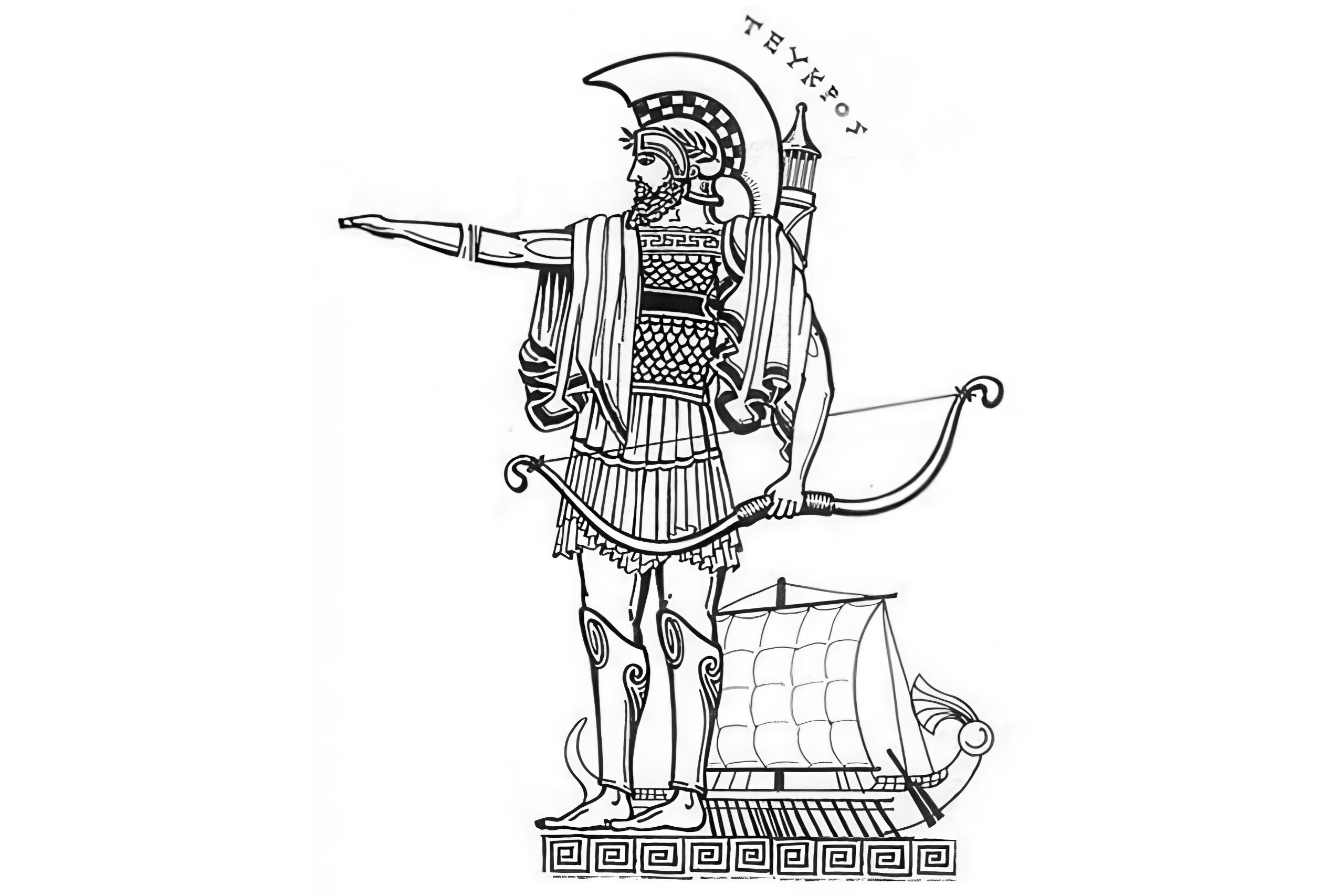
Did you know he might link to Spanish lore? Some wild medieval tales claim Teucer founded cities like Cartagena or even Pontevedra in Galicia, tying him to Iberian myths – though historians chalk it up to confused chroniclers mixing Greek heroes. In Cyprus, artifacts from Salamis include a bronze arrowhead inscribed with Teucer’s name, fueling debates if it’s real or a later fake. And in Sophocles’ Ajax, Teucer’s defense of his brother’s burial rights shows his moral spine, standing up to kings like Odysseus. During World War II, British digs at Salamis uncovered Hellenistic coins depicting Teucer as a bearded warrior, proving his image endured on currency. These bits turn him from dusty legend to a character with relatable quirks, like a hero who builds empires after family drama.
Unraveling Deeper Myths and Influences
Dive further, and Teucer’s role reveals layers of cultural fusion. His Trojan mom Hesione came from Heracles’ sack of Troy – a prequel war where Telamon won her as prize, making Teucer a symbol of east-west ties. In Cyprus, he meshed with local deities: Cinyras, linked to Aphrodite and copper cults, welcomed him, perhaps seeing Teucer as a divine envoy. Hero cults at Salamis likely involved offerings at his supposed tomb, not as a god but a protective ancestor – think wine libations or games honoring his archery prowess.
Archaeologically, Salamis dates to the 11th century BC, aligning with post-Trojan migrations of Mycenaean Greeks to Cyprus. Teucer’s myth might encode real events: refugees fleeing collapsed palaces, bringing Linear B scripts and pottery styles. Plays amplified his fame – in Pacuvius’ Roman tragedy Teucer, he’s a defiant exile scorning his dad. Politically, Persian-era kings like Evagoras used Teucer to rally against occupiers, portraying Salamis as a “new Greece.” Even under Romans, who renamed it Constantia after earthquakes, Teucer’s ghost lingered in mosaics and inscriptions. This depth shows myths weren’t fluff; they navigated identity in a turbulent Mediterranean, helping Cypriots claim heroic roots amid foreign rule.
Teucer’s Echo in Today’s Cyprus
Fast-forward, and Teucer’s spirit infuses modern Cyprus like a quiet undercurrent. In a nation split since 1974, his exile story resonates with themes of displacement and rebuilding – think refugees founding new lives post-invasion. Salamis, now an archaeological park in the north, draws visitors pondering its layers, symbolizing shared heritage across divides. Festivals in Famagusta nod to him through archery demos or theater revivals of Ajax, blending fun with reflection.
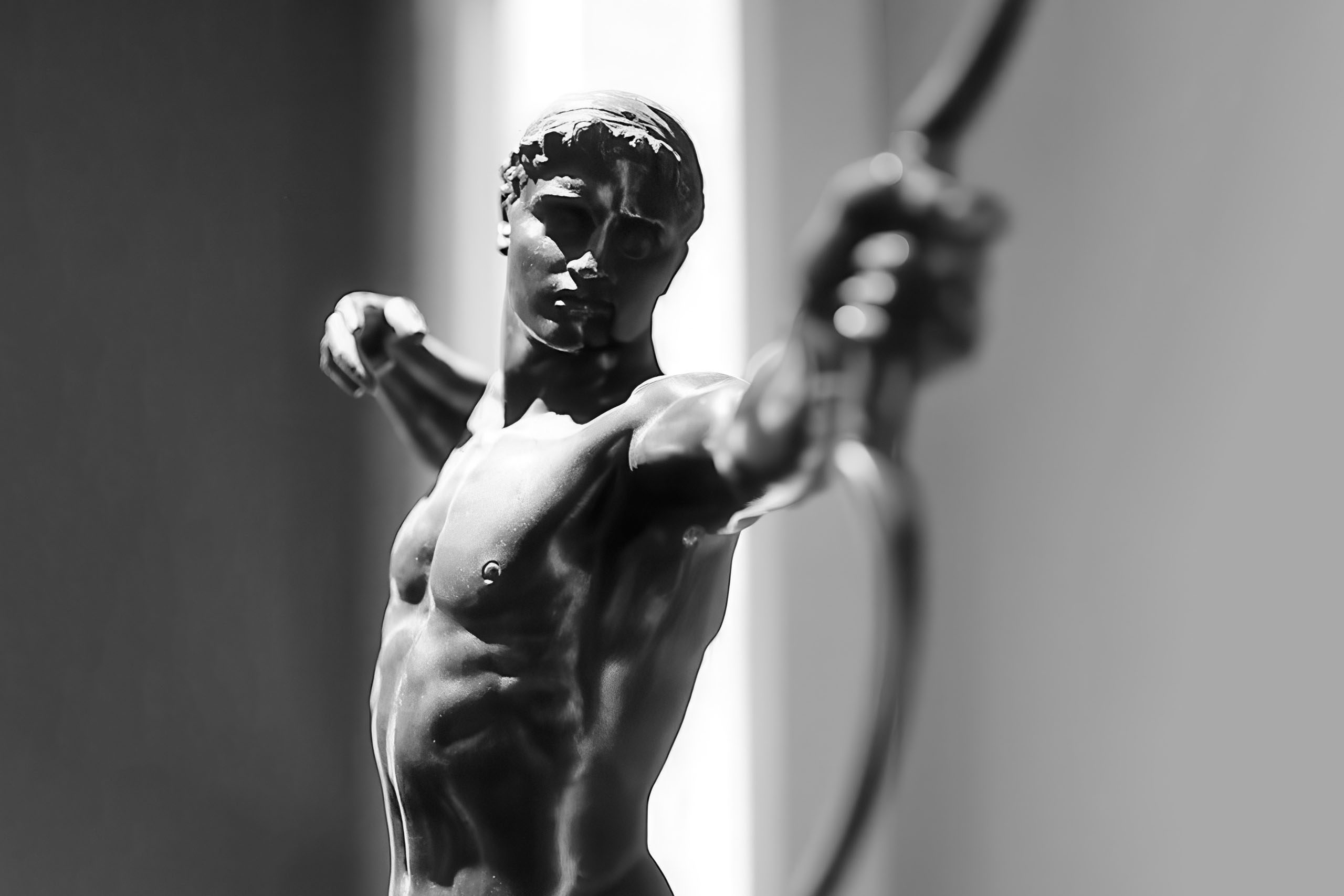
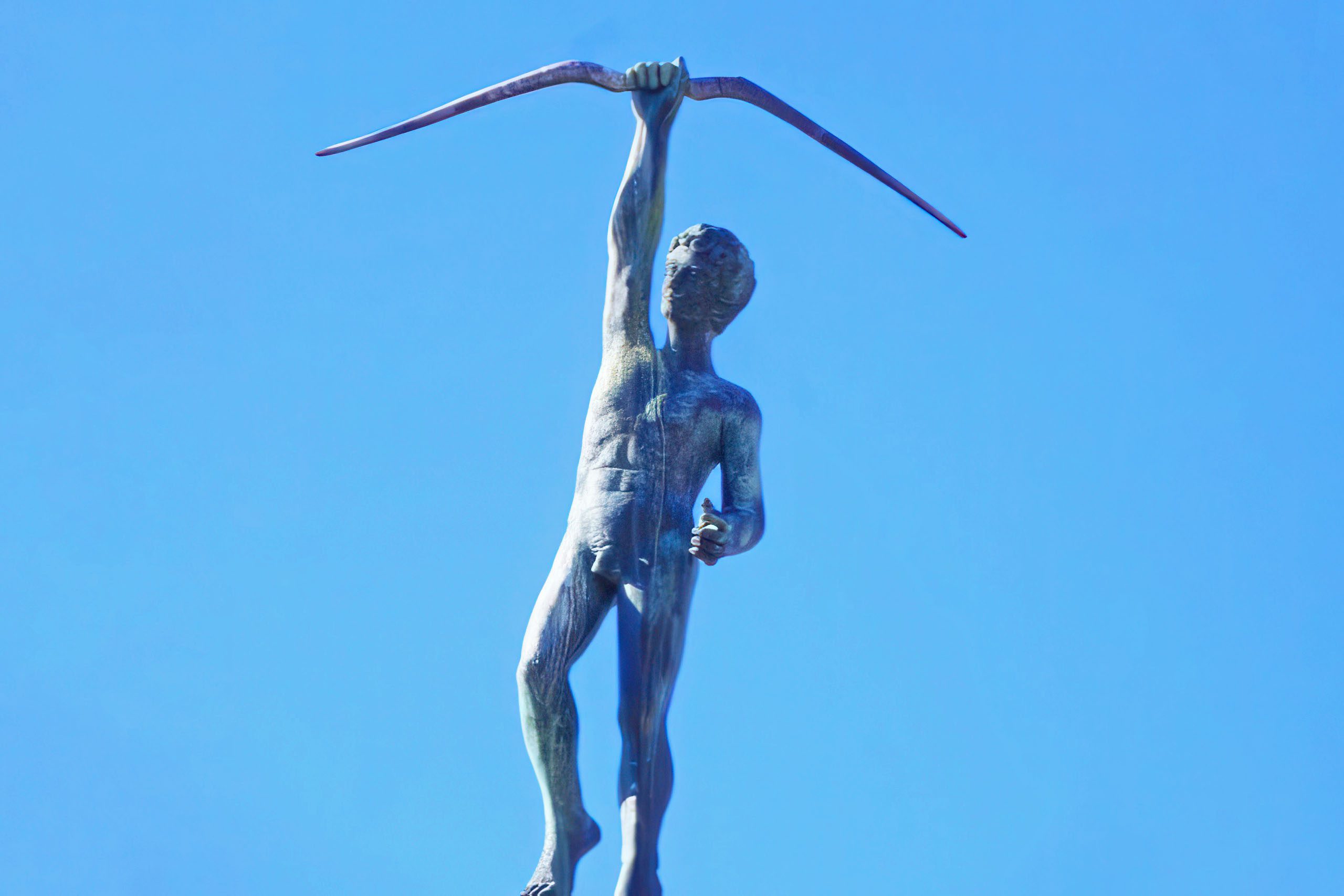
Culturally, he’s a pride point: schools teach his myth as Cyprus’s link to Homer, fostering identity in EU-era globalization. Artists invoke him in poems or sculptures, like a Paphos statue showing him mid-draw, representing precision in chaotic times. Environmentally, as climate shifts threaten ancient sites, preservation efforts at Salamis highlight Teucer’s renewal theme – restoring ruins as acts of cultural endurance. In pop media, he cameo in Troy films or games like Assassin’s Creed, keeping the legend fresh. For Cypriots, Teucer embodies grit: not the flashy hero, but the one who starts over, mirroring the island’s history of rising from ashes.
Stepping Into Teucer’s World
Can’t time-travel to ancient Salamis? No worries – the site’s ruins near Famagusta are open year-round, a short drive from Ayia Napa or Nicosia (check border crossings if coming from the south). Entry’s cheap, about €2.50, with paths winding past massive columns, a theater seating 15,000, and baths where mosaics depict myths. Go early to dodge summer heat; wear comfy shoes for uneven stones, and bring water – no cafes inside.
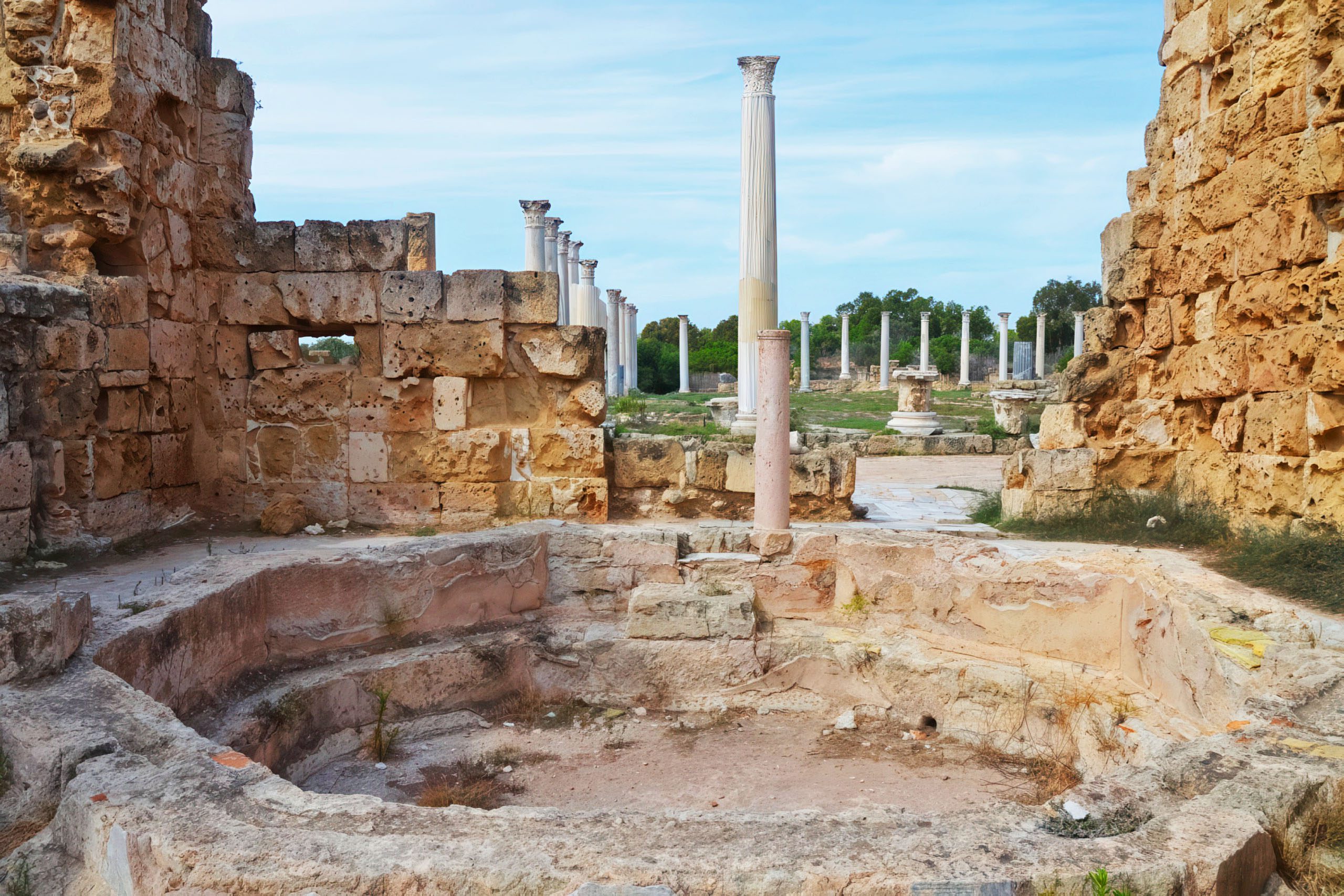
For immersion, join guided tours explaining Teucer’s founding spots, like the supposed palace foundations. Combine with nearby Enkomi, a Bronze Age precursor, for a full timeline. If adventurous, try archery classes in Larnaka, channeling his skill. Safety note: The north’s under Turkish administration, so EU insurance might not cover; drive carefully on winding roads. Evenings, hit Famagusta’s old town for meze while locals spin yarns – it’s not just ruins; it’s feeling the echo of a hero who turned loss into legacy.
A Myth That Builds Bridges Across Time
Ultimately, Teucer of Salamis is worth exploring because he flips the hero script: no conquest glory, just human perseverance crafting something lasting from heartbreak. His journey ties Cyprus to epic traditions while celebrating its unique blend, reminding us the island’s strength lies in adaptation. In a world of migrations and fresh starts, Teucer’s tale offers hope – exile isn’t the end, but a chance to found new homes. Whether wandering Salamis’s stones or pondering life’s twists, he captures Cyprus’s soul: resilient, layered, and ever-renewing, proving myths can guide us still.