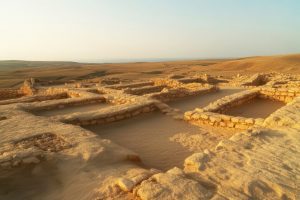
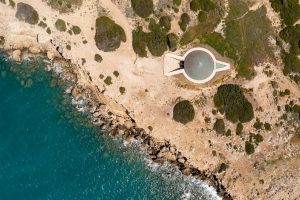
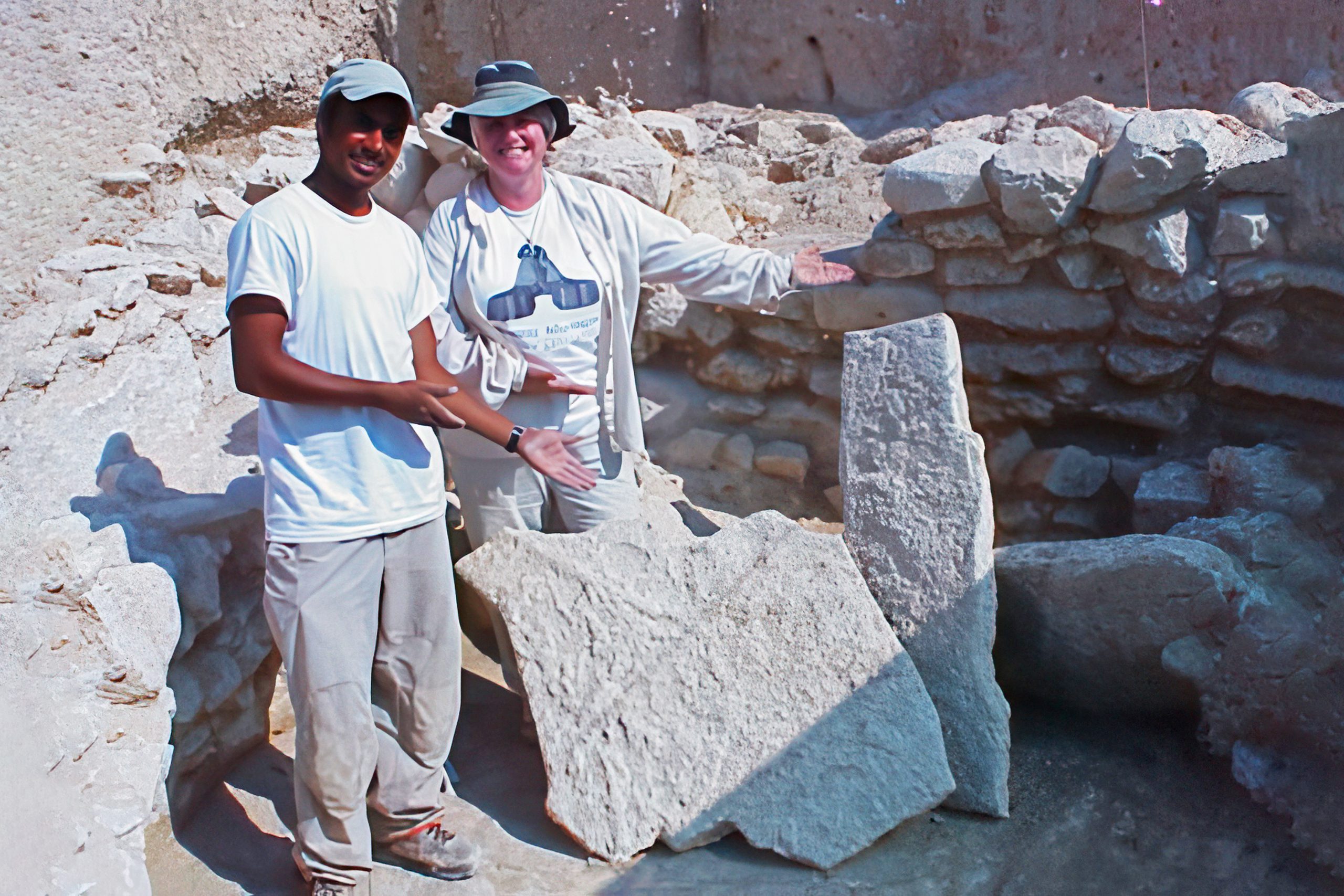
Sotira Kaminoudhia is an Early Bronze Age settlement and cemetery complex located in the Sotira parish and covering an area of approximately one hectare. The site was excavated by Stuart Swiny of the Cyprus American Archaeological Research Institute between 1978 and 1986 as part of a wider regional survey project. The settlement occupies the lower slopes and flat fields north of Teppes hill, where Porphyrios Dikaios had earlier excavated the well known Neolithic site that gave rise to the term Sotira culture.
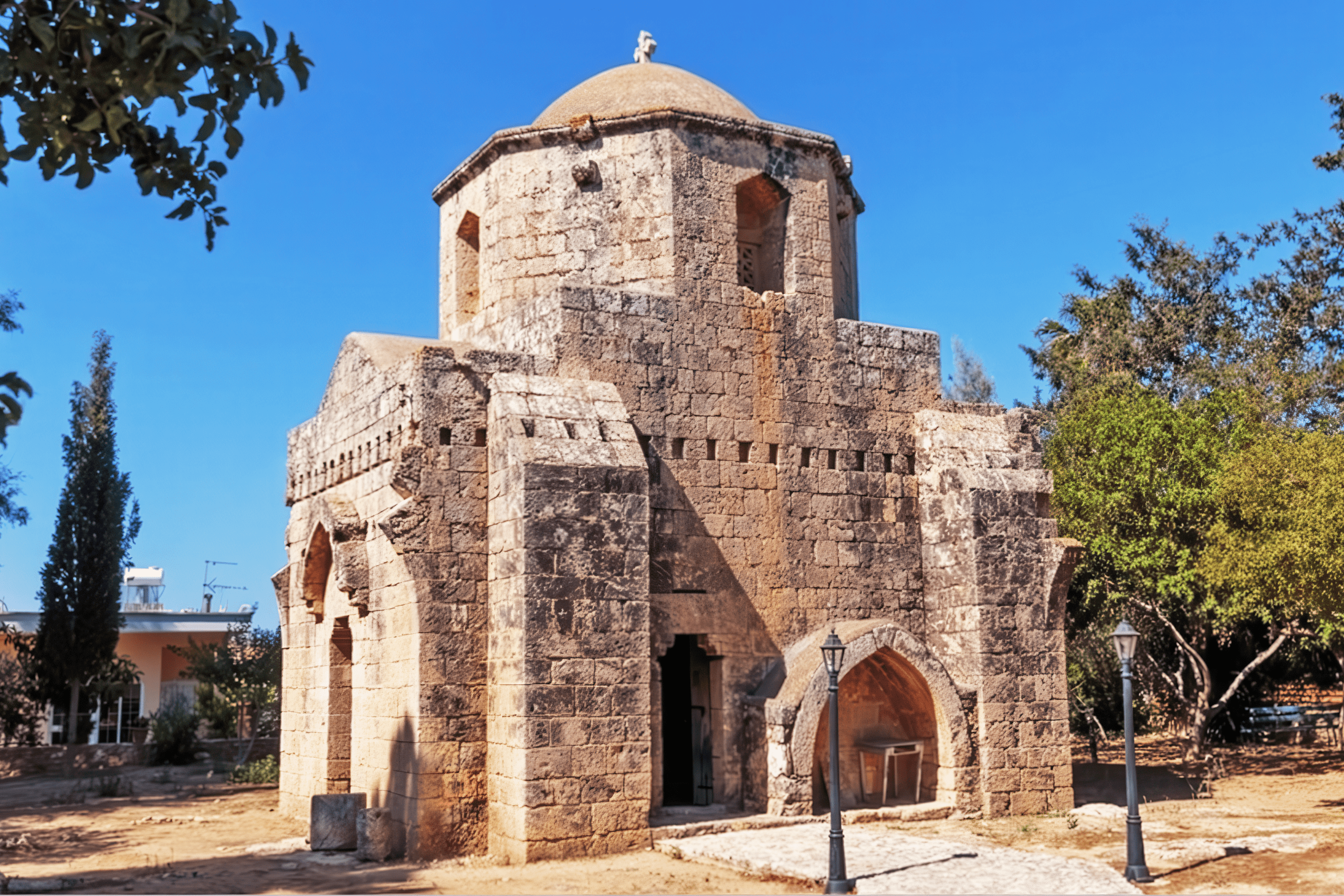
The site spans three distinct phases: Philia, dated to approximately 2500 to 2300 BC, Early Cypriot I to II from 2300 to 2100 BC, and Early Cypriot III from 2100 to 2000 BC. The excavated settlement remains belong exclusively to the EC III phase, while the earlier periods are represented by associated cemeteries located on either side of a small valley. Radiocarbon dating of organic material from well stratified deposits provided the first absolute chronology for the Cypriot Early Bronze Age and resolved long standing debates concerning the duration and internal sequence of this period.
Surface survey evidence suggests continuous occupation across all three phases rather than short term or shifting settlement patterns once thought typical of Early Bronze Age Cyprus. This long occupation sequence places Kaminoudhia alongside sites such as Marki Alonia and Alambra Mouttes, which also demonstrate sustained settlement and challenge earlier interpretations of Bronze Age habitation on the island.
Historical Background
The Philia phase represents one of the most significant cultural transformations in Cypriot prehistory. Named after a cemetery near Morphou where it was first identified, this cultural horizon marks the transition from the Chalcolithic to the Early Bronze Age. Kaminoudhia was founded at the very beginning of the Philia phase and remained occupied until its collapse around 2300 to 2250 BC.
The Philia culture introduced fundamental changes to life on Cyprus. Settlement patterns shifted from the monocellular circular houses that had dominated for millennia to agglomerated villages composed of multi roomed rectangular buildings. Ceramic production also underwent a major transformation with the emergence of Red Polished ware and its regional variants. Copper metallurgy, which already existed during the Chalcolithic, expanded substantially, as shown by the sharp increase in copper based objects recovered from sites across the island.
The origins of these changes remain the subject of ongoing debate. Earlier interpretations emphasized stimulus diffusion or population movements from Anatolia. More recent approaches argue for indigenous development shaped by local power structures and the selective adoption of Anatolian elite symbolism. Supporters of migration models point to the broad range of innovations in technology, burial customs, and artifact forms, suggesting that colonizing groups settled primarily in western, southwestern, and central Cyprus, often favoring copper rich foothills and productive agricultural zones.
At Kaminoudhia, the settlement area associated with the Philia phase has not yet been identified, leaving the precise location of habitation unknown. Nevertheless, three Philia period tombs were excavated and yielded exceptionally rich burial assemblages. These included spiral earrings, some crafted from electrum, a natural alloy of gold and silver, along with copper daggers, knives, and characteristic pottery vessels. The richness of these graves indicates both access to metal resources and participation in the broader cultural networks that defined the Philia horizon.
Architecture and Settlement Organization
The EC III settlement at Kaminoudhia represents approximately 375 square meters of excavated exposure distributed across three areas. The architecture illustrates a clear transition to multi room, agglutinative buildings that defined Bronze Age Cyprus. These rectangular structures contrast sharply with the free standing, single room pattern inherited from earlier circular houses.
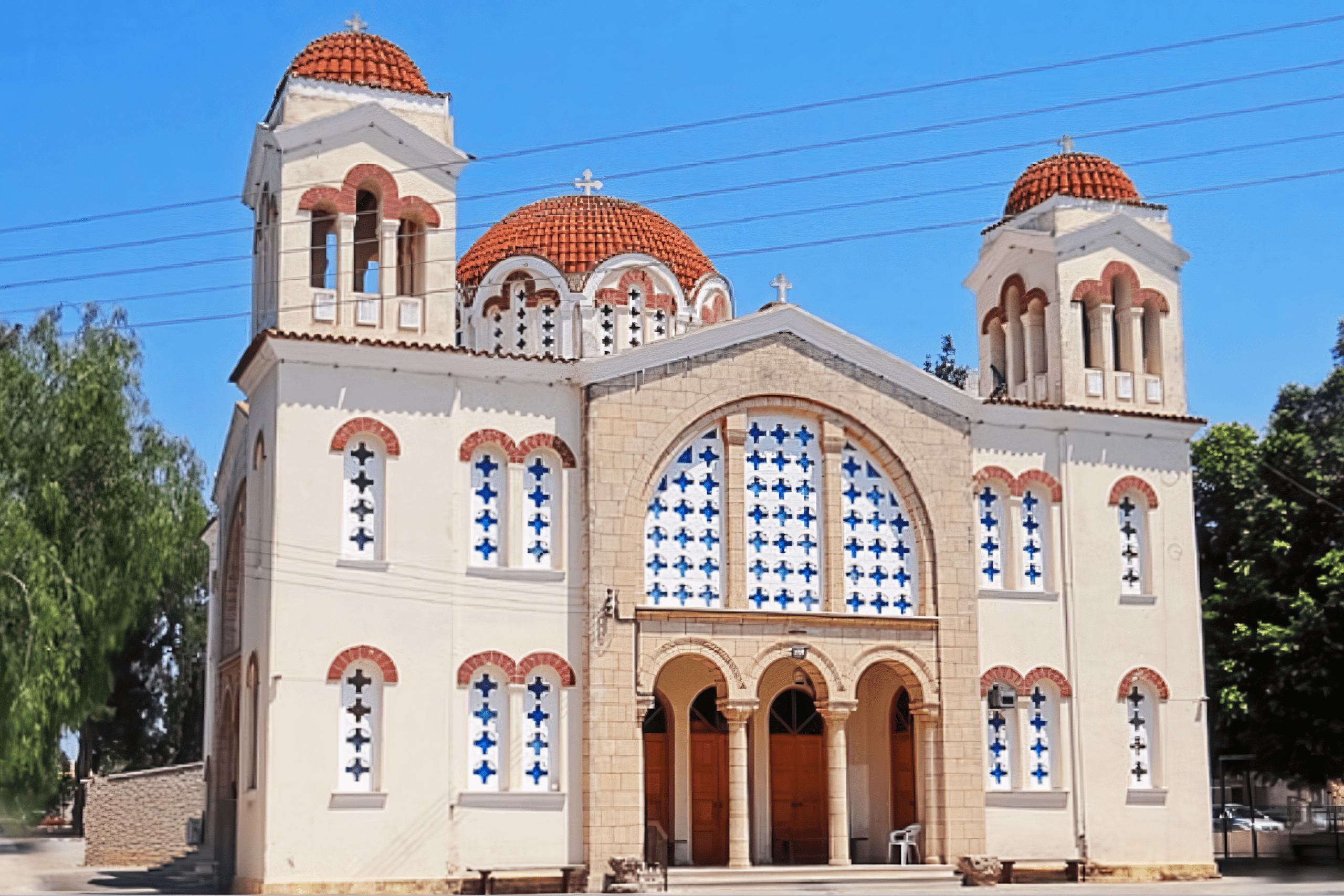
The shift to rectangular architecture may relate to the adoption of plow agriculture, which involved different labor demands and new implications for property inheritance when compared to hoe cultivation. Plow based farming required greater investment in land clearance and long term maintenance and encouraged stronger attachment to specific territories. This economic change increased the importance of hereditary transmission of property, including land and draft animals, and reflects a move toward a delayed return socioeconomic system that emphasized long term investment and intergenerational transfer of assets.
Construction relied on local stone foundations topped with mudbrick superstructures. The careful retention of portable household goods, rather than their abandonment at the end of occupation as seen during the Chalcolithic period, supports the interpretation of changing attitudes toward ownership and inheritance. Ground stone artifacts appeared in unusually high numbers, with seventy eight examples recovered from one phase within a single unit, although most were unmodified handstones that likely reflect expedient tool use.
Metallurgy and the Copper Explosion
Sotira Kaminoudhia experienced what archaeologists describe as the copper explosion of the Early Bronze Age. The limited number of excavated settlements and the many cemeteries across Cyprus reveal a sharp increase in copper artifacts when compared with the earlier Chalcolithic period. This rapid expansion of metallurgy transformed Cyprus into an important participant in eastern Mediterranean trade networks.
Analysis of twenty seven metal objects from Kaminoudhia using energy dispersive X ray fluorescence revealed well developed metallurgical practices. Copper based artifacts primarily contained arsenical alloys rather than pure copper, which indicates advanced technical knowledge. Arsenic concentrations point to deliberate alloy production and challenge earlier interpretations that viewed arsenic as an accidental impurity. The intentional addition of arsenic improved the mechanical qualities of copper and produced harder, more durable tools and weapons.
Several artifacts displayed tin bronze composition, especially among materials attributed to the Philia phase. These tin bronzes reflect a further level of technological development, since tin had to be imported from outside Cyprus through established exchange networks. The coexistence of arsenical copper and tin bronze suggests a sophisticated understanding of alloy behavior and implies that material choices may have related to function or visual preference.
The metal assemblage consisted of pins, needles, and small fragments recovered from settlement contexts, along with larger knives, daggers, and jewelry from burial contexts. The Philia spiral earrings fashioned from electrum represent especially advanced craftsmanship. All analyses relied on non destructive methods, which preserved the integrity of the artifacts while allowing in situ examination of objects housed in the Cyprus Museum.
Health, Diet, and Living Conditions
Analysis of human skeletal remains conducted by Carola Schulte Campbell offers insight into the physical condition and overall health of the Kaminoudhia population. The remains show evidence of porotic hyperostosis, a pathological condition that likely indicates the presence of malaria in the region. This suggests that even though the settlement occupied a relatively favorable environment, infectious disease affected the community.
Faunal analysis carried out by Paul Croft identified substantial consumption of beef along with pig, caprines such as sheep and goats, and hunted deer. This combination of domesticated livestock and wild game supplied adequate dietary protein. The prominence of cattle is particularly significant, since cattle require greater investment in fodder and grazing land than smaller animals. Beyond their dietary value, cattle likely functioned as draft animals for plowing and as prestige animals used during feasting or ritual events.
Botanical evidence from the settlement points to the cultivation of cereals and legumes. Together with animal husbandry and hunting, these practices supported a stable and resilient subsistence economy. Access to copper resources in the nearby foothills created opportunities for craft specialization and participation in wider exchange networks that extended beyond basic food production.
Why Kaminoudhia Matters
Sotira Kaminoudhia fundamentally reshaped archaeological understanding of the Early Bronze Age in Cyprus. Before its excavation, this period lacked a firm chronological framework. Radiocarbon dates from Kaminoudhia established the first absolute chronology and confirmed the duration of the Philia phase and the subsequent Early Cypriot periods. This sequence now serves as the chronological anchor for interpreting all other Early Bronze Age sites across the island.
The site also demonstrates that Early Bronze Age Cyprus consisted of village based communities without urban centers or clear evidence of elite dominance. No single settlement stands out because of size, architectural complexity, or concentration of luxury goods or foreign imports. None displays the extensive external trade networks that later defined Late Bronze Age Cyprus. This pattern points to a relatively egalitarian social structure during the formative stages of Cypriot copper metallurgy.
The Site Today
Sotira-Kaminoudhia is not open to regular public visitation. The site lies on private agricultural land, and the visible remains are limited to areas disturbed during excavation. The most important architectural features were carefully documented and then backfilled for long-term protection. Artifacts recovered from the excavations are preserved in the Cyprus Museum in Nicosia and in other research collections.
The nearby Neolithic site of Sotira-Teppes occupies the summit of a steep hill roughly 400 meters away and is more accessible to interested visitors. Together, these two major sites within the same parish highlight the long-term appeal of this landscape. Reliable water sources, fertile farmland, and proximity to copper deposits in the northern foothills made the area attractive for settlement over many millennia.
A Settlement That Redefined An Era
Sotira-Kaminoudhia matters because it filled a critical gap in Cypriot archaeology. It provided the first excavated settlement evidence from southern Cyprus for the Early Bronze Age and established the chronological framework on which all later research now relies. Radiocarbon dates, ceramic sequences, and architectural remains from the site created a key reference point for interpreting contemporary settlements across the island.
More broadly, Kaminoudhia shows how Cyprus took part in the major transformations unfolding across the eastern Mediterranean during the third millennium BC. The shift to rectangular architecture, the expansion of copper metallurgy, the emergence of distinctive ceramic traditions, and changes in burial practices all reflect Cyprus’s engagement with wider cultural networks while preserving strong local identities. The site demonstrates that these changes resulted from a combination of external contacts and internal developments, rather than simple colonization or isolation.