Explore Cyprus with Our Interactive Map

Explore our top stories and discover ideas worth your time.

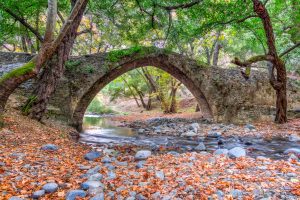
Cyprus Woodland Areas Pine Cedar Dominance

Cyprus Woodland Areas Pine Cedar Dominance

Cyprus stands as the third-largest island in the Mediterranean Sea, covering 9,251 square kilometers of diverse landscapes. The island's woodlands represent roughly 19 percent of its total land cover, a significant portion that plays a vital role in carbon storage, oxygen production, and temperature regulation. These forests divide into distinct zones based on altitude, climate, and soil composition, with coniferous species dominating the higher elevations and mixed Mediterranean vegetation covering the lowlands. chooseyourcyprus.com The Mountain Ranges and Their Forests The Troodos Mountains rise in the southwest, with Mount Olympus (also called Chionistra) reaching 1,952 meters at its peak. The Kyrenia Mountains stretch along the northeastern coast, forming a lower but equally important range. Between these two mountain systems lies the Mesaoria plain, a central lowland area. This varied topography creates multiple forest zones, each supporting different plant communities adapted to specific elevation and moisture levels. chooseyourcyprus.com Calabrian pine forests represent the most extensive woodland type on the island. These forests blanket both mountain ranges from sea level up to approximately 1,400 meters in elevation. The Calabrian pine thrives in the Mediterranean climate and forms the backbone of Cyprus's forest ecosystem. At higher altitudes in the Troodos range, black pine takes over, dominating areas from 1,400 meters upward to the mountain peaks. The Rare Cedar Stands of Paphos Forest Cyprus cedar…

Read more

How Climate Shapes Outdoor Lifestyles in Cyprus

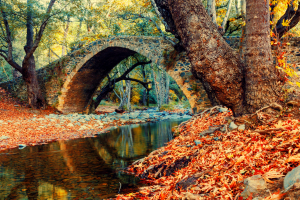
How Climate Shapes Outdoor Lifestyles in Cyprus

Cyprus enjoys approximately 340 sunny days annually, making it one of the sunniest locations in the Mediterranean. This exceptional weather creates a culture where outdoor activities dominate daily life year-round. The island experiences long, dry summers from mid-May to mid-October and mild winters from December to February. Shutterstock-com Average annual temperature on the coast reaches around 26 degrees Celsius during the day and 17 degrees at night. The warm season lasts about eight months, beginning in April and ending in November. This climate allows residents and visitors to maintain active outdoor lifestyles regardless of season. Why Cyprus Developed an Outdoor Culture The island sits at the crossroads of Europe, Asia, and Africa. Its position attracted ancient civilizations including Phoenicians, Greeks, Romans, Byzantines, Venetians, Ottomans, and British. Each culture adapted to the Mediterranean climate by organizing life around weather patterns. People worked early mornings before heat intensified, took midday breaks during peak temperatures, then resumed activities in cooler late afternoons. Ancient Greeks established the concept of symposia, outdoor gatherings for discussion and meals. Romans built open-air theaters and baths to take advantage of pleasant weather. Byzantine churches incorporated courtyards for outdoor worship. These historical patterns created traditions that continue today. The climate essentially forced outdoor living, and over centuries this necessity became cultural preference. The British colonial period from 1878 to…

Read more
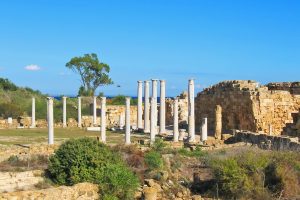
Salamis Gymnasium – History & Facts

Salamis Gymnasium – History & Facts

The Salamis Gymnasium stands as one of Cyprus's most remarkable ancient structures. Located just north of modern Famagusta on the eastern coast of Cyprus, this impressive complex reveals the sophisticated approach ancient civilizations took toward physical fitness and public bathing. Built over earlier Hellenistic foundations during the 2nd century AD, the gymnasium represents the pinnacle of Roman architectural achievement on the island. encyclopedia-com Salamis itself dates back to around 1100 BC. According to ancient Greek tradition, the city was founded by Teucer, son of King Telamon, after the Trojan War. Archaeologists believe the city was actually established by settlers from the nearby Bronze Age site of Enkomi following an earthquake in 1075 BC. The city benefited from Cyprus’ rich copper resources and quickly became a major trade center and the island’s capital. For nearly a thousand years, Salamis served as the main port and political center of Cyprus. Historical Background The gymnasium complex has witnessed multiple cycles of destruction and rebuilding. Archaeological evidence shows that a Hellenistic gymnasium originally stood on this site. This earlier structure was destroyed by an earthquake and rebuilt during the reign of Emperor Augustus. The building faced another catastrophe in 76 AD during the reign of Emperor Vespasian when another powerful earthquake struck the region. The gymnasium as we see it today was restored by…

Read more