When Cyprus became part of the Roman world, the island did not need to reinvent its relationship with the sea. Instead, Rome refined it. Over centuries, Roman engineers, administrators, and merchants transformed Cyprus into a carefully managed maritime province, one that linked eastern trade routes with the wider Mediterranean through ports, harbors, and logistics designed for permanence rather than improvisation.
- From Crossroads to System
- Engineering the Coastline
- Why Cyprus Mattered to Roman Trade
- Ports Designed for Different Roles
- Warehouses, Storage, and the Rhythm of Supply
- Copper, Wine, and the Island’s Economy
- Lighthouses, Beacons, and Navigation
- Order at the Water’s Edge
- Daily Life in a Port Province
- Survival Through Change
- Why Roman Maritime Cyprus Still Matters
From Crossroads to System
Cyprus had always sat between worlds. Long before Roman rule, ships traveling between the Levant, Egypt, Asia Minor, and the Aegean passed its shores. What changed under Rome was not geography, but organization.
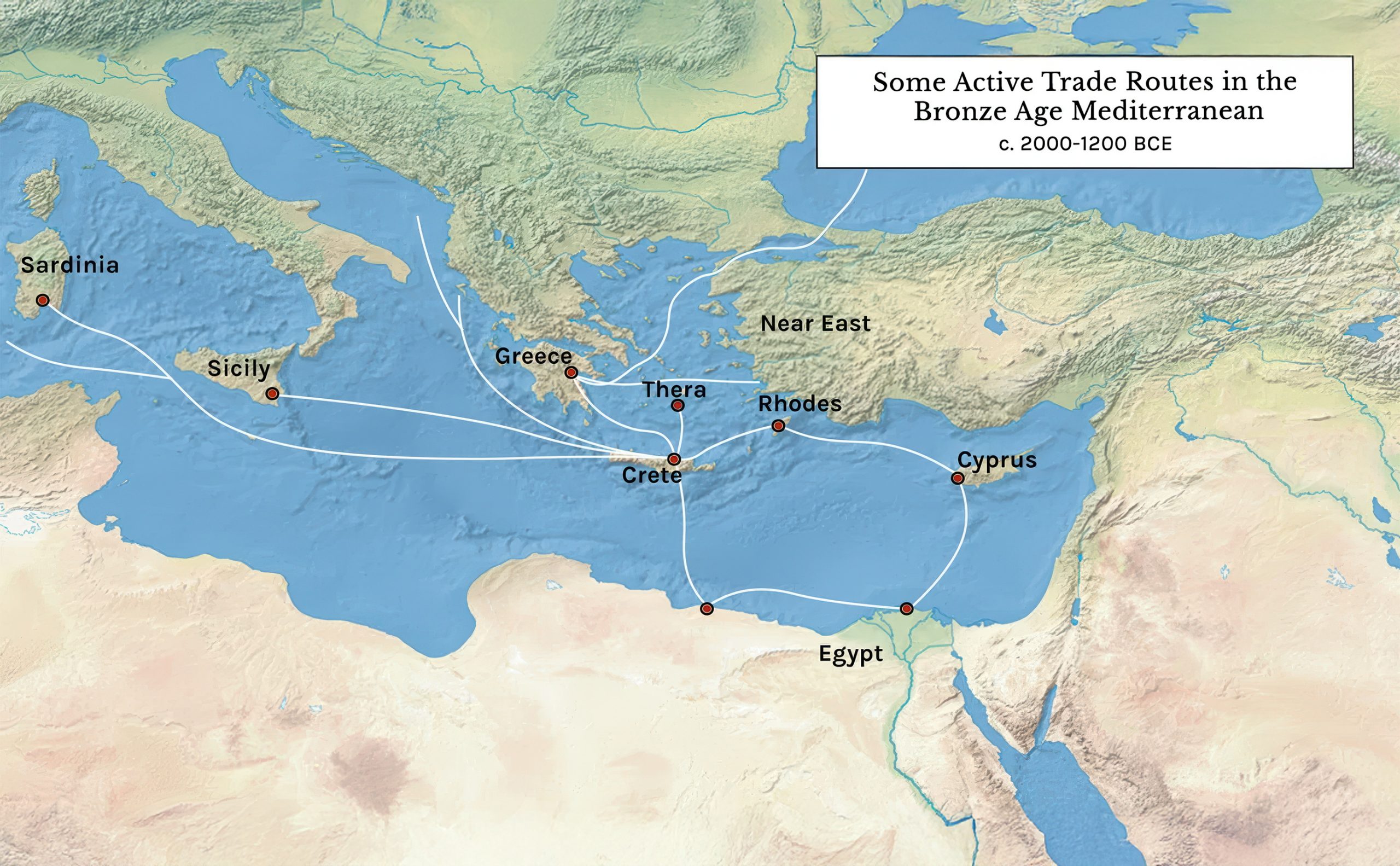
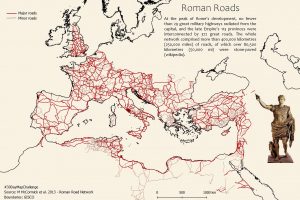
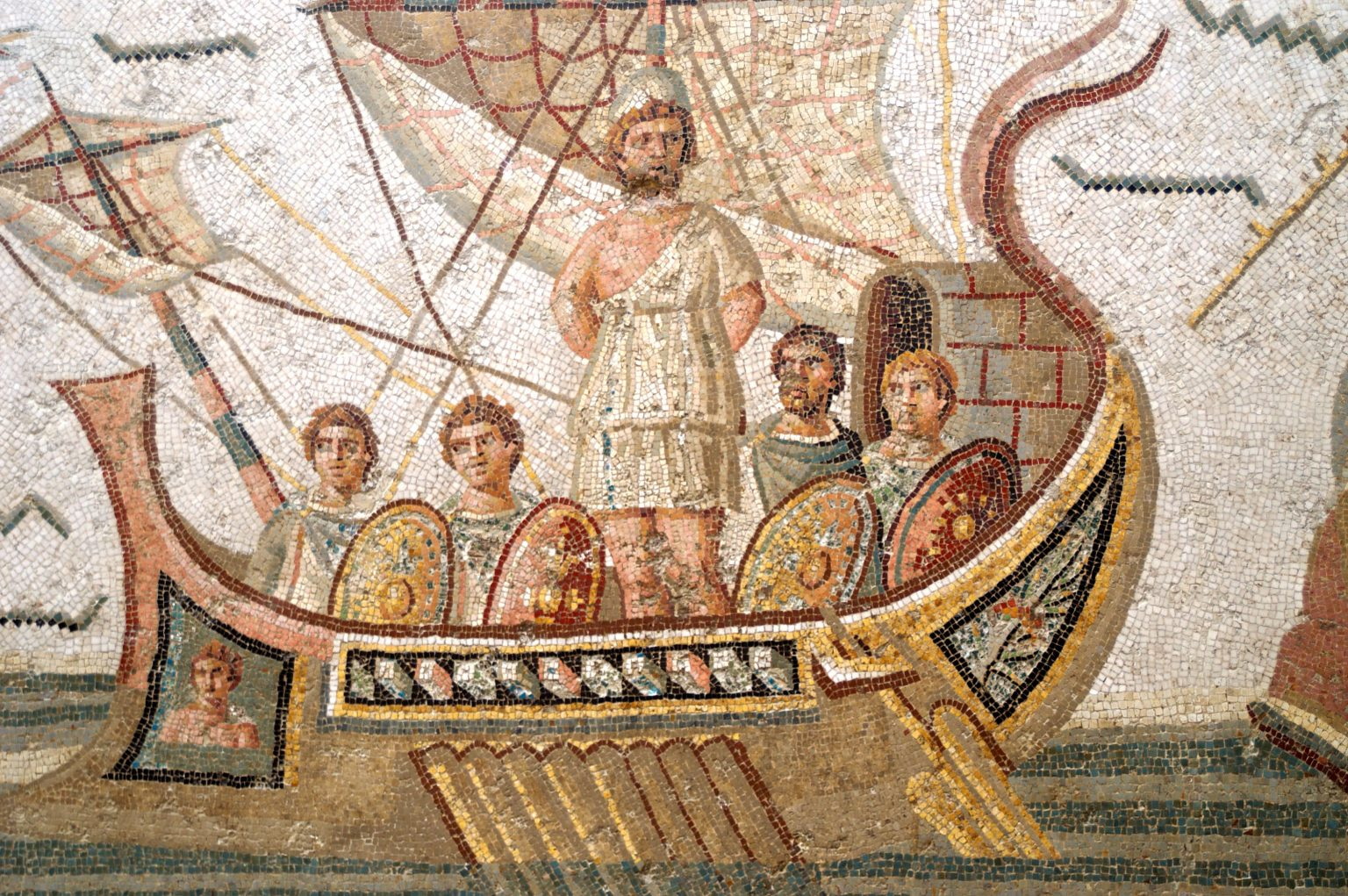
The Romans treated the sea as infrastructure. Ports were no longer just safe places to land. They became regulated environments, engineered to control movement, store goods, and support long-distance trade at scale. Cyprus, stable and centrally located, was perfectly suited to this vision.
Engineering the Coastline
Roman maritime power rested on the belief that nature could be improved. Where earlier cultures relied heavily on natural bays, Roman builders reshaped coastlines to suit imperial needs.
Artificial breakwaters extended into open water. Quays were reinforced to handle heavy cargo. Harbors were designed to remain functional across seasons, not only during calm months. These were not short-term solutions. Roman ports were built to last for generations.
On Cyprus, this approach created a hierarchy of ports, each serving a distinct purpose within the wider system.
Why Cyprus Mattered to Roman Trade
For Rome, Cyprus was not a remote island province. It was a logistical hinge.
Ships carrying grain from Egypt to the western Mediterranean relied on Cypriot ports as staging points and refuges. Trade vessels moving luxury goods from the Levant used the island as a redistribution hub. Smaller coastal craft connected inland agricultural regions to the sea.
This constant flow required reliability. Cyprus provided it.
Ports Designed for Different Roles
Roman Cyprus was not organized around a single dominant harbor. Instead, multiple ports worked together.
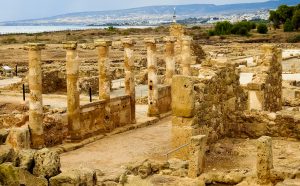
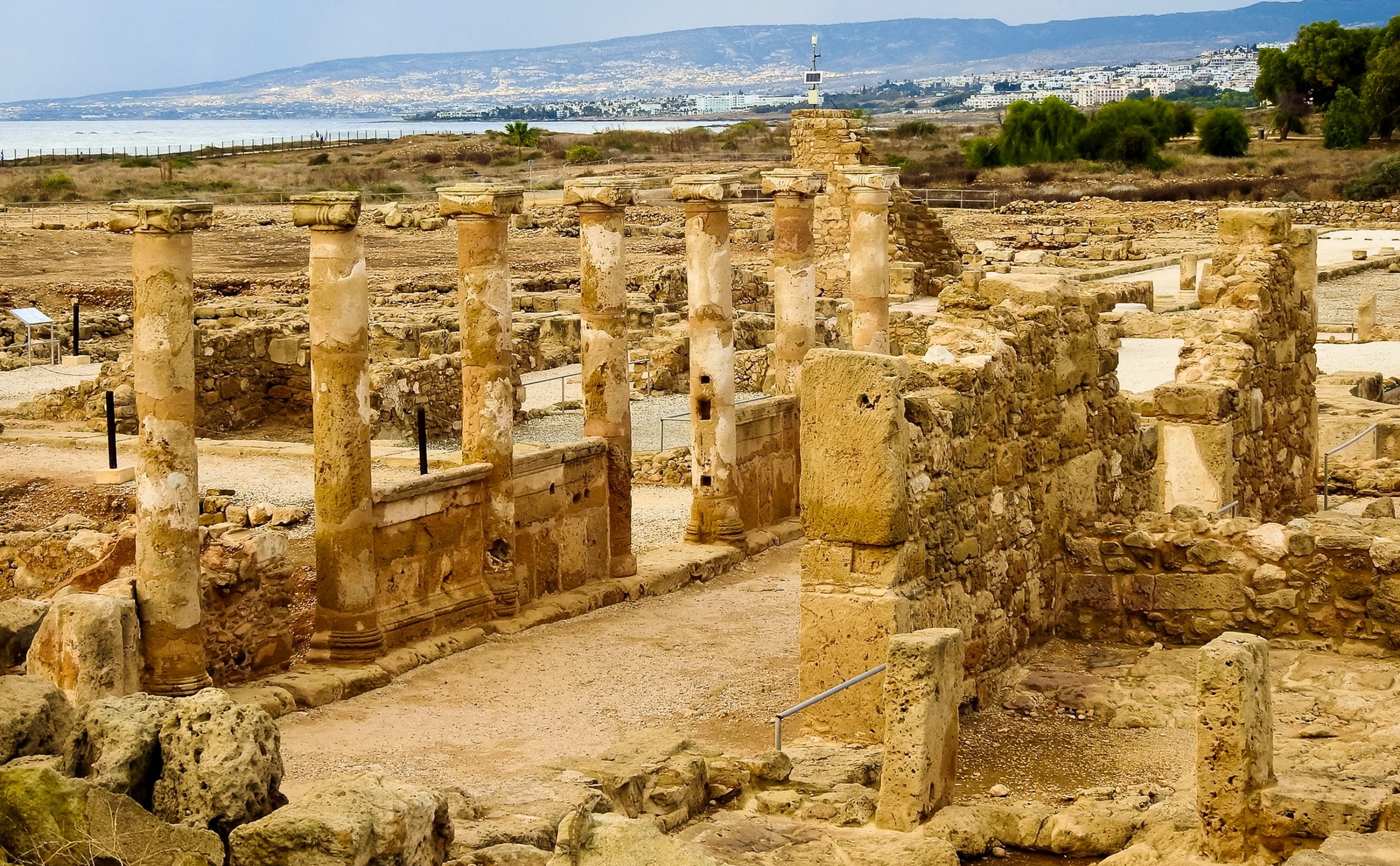
Nea Paphos served as the administrative heart of the island. Its harbor linked Cyprus directly to Rome’s western routes and housed the provincial governor. It was less about bulk trade and more about oversight, movement, and authority.
Salamis was the commercial engine. Its expansive shoreline and access to the fertile interior made it ideal for large-scale trade with Syria and Asia Minor. Wealth flowed through its port, shaping one of the most prosperous urban centers in the eastern Mediterranean.
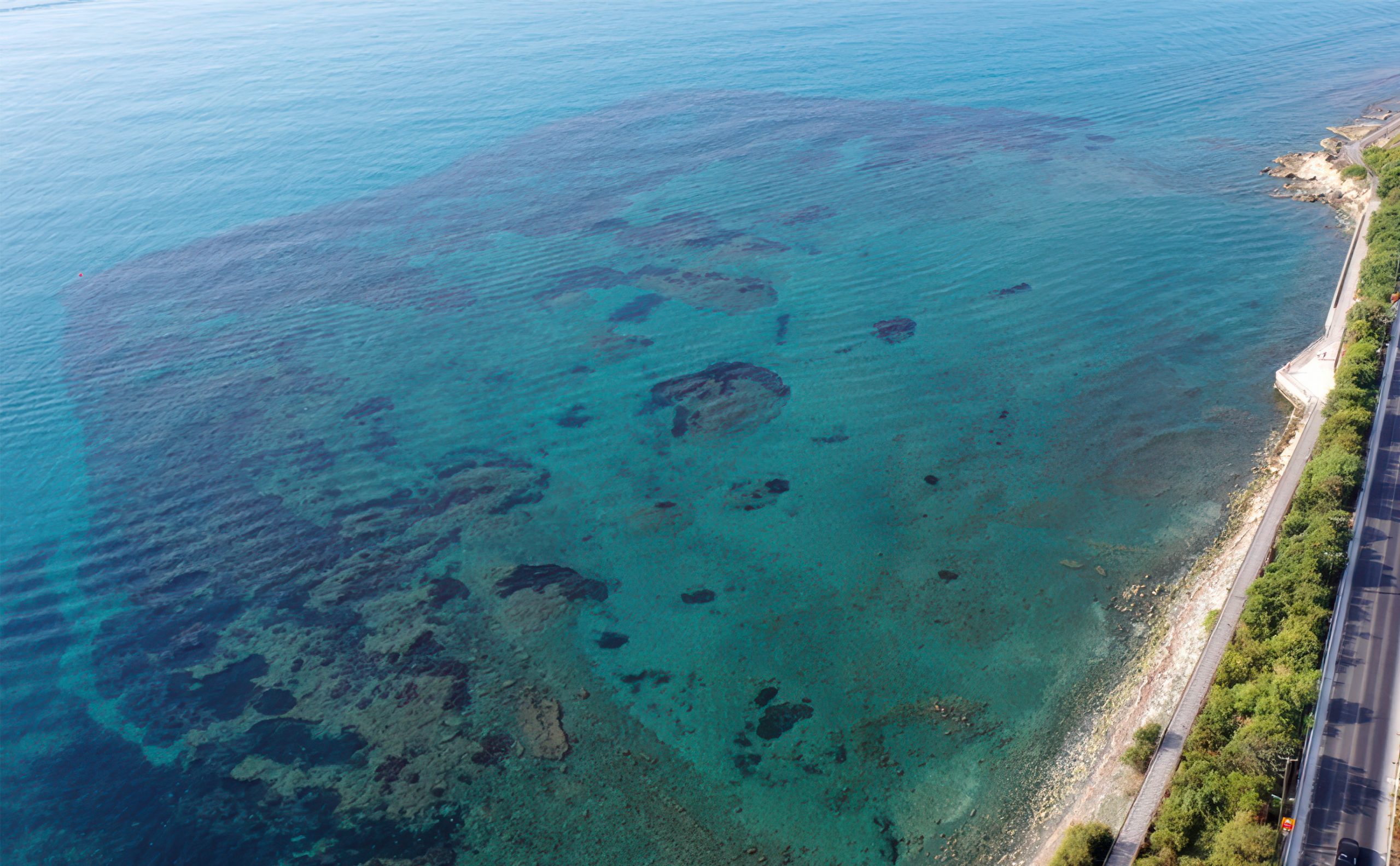
Amathus occupied a more controlled role. Its narrow harbor entrance made it defensible, suggesting use for strategic or naval purposes rather than open commerce. Today, its submerged breakwaters still trace the outline of Roman engineering beneath the sea.
Kition continued its long tradition as an industrial and trading port. Under Roman rule, it specialized in exporting processed goods and ceramics, maintaining links that stretched back centuries before Rome arrived.
Each port did something different. Together, they formed a network.
Warehouses, Storage, and the Rhythm of Supply
Shipping was only half the story. Storage made the system work.
Roman ports were lined with horrea, large stone warehouses designed to hold grain, copper, wine, oil, and imported goods. These buildings allowed ships to unload quickly and depart without delay. Goods could wait safely until transport inland or onward by sea was arranged.
This mattered most during grain transport. The Roman food supply depended on timing. Cyprus helped smooth that timing, acting as a buffer between harvest, shipment, and consumption.
Copper, Wine, and the Island’s Economy
Cyprus did not exist in the Roman economy only as a transit point. It produced valuable goods of its own.
Copper remained central. The metal was extracted from the Troodos Mountains and shipped through coastal ports, so important that the Latin word cuprum took its name from the island itself.
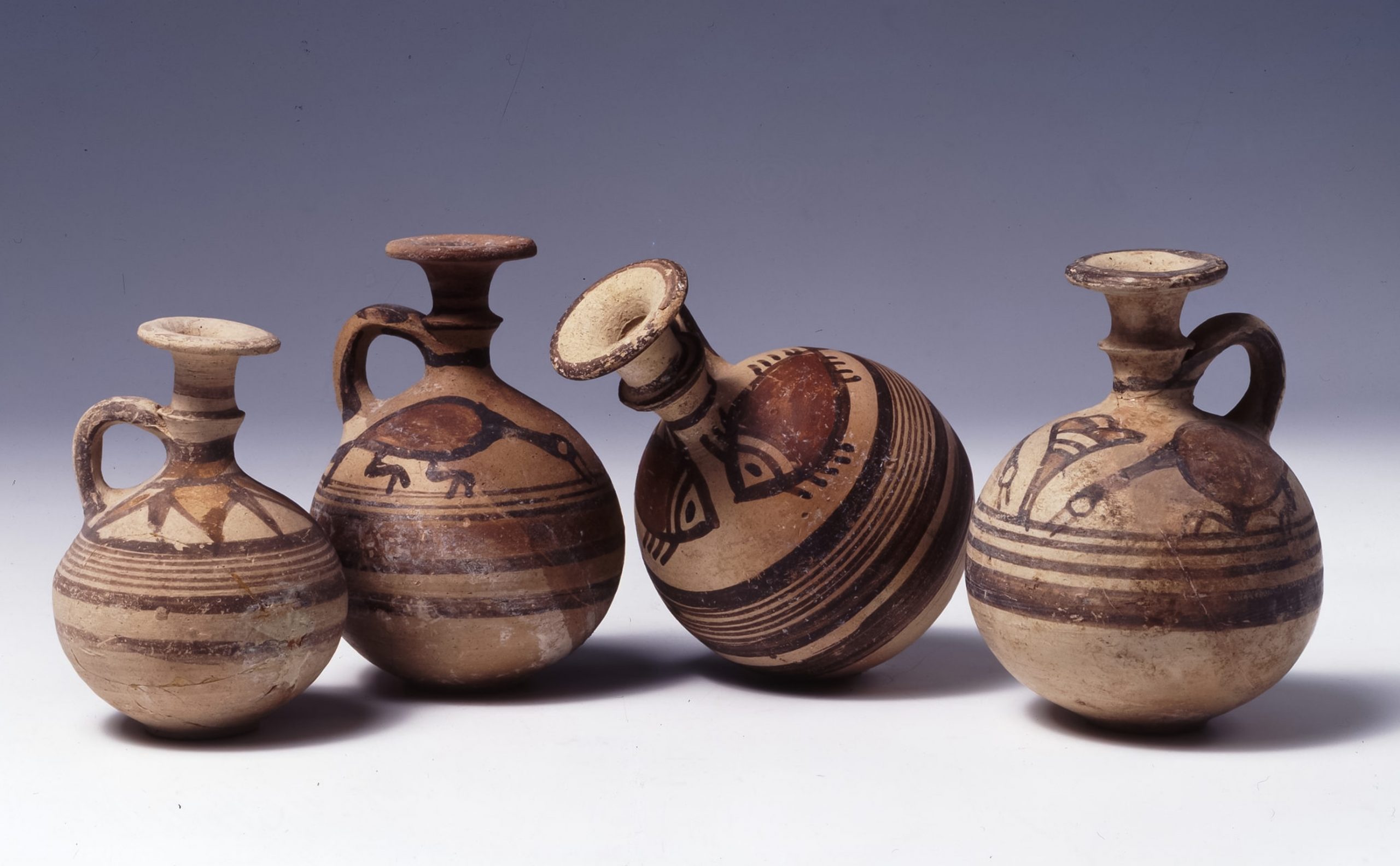
Wine and olive oil followed. Amphorae stamped with Cypriot origins have been found across the eastern Mediterranean, evidence of steady export rather than occasional trade.
Roman maritime infrastructure made this possible. Without reliable ports, inland production would have stalled at the coast.
Lighthouses, Beacons, and Navigation
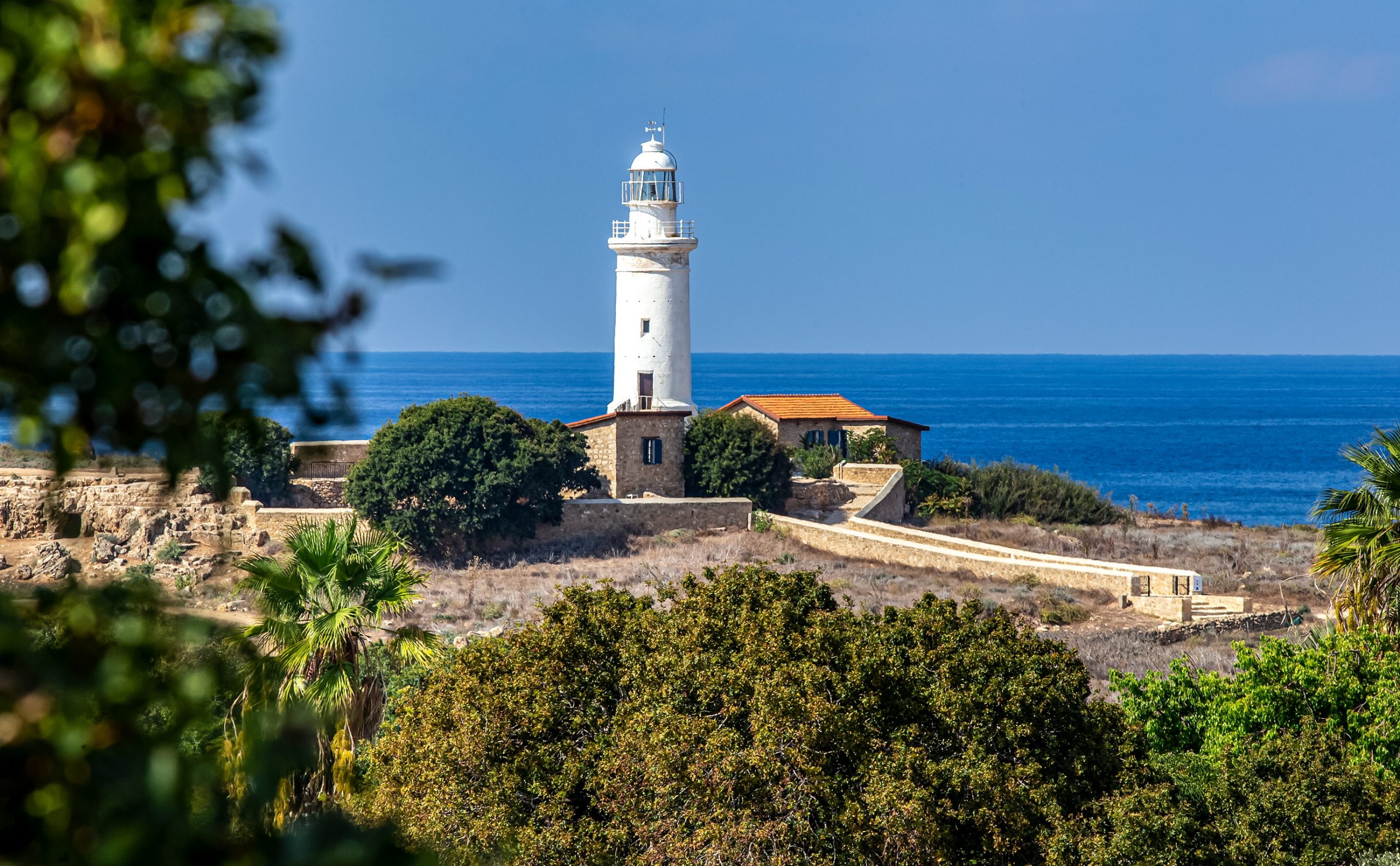
Roman sailors did not sail blindly. Navigation relied on visibility, landmarks, and light.
Lighthouses marked harbor entrances and dangerous stretches of coast. Smaller beacon fires guided ships toward safe anchorages. Together, these formed a visual language that allowed night sailing and poor-weather approaches.
On Cyprus, such markers were essential. The island’s position meant ships arrived from multiple directions, often after long open-sea crossings. Orientation mattered.
Order at the Water’s Edge
Roman ports were controlled spaces. Officials monitored arrivals and departures, collected customs duties, and enforced regulations. Security was maintained not only by soldiers, but by routine and visibility.
This administration ensured that trade remained predictable. Pirates were discouraged. Merchants could calculate risk. Ports became places of trust as much as exchange.
Daily Life in a Port Province
Ports shaped culture as well as commerce.
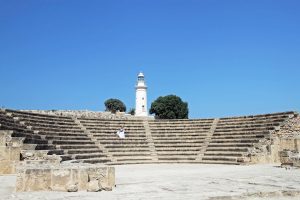
Coastal cities became cosmopolitan spaces where languages, customs, and beliefs mixed. Sailors, merchants, dockworkers, and officials shared streets, markets, and taverns. Public buildings such as baths, theaters, and temples grew alongside docks and warehouses.
Life followed maritime rhythms. The arrival of fleets changed the pace of entire cities. When ships came, everything moved.
Survival Through Change
Earthquakes, storms, and political shifts did not end Roman Cyprus’s maritime role. When disaster struck, ports were rebuilt. When rulers changed, infrastructure remained.
Even after Roman authority faded, medieval and modern settlements reused ancient harbors, often without realizing how old their foundations were. In many places, today’s coastlines still follow Roman outlines.
Why Roman Maritime Cyprus Still Matters
Roman Cyprus matters because it shows how infrastructure shapes identity. The island did not dominate the Mediterranean through force alone. It did so by being dependable.
Ports that worked. Routes that connected. Systems that endured.
Cyprus became indispensable not because it stood at the center of the map, but because it made movement possible. That legacy continues. Even now, the island remains oriented toward the sea, shaped by centuries of building, sailing, storing, and connecting.