Nicosia Central Prison stands as a poignant symbol of Cyprus’s colonial past and the island’s struggle for independence, evolving from a British-built facility for maintaining order to a site of resistance and remembrance. Constructed in the late 19th century under British rule, this prison in the heart of Nicosia served as the primary detention center for criminals, dissidents, and political prisoners, reflecting the empire’s efforts to control a strategically vital Mediterranean outpost. Later, during the mid-20th century Cyprus Emergency, it became synonymous with the anti-colonial fight led by EOKA fighters, who faced imprisonment, torture, and execution within its walls. As the only operational prison in the Republic of Cyprus today, parts of it have been preserved as a museum honoring those who resisted British authority, highlighting themes of repression, resilience, and national identity. This institution underscores Cyprus’s complex history, where colonial architecture and punitive systems intersected with the rise of nationalism, shaping the island’s path to sovereignty and continuing to evoke reflections on justice and memory in a divided nation.
A Key Colonial Institution
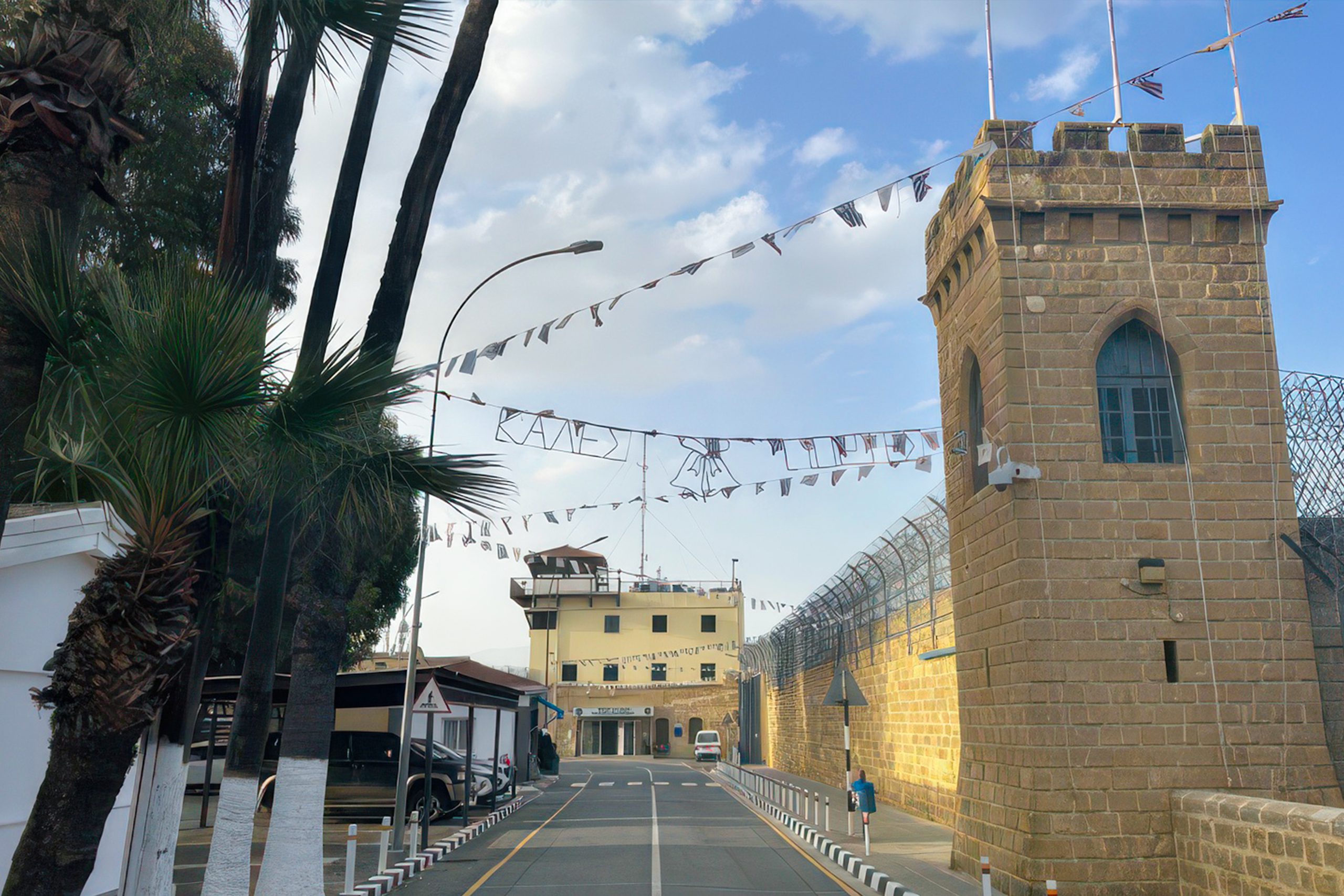
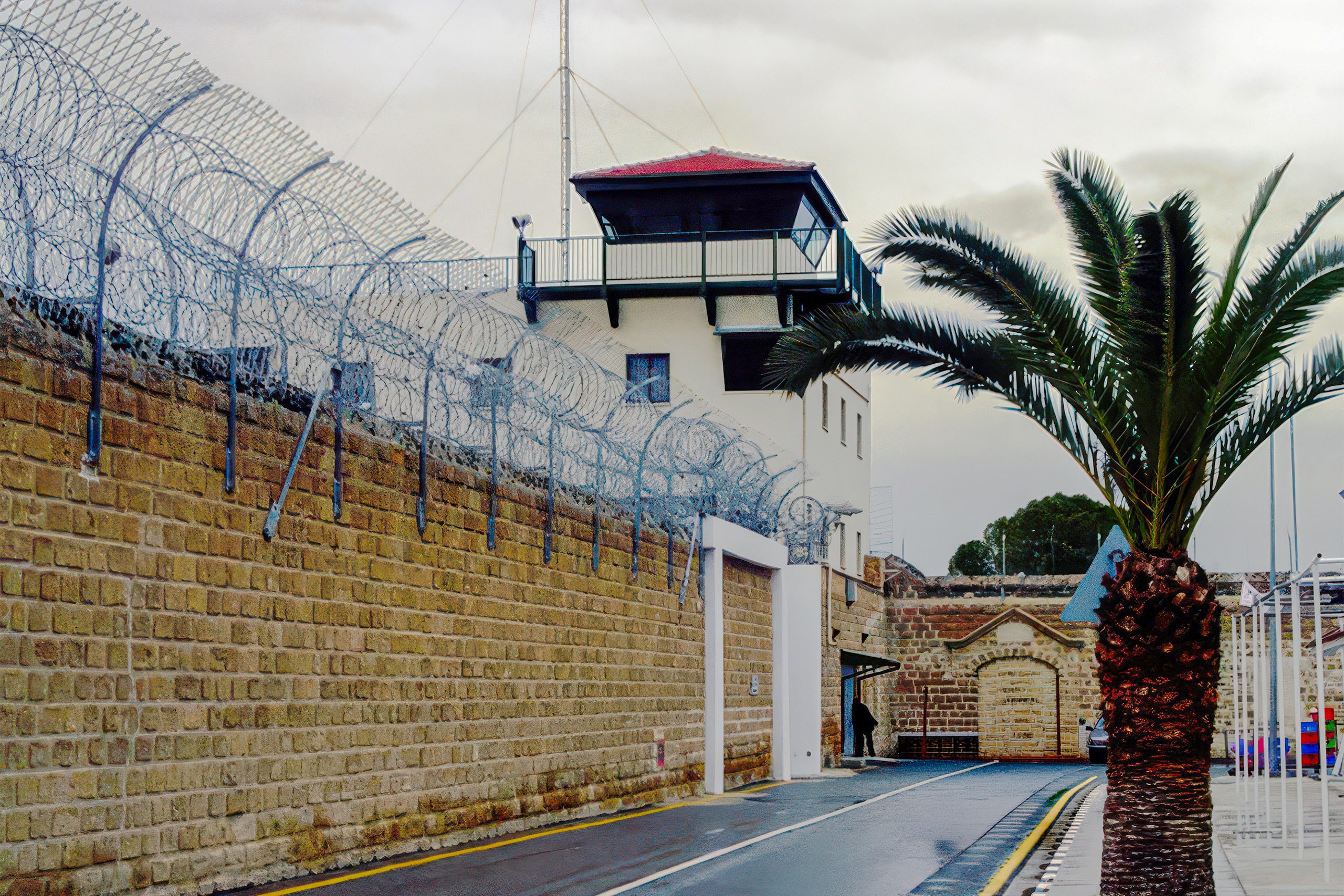
Nicosia Central Prison, nestled in the capital’s urban fabric, emerged as a cornerstone of British colonial governance, designed to enforce law and order while suppressing dissent in a territory acquired from the Ottoman Empire in 1878. Spanning several hectares with fortified walls and watchtowers, the prison’s Victorian-era design emphasized isolation and punishment, housing inmates in segregated cells amid the island’s semi-arid climate, where temperatures ranged from mild 15°C winters to scorching 35°C summers.
Initially holding around 620 prisoners, it quickly became overcrowded, symbolizing the administration’s challenges in managing a diverse population of Greek Cypriots, Turkish Cypriots, and others. The facility’s role extended beyond mere incarceration; it embodied imperial control, detaining those convicted under colonial courts for crimes ranging from theft to sedition.
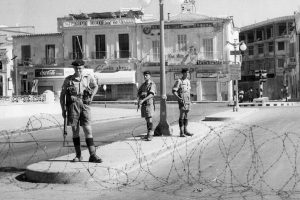
During the 1950s Cyprus Emergency, it transformed into a bastion of anti-colonial resistance, where EOKA members were held, interrogated, and executed, turning the prison into a focal point of nationalist fervor. Political imprisonment here involved harsh conditions, including solitary confinement and forced labor, aimed at breaking the spirit of those seeking enosis with Greece.
The prison’s dual function as a tool of repression and a catalyst for rebellion drew international attention, with protests in Greece and appeals for clemency highlighting its significance in the broader decolonization movement.
The Historical Formation and Evolution
The prison’s origins date to 1894, when the British colonial administration constructed it as Cyprus’s first purpose-built correctional facility, replacing makeshift Ottoman-era detentions. Funded by imperial revenues from the island’s resources like copper and agriculture, its establishment formalized the justice system under British rule, which began in 1878 via the Cyprus Convention.
Early on, it housed common criminals and minor political offenders, but by the interwar period, it detained figures like Bishop Leontios of Paphos in trials reflecting tensions between the church and colonial authorities. The 1940s saw the incarceration of communist AKEL members during their period of illegality, foreshadowing its role in suppressing leftist and nationalist movements.
The pivotal evolution occurred during the Cyprus Emergency from 1955 to 1959, when Governor John Harding used it to hold EOKA fighters amid a guerrilla campaign against British forces. Executions began in 1956, with nine hangings carried out by British executioners, including Michalakis Karaolis and Andreas Dimitriou on May 10, prompting widespread protests. To quell unrest, bodies were secretly buried within the prison in the Imprisoned Graves.
Post-independence in 1960, the Republic of Cyprus retained the facility, executing three more individuals in 1962 before abolishing capital punishment. The 1974 Turkish invasion divided the island, but the prison remained in the Republic, facing overcrowding and modernization efforts.
Excavations and surveys by the Department of Antiquities in the 20th century preserved historical sections, turning parts into a museum by the 1980s. Climate change impacts, with warmer temperatures since 1960 exacerbating structural wear, have prompted ongoing restorations.
Features of the Prison
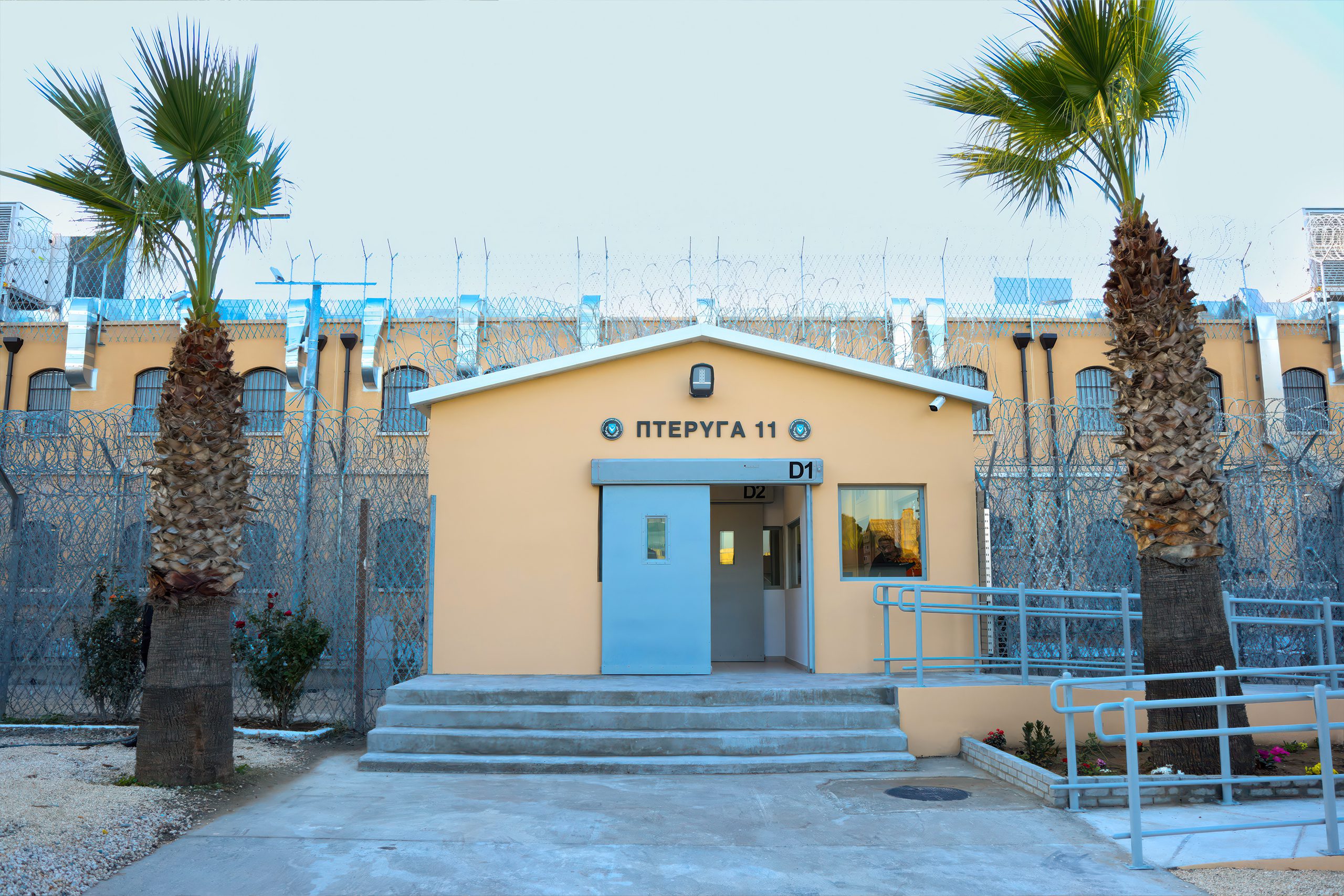
The prison’s architecture features thick limestone walls, watch posts, and segregated wings, designed for security in an earthquake-prone region, with original cells measuring about 2 by 3 meters for solitary confinement.
Key elements include the condemned cells, narrow and dimly lit, where political prisoners awaited execution, and the gallows room, preserved with original mechanisms. The Imprisoned Graves, a small enclosed cemetery, hold the remains of 13 EOKA members, marked by simple headstones inscribed with names and dates, serving as a memorial site.
Workshops for inmate labor, medical facilities, and administrative blocks reflect its operational evolution, while expansions in the 20th century added capacity amid overcrowding.
During colonial times, features like interrogation rooms facilitated harsh tactics, including reported torture, while post-independence reforms introduced rehabilitation programs. The site’s topography, on flat urban land, allowed for easy expansion but contributed to sanitation issues in hot summers.
Political imprisonment involved psychological pressures, such as isolation from family, contrasting with modern amenities like educational classes. The museum section displays artifacts like prisoner uniforms, documents, and photos, providing a narrative of resistance.
Notable Aspects That Highlight Its Uniqueness
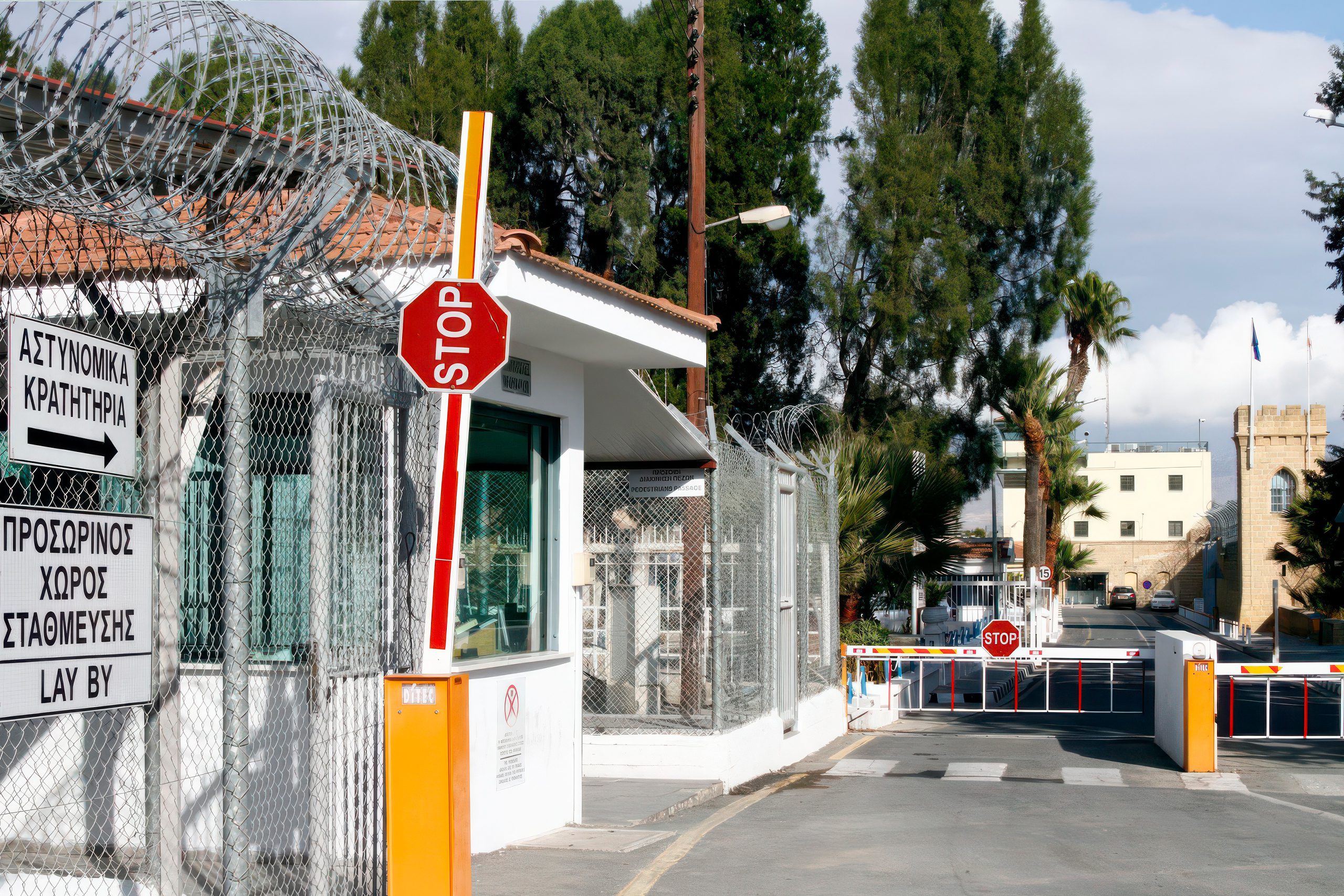
One captivating feature is the Imprisoned Graves, Cyprus’s most revered memorial to anti-colonial martyrs, where secret burials prevented public funerals but later became a pilgrimage site, drawing thousands annually.
The prison holds the record as the island’s only execution site under British rule, with nine hangings symbolizing colonial brutality.
Rare artifacts include the gallows, one of the few preserved in Europe, and personal items from EOKA fighters like Evagoras Pallikarides’s poetry, evoking youthful idealism.
Legends claim the graves’ secrecy fueled ghostly tales among guards, tying to folklore in texts like hagiographies of resistance heroes. Adaptations include the prison’s dual role as active facility and museum, studied for its penal history, with annual commemorations on execution dates.
Excavations reveal Ottoman-era foundations beneath, adding layers to its story. The site’s solemn atmosphere, with echoing corridors, creates immersive experiences, photographed for documentaries on decolonization.
Deeper Social and Political Impacts for Cyprus
This prison profoundly shaped Cyprus’s social fabric, serving as a tool for colonial control that deepened ethnic divisions and fueled nationalism, reducing intercommunal trust by institutionalizing repression.
It supported resistance networks, with inmates like EOKA members smuggling messages, aiding the independence movement. This fostered political webs: executions galvanized international support, protests united communities, and memorials enriched national identity.
Socially, it influenced justice reforms, providing livelihoods for staff while highlighting human rights issues through overcrowding reports.
The site’s balance sustained its role amid conflicts, hosting diverse prisoners, but emergencies risked abuses, per EU predictions of ongoing challenges by 2100.
Human impacts include British expansions preserving Victorian elements, as in archaeological studies. The urban location nurtured community activism, symbolizing resilience in political narratives.
Nicosia Central Prison in Cyprus Today
As of 2026, Nicosia Central Prison remains Cyprus’s sole correctional facility, housing over 1,000 inmates amid efforts to address overcrowding through expansions.
Climate change alters conditions, with hotter summers since 1960 straining resources by 15%.
Heritage faces threats from urbanization, countered by Antiquities protections since 2010, boosting museum access by 20%.
Modern adaptations include rehabilitation programs and virtual tours, increasing awareness by 25%.
This institution shapes identity, with events like EOKA Remembrance Day honoring resistance, blending history with contemporary justice debates.
Opportunities for Exploration
Prison museum tours offer grave and gallows viewing, open year-round with €3 entry.
Guided history sessions by Cyprus Tourism cost €15–20 for artifact insights.
Winter visits include eco-walks in January, no fee.
Spring commemorations in May pair with Nicosia stays for depth.
Online cams provide remote access.
An Institution of Colonial Legacy and Resistance
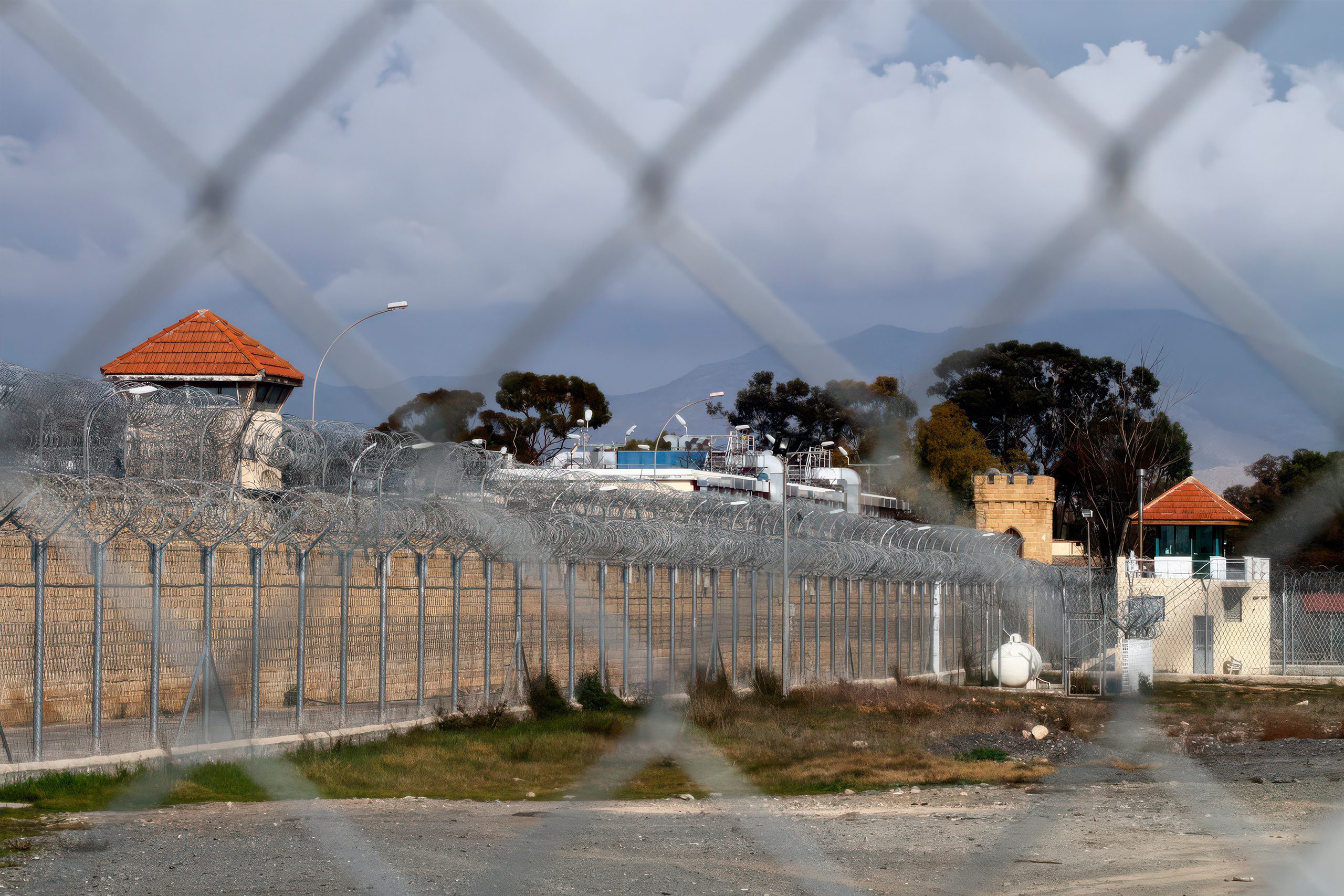
Nicosia Central Prison (British-built), a key colonial institution, later associated with anti-colonial resistance and political imprisonment, defines Cyprus’s historical diversity.
This pattern’s balance has fostered unique narratives and human endurance, from colonial myths to modern challenges.
Knowing it deepens appreciation for Cyprus as a resilient haven of memory.
Engagement with its cells or graves evokes wonder at history’s struggles.
In a changing climate, it reminds of the need to safeguard this delicate balance.