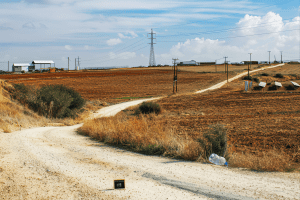
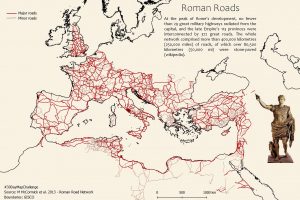
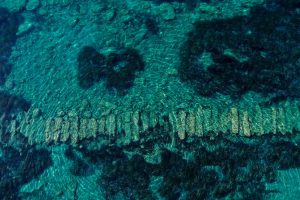
Nea Paphos occupies a coastal plain on the southwestern shore of Cyprus, adjacent to the modern city of Paphos. Founded in the 4th century BC by Nikokles, the last king of nearby Palaipaphos, Nea Pafos then went from strength to strength, particularly under the Ptolemaic kingdom from the 3rd century BC. The city was located on a peninsula surrounded by a natural bay and between the two small hills called Fanari and Fabrika.
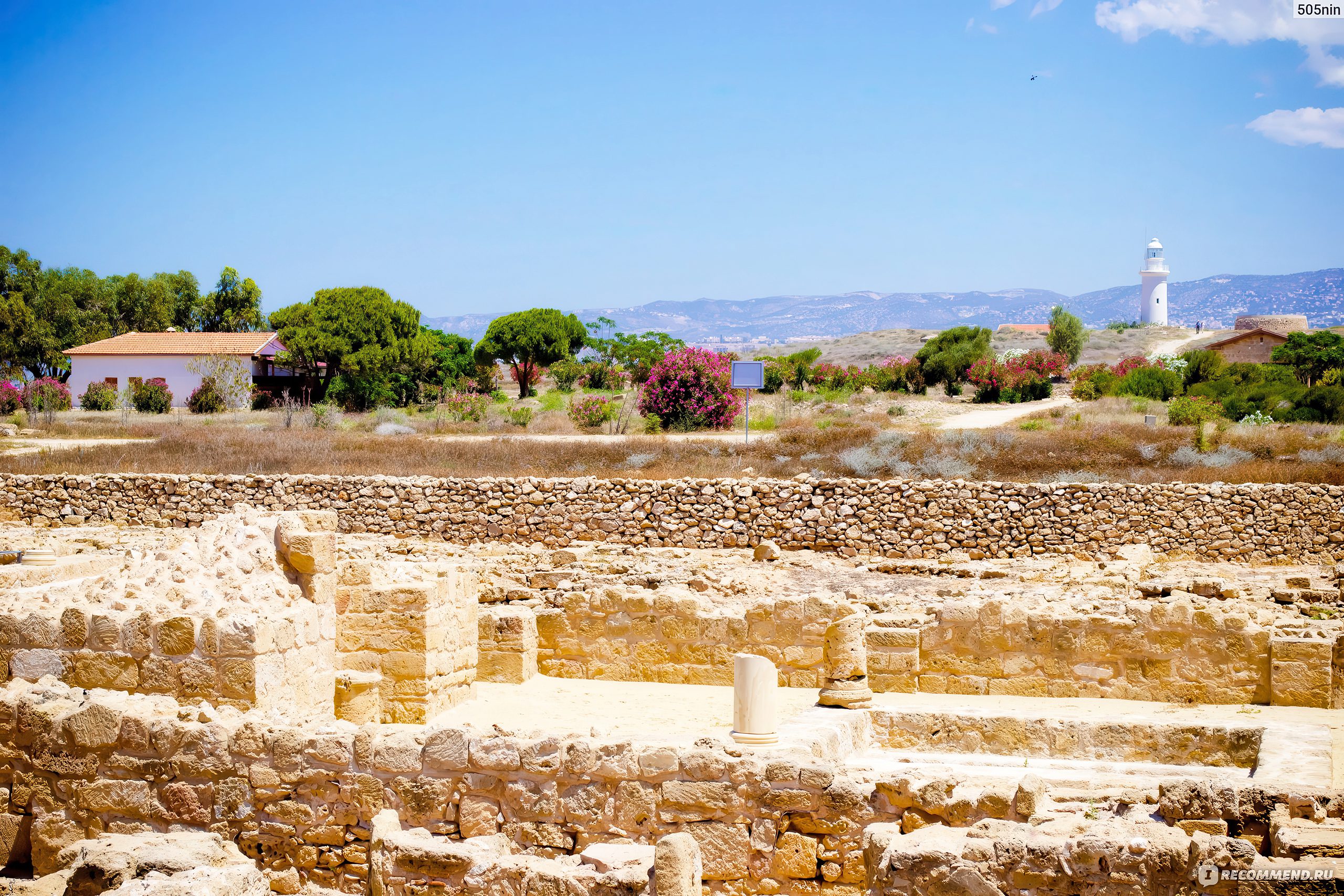
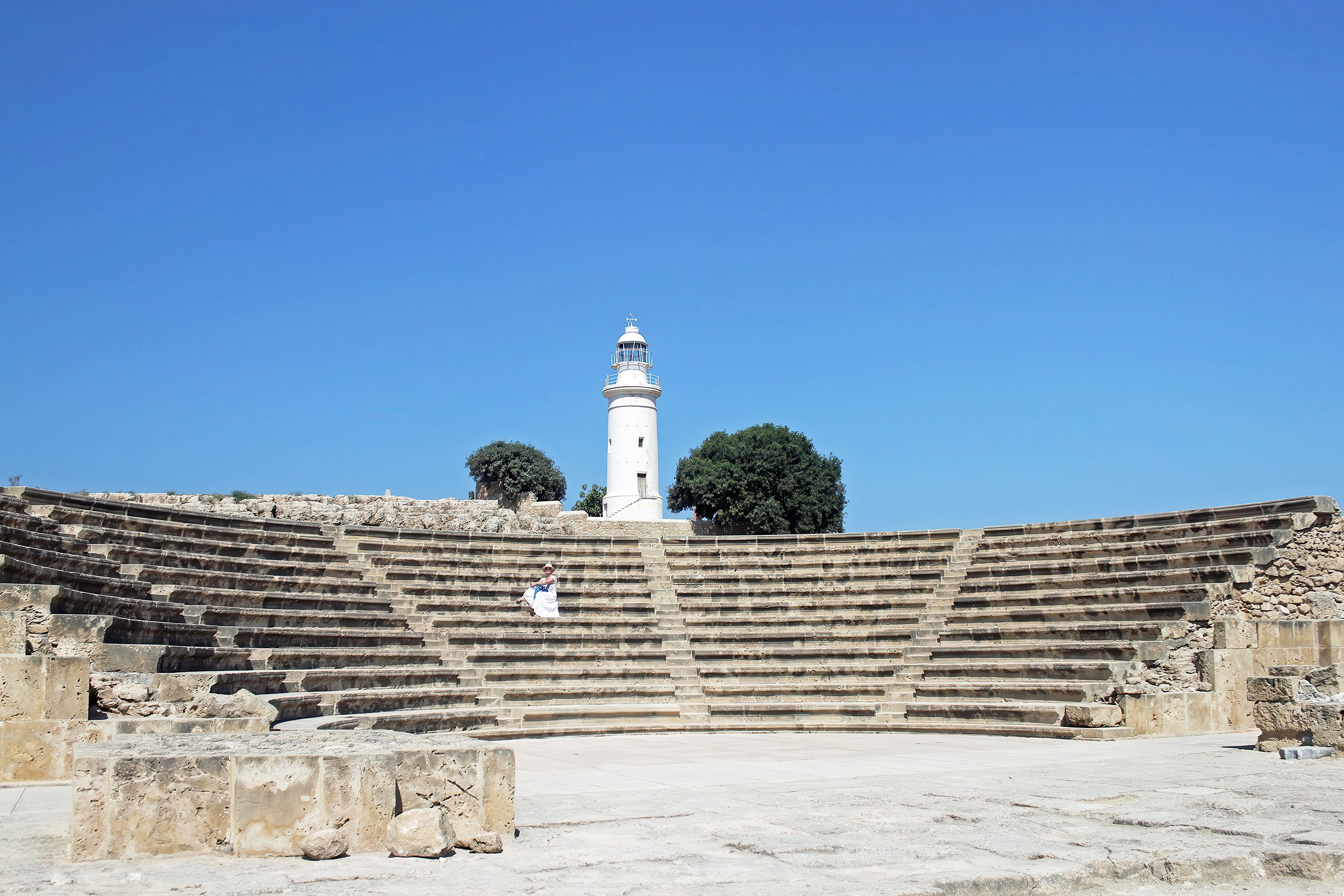
Nea Paphos was founded at the turn of the 4th and 3rd century BC as an important harbour located on the sea trade route from Rhodes to Alexandria. Thanks to its strategic location, from the 2nd century BC Nea Paphos became the capital of Cyprus and the seat of the strategos, general managing the island. The site preserves remains of villas, palaces, theaters, and tombs that span from the Hellenistic period through the Byzantine era, making it one of the Mediterranean’s most significant archaeological areas.
- Historical Background
- Earthquakes That Reshaped the Capital's Destiny
- The World Famous Roman Villa Mosaics
- Three More Magnificent Houses Tell Their Stories
- The Monumental Tombs of the Kings Necropolis
- The Apostle Paul and Early Christianity in Cyprus
- Planning Your Visit to the Archaeological Park
- Why Nea Paphos Defines Ancient Cyprus
Historical Background
Thanks to the extensive and modern port and access to cider wood from the nearby forests, Nea Paphos became a base of Ptolemaic navy and a military garrison made up of mercenaries was stationed here. The multicultural character of the city was probably complemented by many sailors and merchants, but also by pilgrims who, through the eastern city gate, set out on a processional path through the holy gardens of Aphrodite at Geroskipu towards the world famous sanctuary of the goddess in Old Paphos.
In 58 BC Cyprus was incorporated to the Roman province of Cilicia with the permission of Ptolemy XII, the ruler of Egypt, who sought the support of the Roman Senate. The executor of Rome’s will was Cato the Younger, and despite the guarantees of preserving privileges and personal inviolability, Ptolemy did not agree to the Roman conditions and committed suicide.
His fortune, sold at auction, brought Rome a colossal sum of 7,000 talents. Since 22 BC Cyprus became a province of the Roman Senate governed by a proconsul. One of them, Sergius Paulus, is known from the Acts of the Apostles. Roman Paphos reached its golden age under the Severan dynasty and it is attested that there was an imperial cult to Septimius Severus.
Earthquakes That Reshaped the Capital’s Destiny
New Paphos grew as a port city and commercial center until being destroyed by a massive earthquake in 15 BC. The city was rebuilt with funds sent by the Roman Emperor Augustus, and the city became known as Augusta in his honor, though this name has been preserved in inscriptions but never supplanted the ancient one in popular use.
Cyprus is located on the border of tectonic plates, and earthquakes struck the Paphos region three more times during the Roman Period in 77/76 AD, 126 AD, and twice in the 4th century AD. A magnitude 7 earthquake that left Salamis and Paphos in ruins occurred in 332 or 333 AD. In 342 AD a magnitude 10 earthquake struck Paphos and Salamis, destroying the cities.
The numerous destruction and reconstruction of the city with the frequent re-use of the same building materials resulted in a very complex arrangement of cultural layers discovered by archaeologists today. It was around this time, in 346, that the capital was transferred back to Salamis. By the time of Arab raids in the 7th century, Paphos had already lost much of its former glory.
The World Famous Roman Villa Mosaics
The breakthrough in archaeological interest came with the accidental discovery of mosaics decorating a large villa from Roman times, the so-called House of Dionysus, in the 1960s. The House of Dionysos is an exceptionally rich villa which occupies 2,000 square meters of which 556 square meters are covered with mosaic floors decorated with mythological, vintage and hunting scenes.
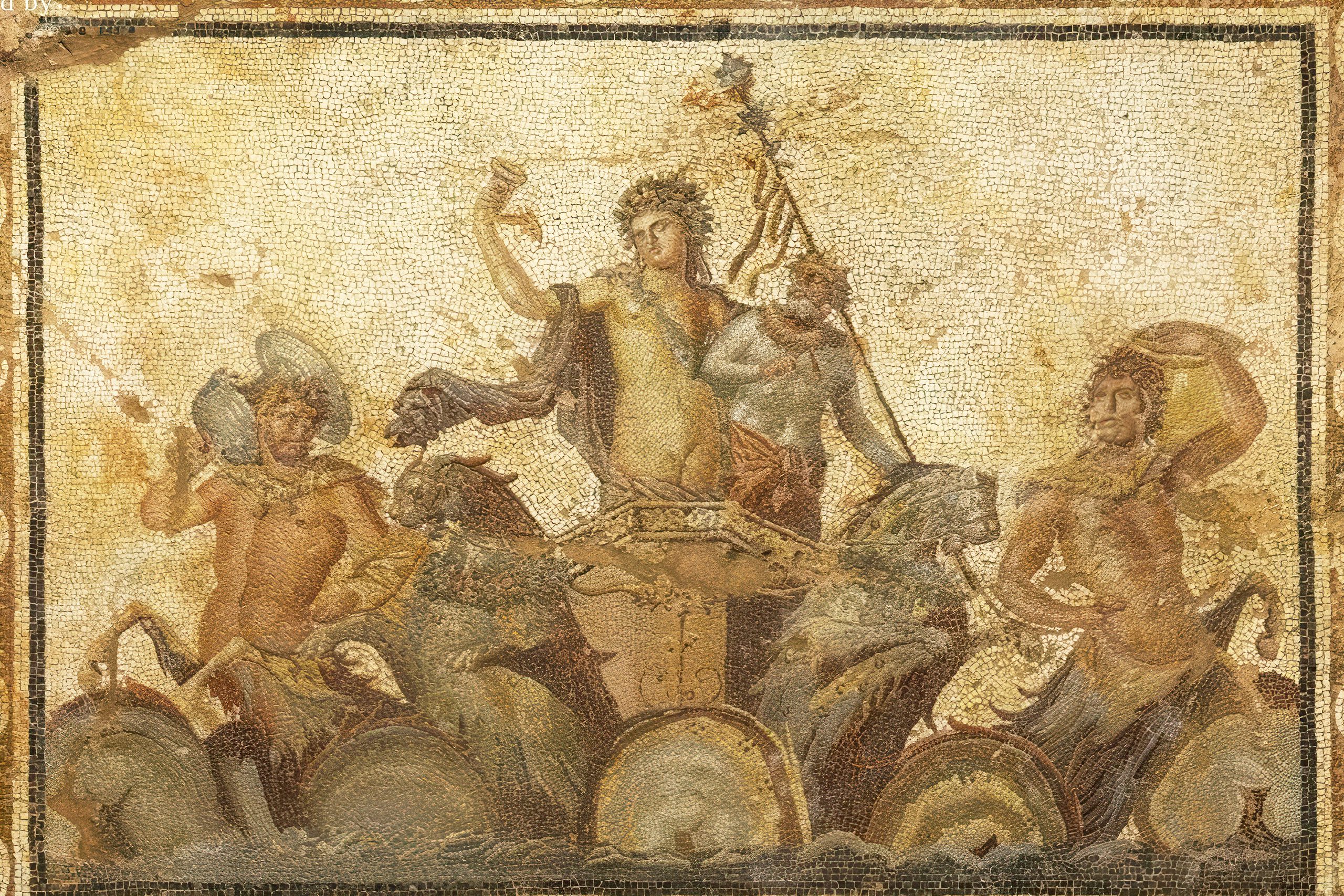
It was built at the end of the 2nd century AD and was destroyed and abandoned after the earthquakes of the 4th century. The house consists of a peristyle atrium with a garden pool and about forty rooms on all sides, with all the communal rooms and halls around the atrium paved with mosaic floors.
The most notable mosaic shows Dionysos on a chariot counseling the nymph Akme and drinking wine, while other mosaics depict mythological, hunting and vintage scenes. A Hellenistic pebble mosaic representing the mythical sea-monster Scylla from an earlier villa of the 3rd century BC which was found below the Roman villa is on display on site. This older mosaic is the oldest in Cyprus and demonstrates the continuity of artistic traditions.
Three More Magnificent Houses Tell Their Stories
Archaeological investigations have uncovered four major Roman villas, the Houses of Dionysos, Aion, Theseus, and Orpheus, each distinguished by elaborate mosaic floors depicting mythological narratives and scenes of daily life. The House of Theseus is an exceptionally large villa and was the residence of the Roman proconsul or governor, divided between rooms for official functions and those for private use.
It was built in the 2nd half of the 2nd century AD over ruins of earlier houses and was occupied until the 7th century AD. So far more than 1,400 square meters of mosaic pavement have been found within the building. In 1983, a large mosaic with a depiction of Aion, the god of time and eternity, was discovered in a house which became known as the House of Aion.
The overall decoration of the floor indicated that this room should be considered as a dining room where the meal could be a pretext for discussion of multiple topics among the hosts. The mosaic is split into five panels, depicting Leda and the Swan, a child Dionysus, a beauty competition between Cassiopeia and the Nereids, the punishment of Marsyas, and in the center, a depiction of Aion.
The Monumental Tombs of the Kings Necropolis
Set some two kilometers northwest of the Paphos Harbor overlooking the Coral Bay beach, the Tombs of the Kings are hardly visible from afar. The tombs are cut into the native rock, and at times imitated the houses of the living. The tombs, many of which date back to the 4th century BC, are carved out of solid rock, and are thought to have been the burial sites of Paphitic aristocrats and high officials up to the third century AD.
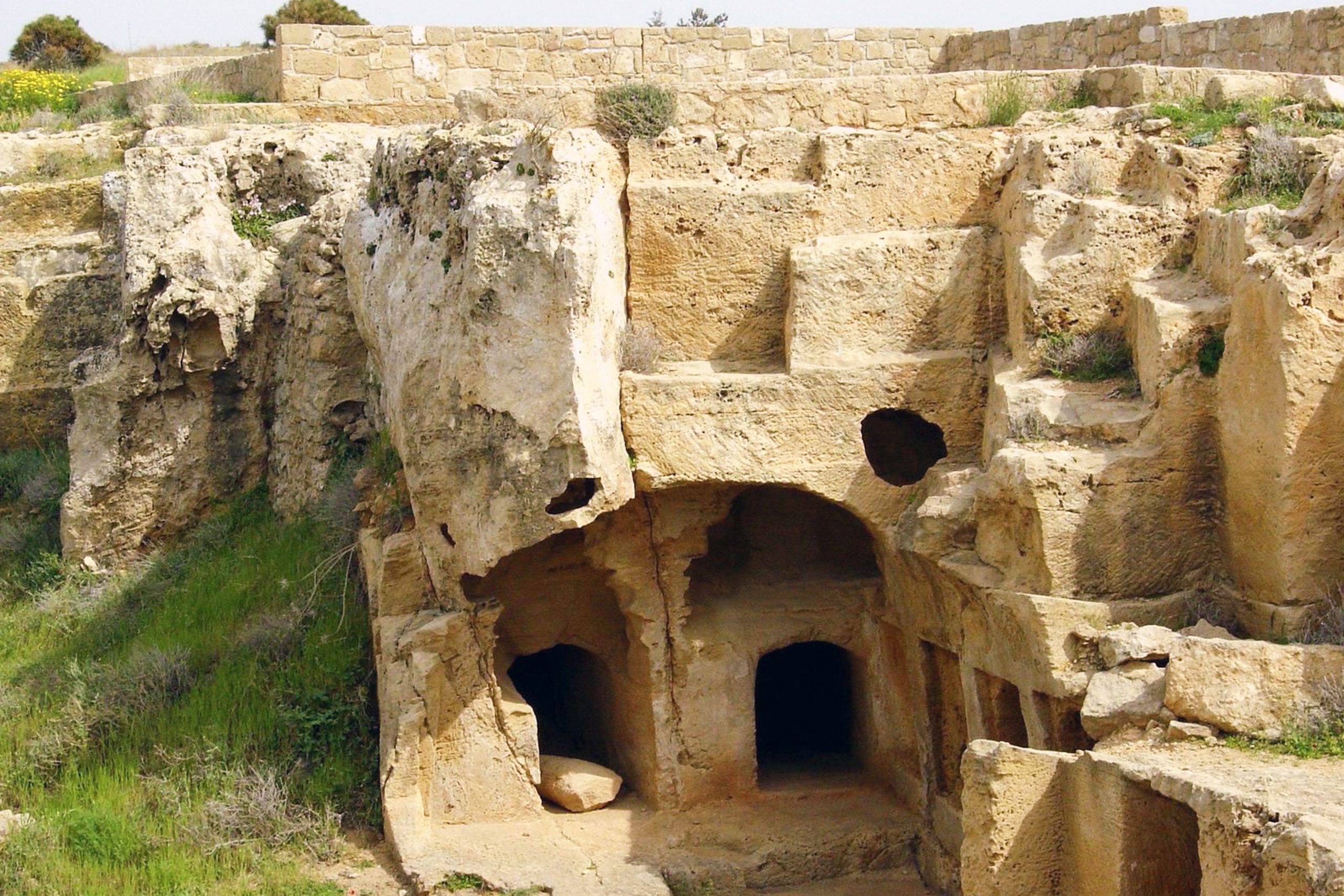
The word Kings references only the magnificence of the tombs, as no kings were actually buried here. They consist of a central underground rectangular or square peristyle courtyard with Doric columns or pillars supporting a decorated tower with triglyphs and metopes. Around the courtyard there are buried chambers, the walls of which have carved funeral pockets.
In most of the tombs, an internal well is still preserved, which was for operational purposes and was of symbolic character, as its water referred to ancient Greek posthumous perceptions that the souls of the dead passed into the world of the dead through the river Acheron. It is believed that the architecture of the Tombs of the Kings was inspired by the Hellenistic necropolises of Alexandria, Delos, Pergamon, and Priene.
The Apostle Paul and Early Christianity in Cyprus
According to the biblical Acts of the Apostles, after landing at Salamis and proclaiming the Word of God in the synagogues, the prophets and teachers Barnabas and Saul of Tarsus traveled along the entire southern coast of Cyprus until they reached Paphos. The earliest account of Paphos as the capital of the island comes from the Acts of the Apostles in the New Testament, where Paul and Barnabas stayed to preach to Sergius Paulus, who then converted to Christianity.
To the western side of the basilica stands the so-called Saint Paul’s Pillar, where Saint Paul was allegedly flogged before he converted the Roman Governor, Sergius Paulus, to Christianity. Early Christians later came to Cyprus and a number of them would meet in Paphos, and they were known to flee to the tombs during the horrific early persecutions of the Roman era, celebrating their liturgies there in secret.
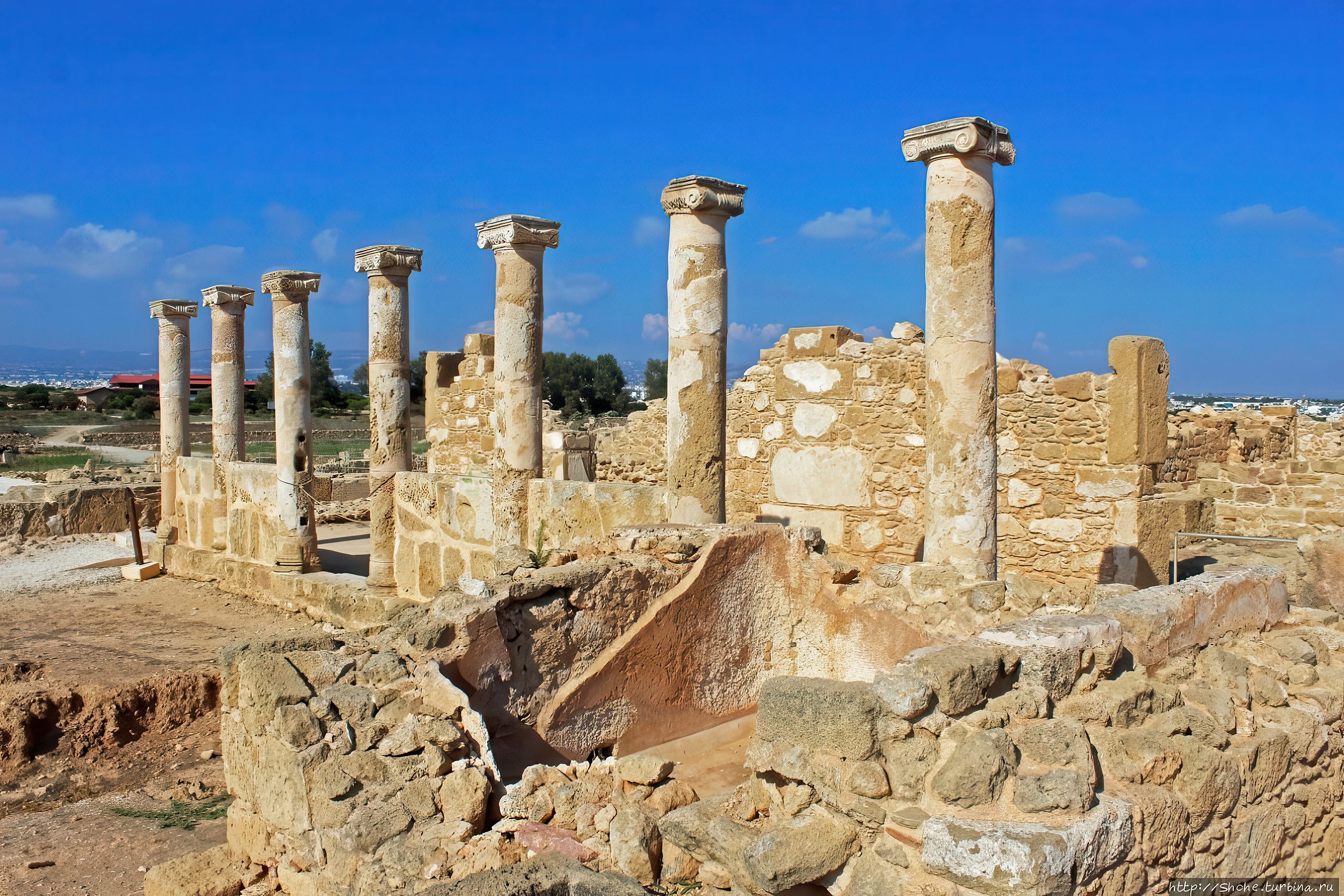
The ruins of Panagia Chrysopolitissa basilica from the 4th century CE are among the largest ever excavated in Cyprus. Several magnificent marble columns with Ionic and Corinthian capitals have been re-erected while others lie scattered around the site.
Planning Your Visit to the Archaeological Park
The Kato Paphos Archaeological Park is located right next to the Paphos tourist area, easily found by car just off the B20 from Paphos with parking available on site. The Kato Paphos Bus Station is only a five-minute walk from the park. The site operates daily from 8:30 to 17:00 during winter months, November to March, and from 8:30 to 19:30 during summer months, April to October.
Admission costs 4.50 euros and allows access to all the villa houses, the odeon, and other structures within the park. The Tombs of the Kings require a separate admission of 2.50 euros and are located 2 kilometers northwest along the coastal road. Visitors should allow at least three to four hours to explore the main archaeological park adequately. Comfortable shoes are essential as the site covers a large area with uneven stone surfaces.
During summer, sunscreen, water, and a hat are necessary as shade is limited. The mosaics are protected by modern shelters but remain exposed to natural light, which enhances their colors during morning hours. A small museum near the entrance provides context, and information panels throughout the site explain the various structures. Guided tours are available and highly recommended for understanding the historical and artistic significance of the mosaics.
Why Nea Paphos Defines Ancient Cyprus
Nea Paphos represents the pinnacle of Hellenistic and Roman urban planning in Cyprus. The city’s role as capital for over 600 years, from the 2nd century BC to the 4th century AD, established it as the political, economic, and cultural center of the island. The mosaics preserved in the Roman villas constitute some of the finest examples of ancient art anywhere in the Mediterranean, comparable only to those at Ravenna and Antioch. The transition from the pagan cult of Aphrodite to early Christianity happened here, with Saint Paul’s conversion of the Roman governor marking a turning point in the island’s religious history.
The archaeological park provides tangible evidence of how ordinary people and the elite lived, what they valued, and how they expressed their beliefs through art and architecture. For Cyprus, Nea Paphos anchors the island’s claim to being a crucial crossroads of Mediterranean civilization, where Greek, Roman, Egyptian, and Eastern influences merged to create something unique. The continued excavations promise further discoveries that will deepen our understanding of this remarkable ancient city.