Mythology and Sacred Landscapes

Articles: Mythology and Sacred Landscapes

Stories in this category and its subcategories.

Aphrodite Legends in Cyprus

Aphrodite Legends in Cyprus

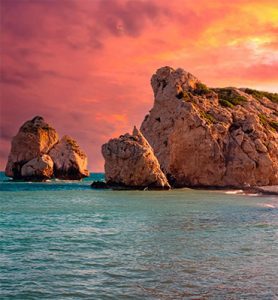
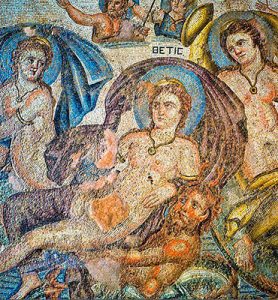
Cyprus holds a unique place in Greek mythology as the birthplace of Aphrodite, the goddess of love and beauty. According to ancient legend, she emerged from the sea foam near the southwestern coast of the island, arriving on the shores in a manner that captured the imagination of countless generations. This mythological connection transformed Cyprus into one of the most important religious centers in the ancient Mediterranean world. pixabay-com The island's association with Aphrodite went far beyond simple legend, shaping its culture, religion, and identity for thousands of years. Pilgrims traveled from across the ancient world to visit her sanctuaries, making Cyprus synonymous with the worship of love, beauty, and fertility. Historical Background The birth myth of Aphrodite contains dramatic…

Read more
Tamassos Sacred Valley

Tamassos Sacred Valley

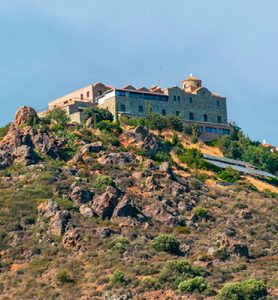
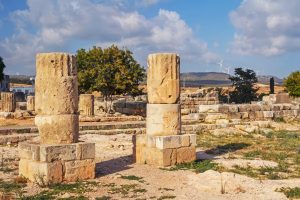
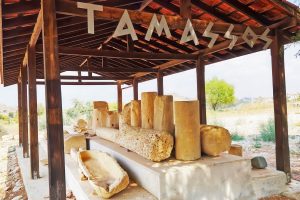
Tamassos was an inland city-kingdom that thrived from the Late Bronze Age to the Roman period, from around 1200 BC to the 10th century AD. The city appears in an Assyrian inscription from about 673 BC as Tamesi, a city-state that paid tribute to the Neo-Assyrian Empire. Homer may have mentioned it in the Odyssey as Temese, described as the main copper market on the island. culturespot-cy The archaeological site is next to the modern village of Politiko. Much of the ancient city center has not been excavated because it lies under the village and the nearby Monastery of Saint Herakleidios. Archaeologists have uncovered two large royal tombs from the 6th century BC, the foundations of a temple to Aphrodite,…

Read more
Cyprus Copper Tradition

Cyprus Copper Tradition

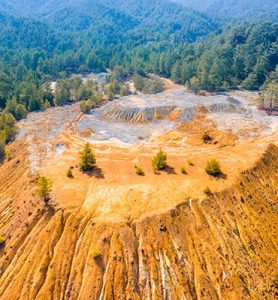
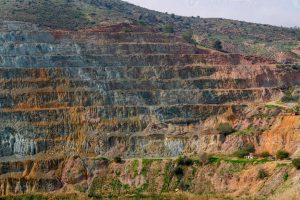
Natural Resources and Mythological Meaning In the ancient Mediterranean world, natural resources were rarely understood as mere economic assets; they were seen as signs of divine favor and expressions of cosmic order. Cyprus, renowned for its abundant copper deposits, became a central example of how material wealth could shape sacred identity. The island’s mineral resources played a decisive role in its early development, supporting trade, craftsmanship, and social organization. Over time, the prominence of copper in Cypriot life encouraged mythological interpretations that linked the island’s prosperity to divine blessing. The belief that valuable materials came from the generosity of the gods helped transform Cyprus into a land associated with sacred abundance. chesterfieldplc-com Copper mining on the island dates back to…

Read more
Astarte Eastern Goddess Influence Cyprus Religion

Astarte Eastern Goddess Influence Cyprus Religion

Origins and Divine Character Astarte was one of the most prominent goddesses of the ancient Near East, worshipped across regions such as Phoenicia, Syria, and Mesopotamia long before her influence reached the Mediterranean islands. She embodied a complex divine character, associated with fertility, sexuality, political power, and war. Unlike deities confined to a single sphere, Astarte represented a broad spectrum of life forces, from generative vitality to martial strength. Her worship reflected societies in which reproduction, protection, and sovereignty were inseparable concerns. Over time, her cult traveled westward through trade networks and cultural exchange, eventually reaching Cyprus, where it played a decisive role in shaping the island’s religious landscape. In Near Eastern tradition, Astarte was linked to celestial symbolism, often…

Read more
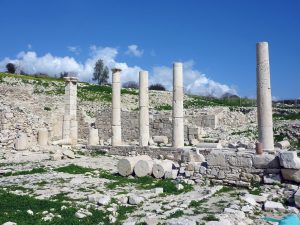
Amathus Sacred Grove of Aphrodite Cyprus

Amathus Sacred Grove of Aphrodite Cyprus

Geographic and Historical Setting Amathus, located on the southern coast of Cyprus near modern Limassol, was one of the most important ancient city-kingdoms of the island. Among its most significant religious features was the Sacred Grove of Aphrodite, a sanctuary associated with fertility, royal authority, and long-standing local traditions that predated classical Greek influence. Unlike urban temple complexes built in later periods, the sacred grove represented an earlier form of worship in which natural landscape and ritual space were closely connected. The site functioned as a center of spiritual life where religious practice was embedded within the rhythms of nature, agriculture, and seasonal renewal. pinterest-com Archaeological and literary evidence suggests that Amathus maintained a distinct cultural identity within Cyprus, blending…

Read more
Nymphs and Nature Spirits in Cypriot Mythology

Nymphs and Nature Spirits in Cypriot Mythology

Cyprus is an island with a long memory. Long before cities were built and kingdoms were named, the people who lived here believed that the land around them was alive. Springs, forests, rivers, mountains, and the sea itself were not just features of the landscape. athensaf.eu They were home to spirits. These spirits had names, roles, and personalities. The Greeks called them nymphs, and on Cyprus, they took on a life of their own, shaped by the island's unique mix of Greek, Phoenician, and local traditions. Nymphs were not gods. They sat below the major gods in rank, but they were present everywhere, and the people of Cyprus respected them for it. Historical Background The belief in nature spirits on…

Read more
Adonis Death Rebirth Cyprus Mythology

Adonis Death Rebirth Cyprus Mythology

Mythological Origins and Cypriot Connections Adonis is one of the most symbolically rich figures in Mediterranean mythology, closely linked to Cyprus through narratives that connect the island to themes of beauty, mortality, and regeneration. According to tradition, Adonis was born under extraordinary circumstances connected to the tragic story of Myrrha, daughter of King Kinyras of Cyprus. After Myrrha was transformed into a tree as a result of divine punishment, Adonis emerged from its trunk, entering the world already marked by themes of transformation and renewal. His birth in this context rooted his identity in the land and mythic heritage of Cyprus, tying the island to a cycle of death and rebirth that became central to his cult. wikimedia.org The association…

Read more
Reshef Warrior Protector Eastern Influence Cyprus Religion

Reshef Warrior Protector Eastern Influence Cyprus Religion

Origins and Divine Character Reshef was a prominent deity in the ancient eastern Mediterranean, especially in regions such as Syria, Phoenicia, and the Levant. He was primarily associated with protection, warfare, and sometimes with plague or healing, reflecting a divine role that combined destructive and safeguarding powers. Unlike deities who represented abstract forces, Reshef was closely tied to the realities of conflict, defense, and communal survival. His worship reached Cyprus through networks of trade and migration, illustrating the island’s position as a meeting point between eastern and Aegean religious traditions. In Near Eastern belief systems, Reshef embodied the paradox of a deity who could both bring harm and prevent it. He was invoked to ward off danger, especially during times…

Read more
Mythological Locations and Legends of Cyprus

Mythological Locations and Legends of Cyprus

Cyprus isn't just an island of beaches and ancient ruins - it's the legendary birthplace of Aphrodite, the goddess of love and beauty. For thousands of years, pilgrims, poets, and lovers have traveled here seeking the divine magic said to linger in its shores, and the myths born on this island have shaped Western culture in ways that still resonate today. Adobe-Stock-com An Island Steeped in Divine Legend Cyprus holds a unique place in Greek mythology as the earthly home of Aphrodite. According to legend, the goddess emerged from the sea foam near Cyprus's shores, making the island sacred ground. The connection runs so deep that Aphrodite herself was often called "Kypria" - the Cyprian goddess - a title that…

Read more