In ancient Cyprus, the mythical heroic ancestors of Tamassos were revered as semi-divine founders and protectors, linking the city’s copper-rich lands to gods like Aphrodite and epic Greek heroes. These figures, from local legends to Trojan War descendants, explained the kingdom’s prosperity and sacred status, blending human resilience with divine favor. Their stories turned hills and mines into living tales, inviting us to explore how myths rooted a community in its rugged inland home.
A Kingdom Forged in Myth and Metal
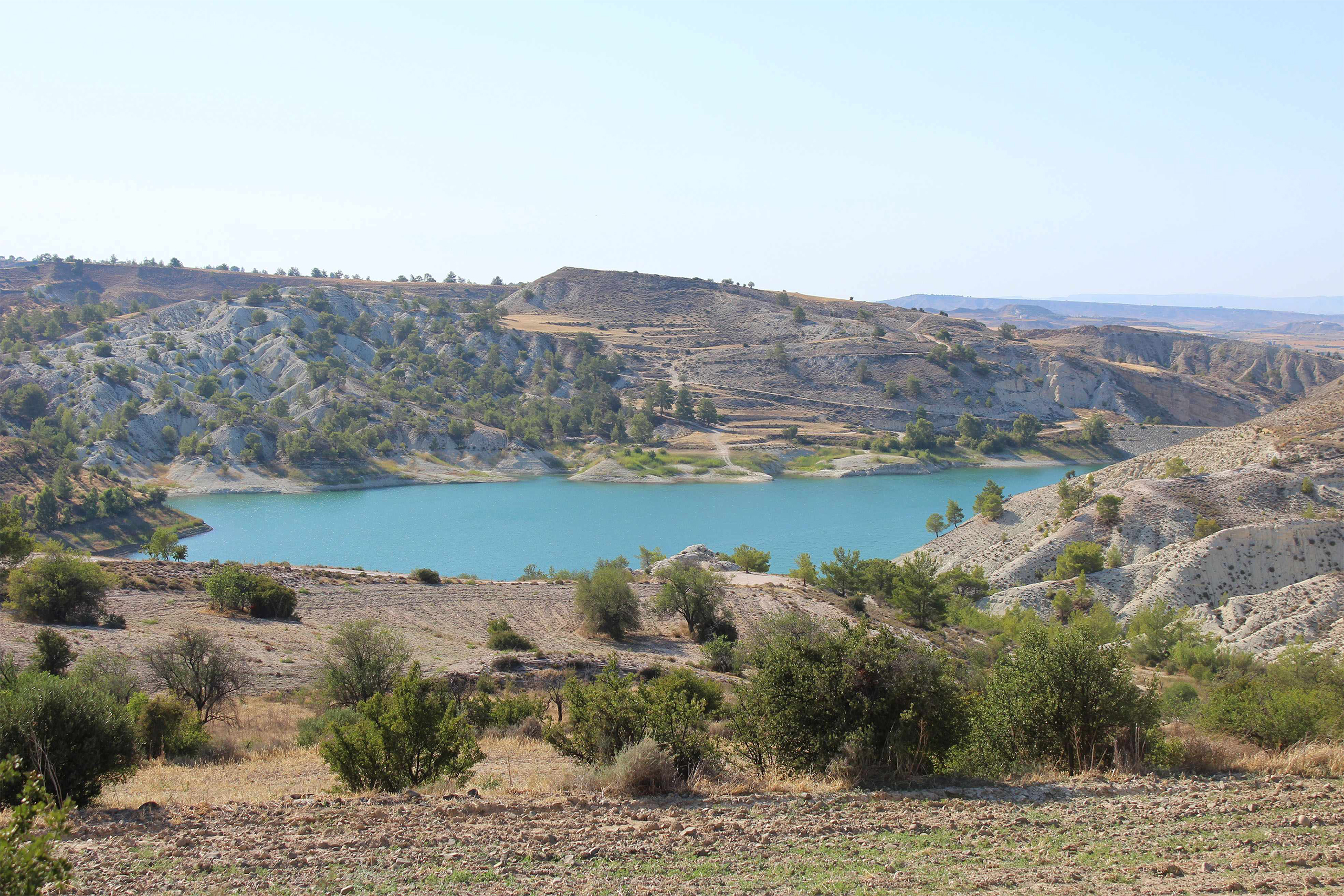
Nestled in Cyprus’s central plains, Tamassos wasn’t a coastal powerhouse like Salamis or Paphos – it was an inland gem, thriving on fertile soils and the island’s legendary copper veins. Picture rolling hills dotted with olive groves and springs, where ancient people built a city-kingdom around 2000 BC that lasted through empires. Without sea views, its identity drew from the earth: copper mines that fueled Bronze Age trade, making it a hub for tools, weapons, and art. But Tamassos was more than mines; it was a sacred landscape where myths felt as solid as the ground. Heroic ancestors weren’t fairy tales here – they were the glue holding community, ritual, and power together, explaining why this spot, amid the Mesaoria plain, was chosen by the gods for abundance and endurance.
Legends That Built an Inland Empire
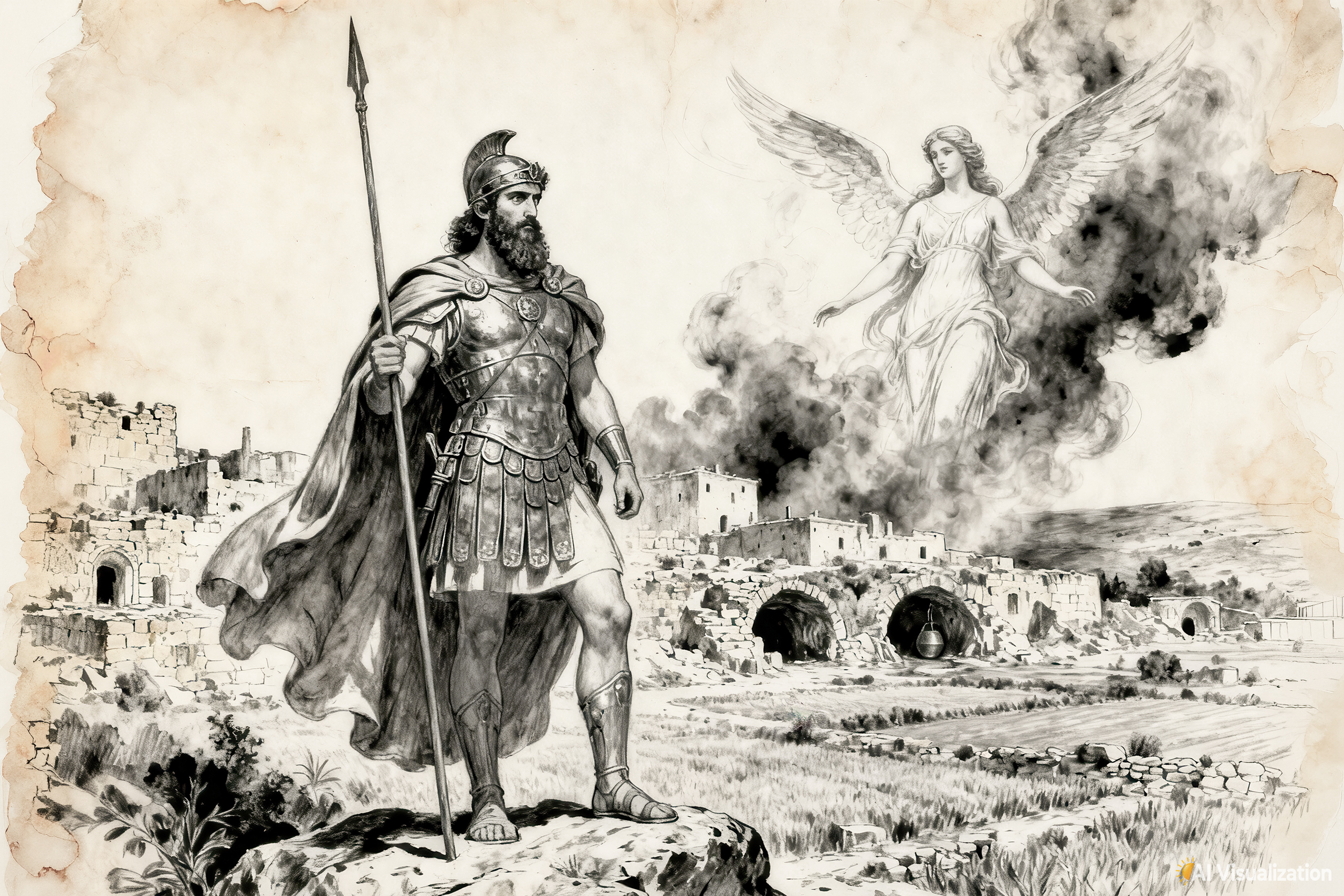
The heroic ancestors of Tamassos trace back to the Bronze Age, around 2500 BC, when Cyprus buzzed with migrations and metallurgy. Archaeological digs reveal a city founded perhaps by autochthonous – earth-born – heroes, but myths layer on Greek influences post-Trojan War. One key figure is Chalcanor, an Achaean warrior and descendant of Teucer, the exiled archer who founded Salamis. Legends say Chalcanor, fresh from Troy’s fall around 1180 BC, ventured inland, guided by oracles to tame the copper-rich wilds. He wasn’t alone; broader Cypriot lore ties Tamassos to Cinyras, the mythical king-priest of Aphrodite, whose lineage blended divine craft with human ingenuity.
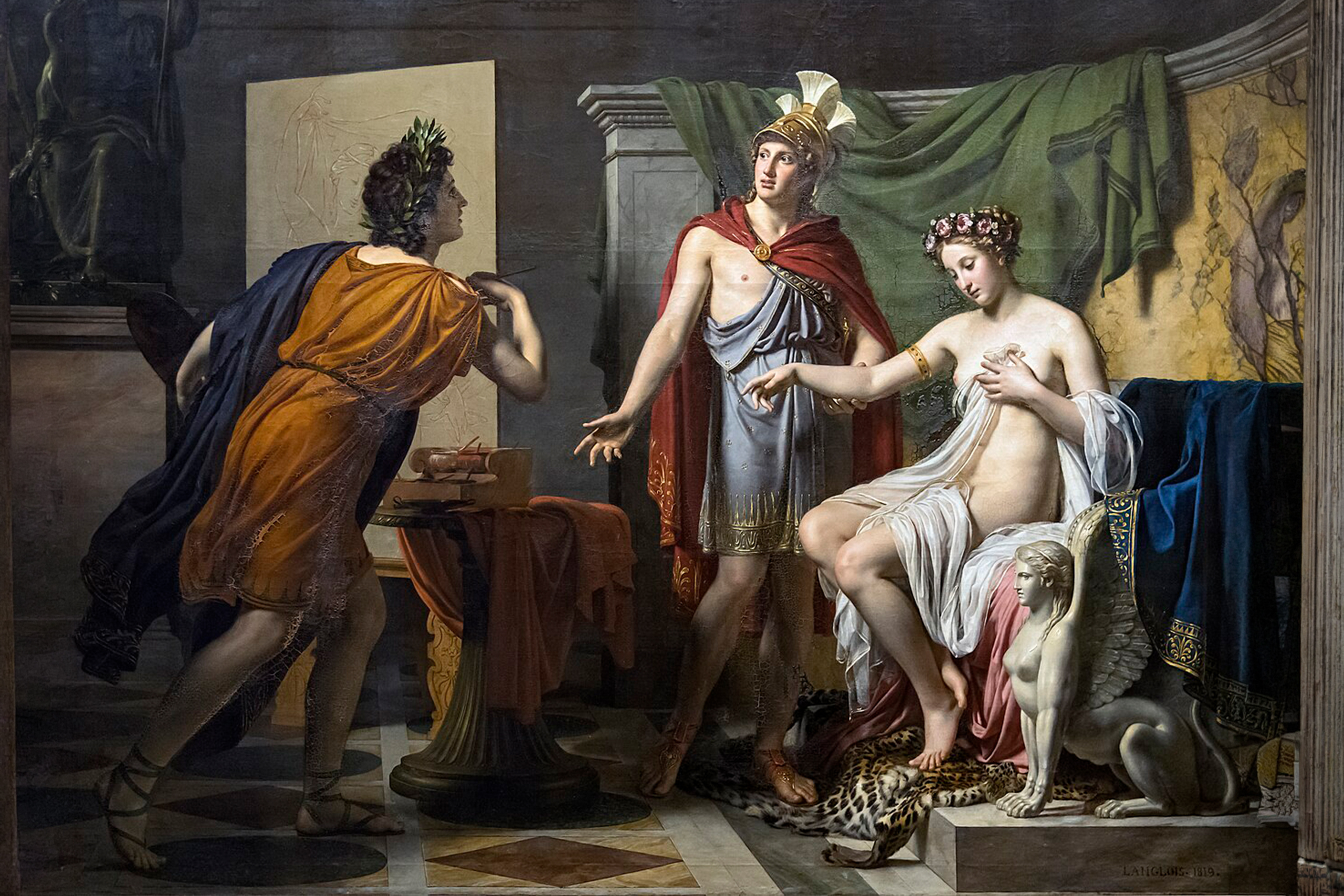
As Assyrians, Persians, and Greeks swept through – from 673 BC inscriptions calling it Tamesi to Alexander the Great gifting it to ally Pnytagoras in 332 BC – these ancestors evolved. Kings like Pasikypros, who famously sold the city to Phoenician Kition for 50 talents around 500 BC, claimed heroic blood to justify rule. Myths weren’t static; they adapted, linking Tamassos to Homer’s “Temese” in the Odyssey, a copper haven where Athena sought metal. Over centuries, these tales justified the city’s independence amid ten Cypriot kingdoms, turning potential invaders into respectful traders who honored its sacred roots.
Heroes Who Stood Between Gods and Mortals
What made these ancestors heroic wasn’t superhuman feats alone, but their relatable humanity touched by divinity. Chalcanor embodied resilience: a war-weary veteran who turned exile into foundation, planting the city’s first walls and temples. Cinyras, often seen as Cyprus’s ultimate ancestor, was a master smith and musician, gifting the island copper secrets from Aphrodite herself – his daughter Myrrha’s tragic tale birthed Adonis, tying Tamassos to fertility cycles. These figures mediated worlds: part god (Cinyras as Aphrodite’s high priest), part man (Chalcanor’s Trojan scars), they protected against famine or foes.
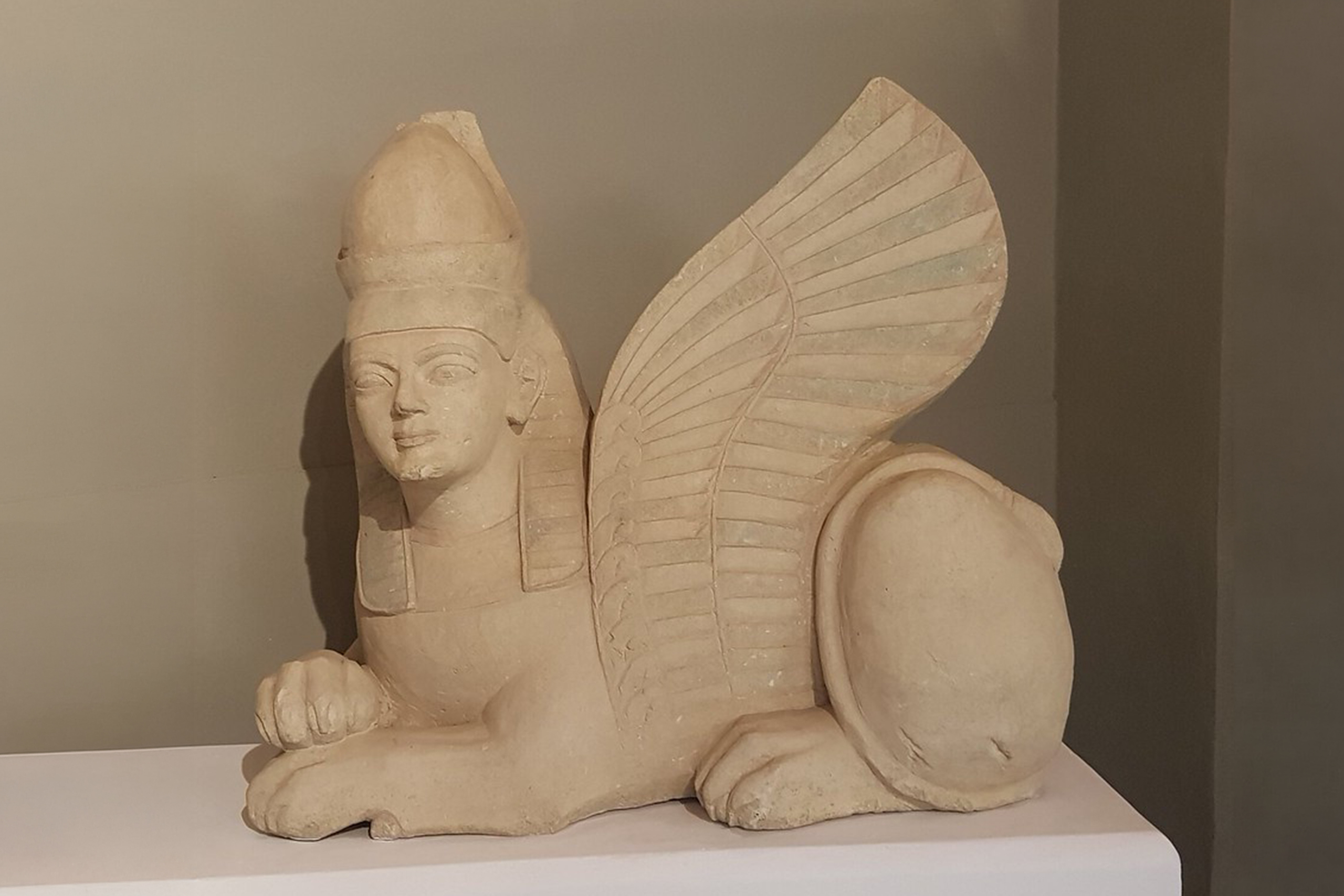
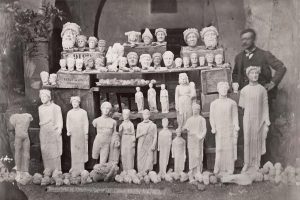
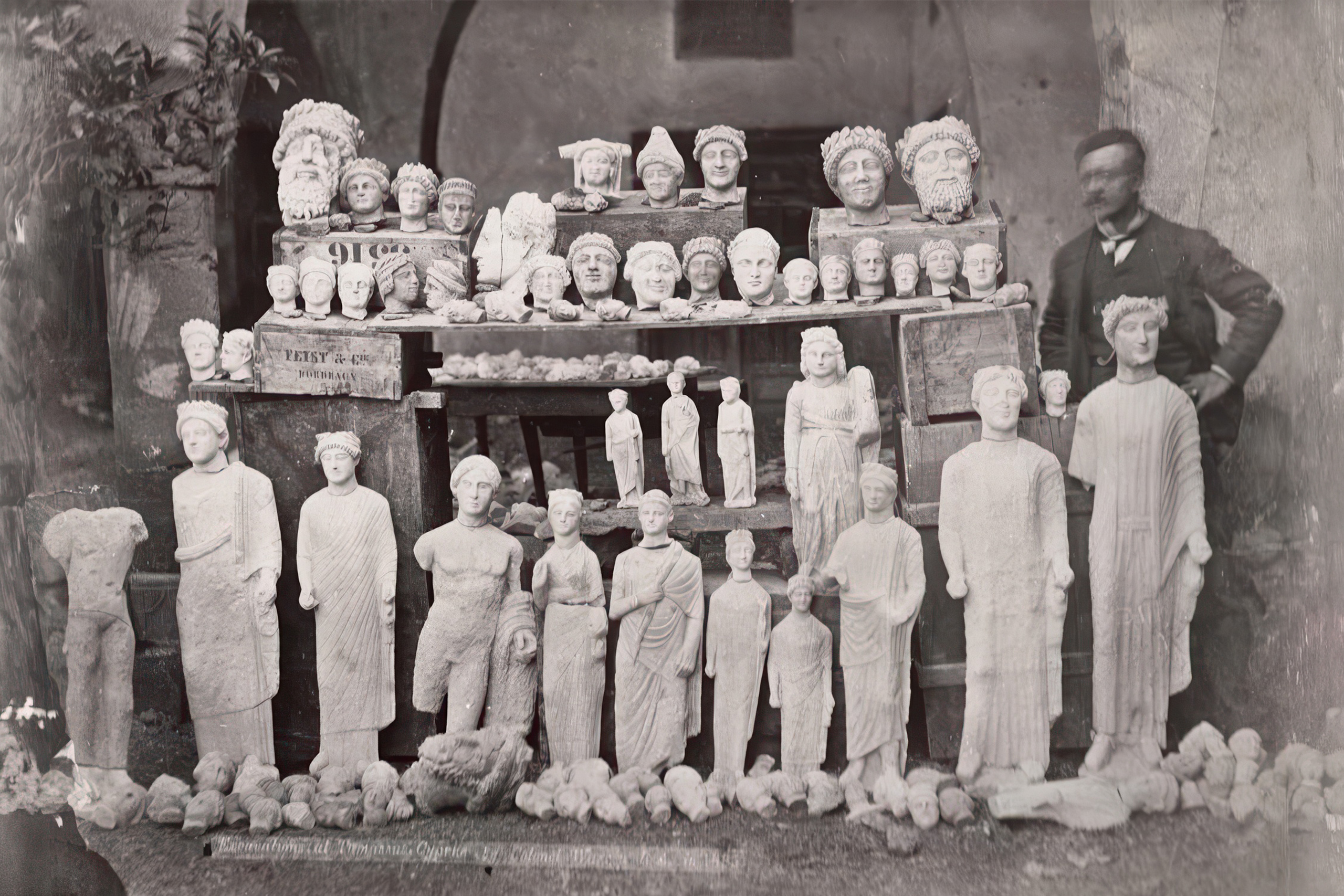
Visually, imagine them in bronze statues unearthed at Frangissa sanctuary: life-sized warriors with helmets and shields, dated to 600 BC under Egyptian rule. The landscape amplified their aura – sacred groves near mines, where heroes supposedly revealed ore veins. Unlike coastal myths of sea-born gods, Tamassos’s heroes emerged from the ground, symbolizing stability in a quake-prone island. Their flaws added depth: Cinyras’s wealth led to hubris, teaching balance, while Chalcanor’s wanderings mirrored real migrations after Mycenaean collapses.
Quirky Lore That Brings Myths to Life
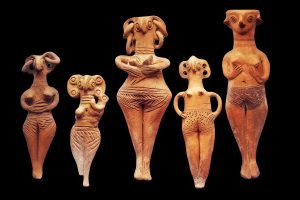
Tamassos’s heroic tales pack surprising punches that make history fun. Take the “sale” of the kingdom: Pasikypros didn’t just cash out – legend says he retired to Amathus in regret, haunted by ancestral spirits who disapproved, turning a business deal into a cautionary ghost story. Another gem: Homer’s Temese link sparked ancient debates; Strabo argued it was Italy, but Cypriots insisted it was Tamassos, even minting coins with heroic motifs to prove it. Excavations uncovered a “Horned God” figurine near copper workshops, perhaps a local ancestor blending Cinyras with eastern bull deities – horns for strength, ingot base for wealth.
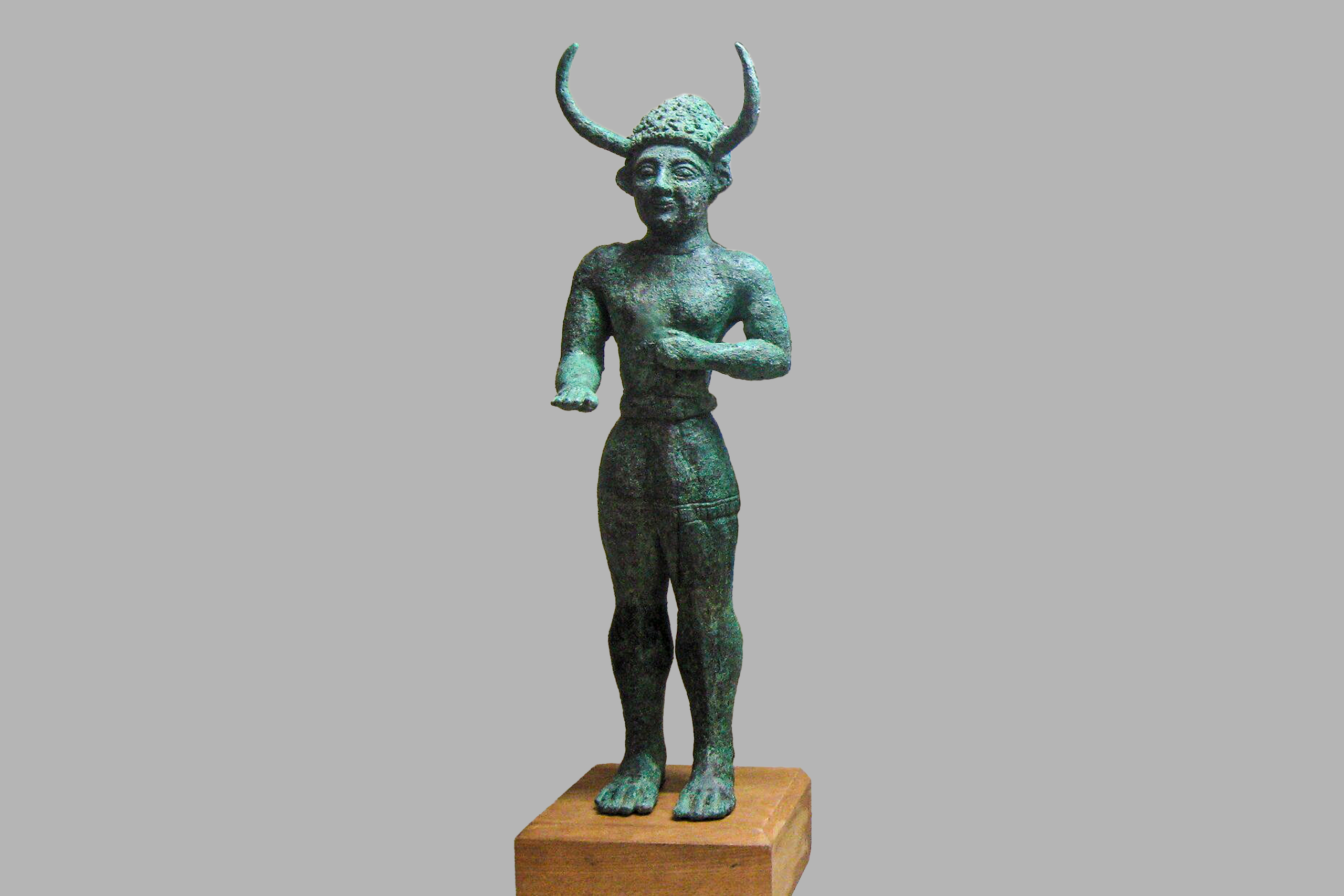
Did you know Alexander’s gift to Pnytagoras included a heroic oath? The Salamis king swore to honor Tamassos’s ancestors, merging lineages in a ritual feast. And in a modern twist, 19th-century digs by John Myres revealed royal tombs with gold masks echoing Mycenaean styles, suggesting heroes like Chalcanor brought Trojan treasures. These snippets make the myths pop – not dry epics, but lively yarns shared around ancient fires, explaining everything from mine safety (invoke Cinyras to avoid cave-ins) to festivals where actors reenacted heroic deeds.
Unraveling Deeper Symbols and Ties
Go beyond surface stories, and Tamassos’s heroes reveal profound layers. They symbolized copper’s alchemical magic: Cinyras as divine smith mirrored smelting’s fire-birth, linking heroes to Hephaestus or eastern gods like Kothar-wa-Khasis. Temples to Aphrodite-Astarte, with six massive statues from 600 BC, show female divinity intertwined – heroes as her consorts, ensuring fertility for lands and wombs. Ancestral cults involved heroa (hero shrines) near tombs, where offerings of wine or figurines sought guidance, blending Greek hero-worship with local animism.
Archaeologically, the site’s 150+ tombs from 750 BC hold clues: elite burials with chariots and jewelry suggest heroic descendants buried as kings. Ties to Teucer via Chalcanor connected Tamassos to broader Greek myths, like Ajax’s strength or Odysseus’s cunning, fostering alliances. Politically, these ancestors legitimized rule – Persian-era kings etched heroic genealogies on stelae, claiming divine right amid conquests. Even Phoenician influences added depth: their crafts enriched myths, portraying heroes as multicultural mediators. This web shows myths as tools for unity, helping Tamassos navigate empires while preserving its inland soul.
How These Myths Resonate in Cyprus Now
In today’s Cyprus, Tamassos’s heroic ancestors aren’t forgotten – they’re threads in the island’s rich tapestry. The archaeological site, a short drive from Nicosia, draws visitors pondering these legends amid global challenges like division and climate shifts eroding ruins. Festivals in nearby villages echo ancient rites, with dances honoring Cinyras’s musical gifts or archery contests for Chalcanor. In a nation healing from 1974, these myths promote shared heritage: Greek-Cypriot roots without excluding Turkish influences, as heroes like Cinyras blend east-west.
Culturally, artists revive them in novels or sculptures – a recent Paphos exhibit featured “Cinyras Reborn,” using recycled copper to symbolize renewal. Environmentally, the heroes inspire conservation: protecting Troodos mines ties to ancestral stewardship, with eco-tours highlighting sustainable practices from mythic times. Pop culture nods too – video games cast Chalcanor as a quest-giver, proving ancient tales still spark imagination. For Cypriots, these figures embody endurance, reminding everyone that roots in the land foster strength amid change.
Venturing Into Tamassos’s Mythic Realm
Eager to chase these heroes? Tamassos is easy to reach – hop on the A1 from Nicosia, about 20km south, with signs leading to the site near Politiko village. Entry’s free or low-cost (€2.50), open daily except Mondays; best in spring when wildflowers bloom like ancient offerings. Wander the ruins: peek into royal tombs with eerie chambers, or trace temple foundations where Aphrodite statues once stood. No crowds here – it’s peaceful, with paths winding through olives for that immersive feel.
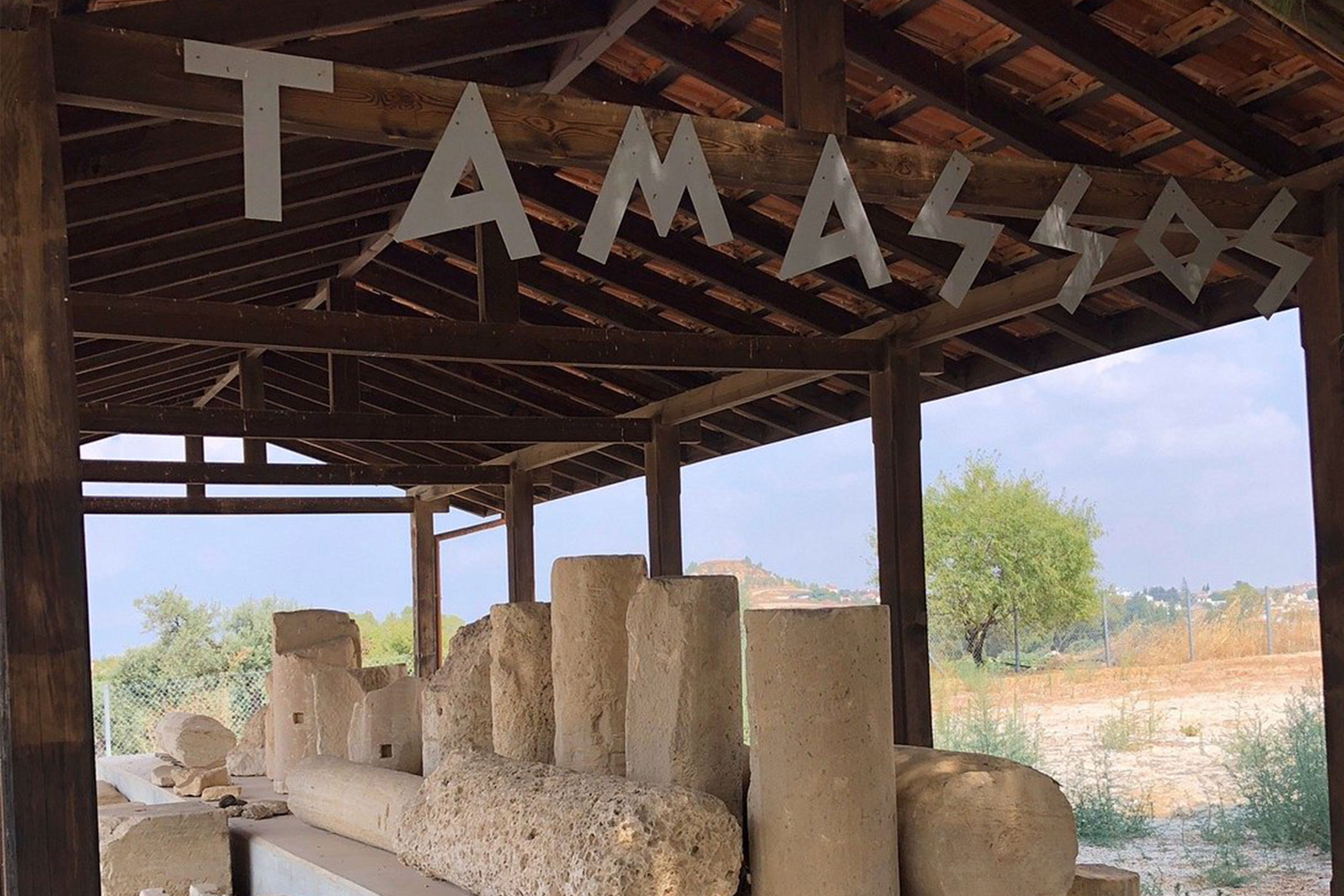
For depth, join guided tours from the Department of Antiquities (€10-15), where experts share Chalcanor tales amid artifacts. Pack sunscreen and water; summers sizzle, and paths are uneven – comfy shoes essential. Combine with nearby Machairas Monastery for Byzantine contrasts, or picnic by a spring invoking ancestral waters. Safety’s straightforward: well-marked, but watch for snakes in grass. If adventurous, visit the Cyprus Museum first for context – see those limestone giants up close. It’s not flashy tourism; it’s a quiet dialogue with myths that shaped a kingdom.
Heroes Who Still Guard the Land
Wrapping up, the mythical heroic ancestors of Tamassos aren’t just old stories – they’re the heartbeat of Cyprus’s inland spirit, showing how legends can turn earth into eternity. From Chalcanor’s founding grit to Cinyras’s divine craft, they capture the island’s essence: a fusion of resilience, resourcefulness, and reverence for the land. Knowing them deepens appreciation for Tamassos as more than ruins – a testament to human-divine bonds that fueled prosperity. In our era of fleeting connections, these heroes urge us to honor roots, embrace hybridity, and find strength in shared memory. Whether hiking its hills or musing on myths, Tamassos reminds us: true legacy lies in the stories we inherit and pass on.