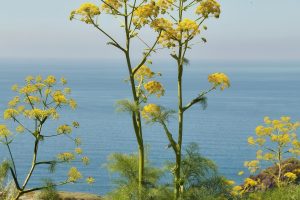
Picture yourself on a sun-drenched slope in Cyprus, where the air carries a sweet, spicy fragrance whenever a breeze stirs the shrubs. Amid the rocky terrain and scattered pines, you encounter clusters of glossy green leaves dotted with delicate white flowers. This is the common myrtle, a quiet but ever-present companion in the island’s wild landscapes.

A Shrub Steeped in Mediterranean Grace
Myrtus communis, known simply as the common myrtle, belongs to the Myrtaceae family a group that includes fragrant giants like eucalyptus and clove trees. In Cyprus it grows as an evergreen shrub or small tree, reaching up to five metres tall. It is one of only two species in its genus worldwide, the other being a rare Saharan relative. Here on our island it forms part of the classic maquis vegetation, that resilient scrubland of aromatic bushes that cloaks hillsides from sea level right up to 1,500 metres.
Tales from Antiquity: Aphrodite’s Favourite Veil
Long before botanists catalogued it, the myrtle was woven into the very birth story of Cyprus. Legend tells that when Aphrodite, the goddess of love and beauty, rose from the foaming waves near Paphos, she modestly hid her nakedness behind a myrtle bush. Ever since, the plant has been sacred to her. Ancient brides wore myrtle wreaths and bathed in myrtle-scented water on their wedding day, believing it would bless their unions with lasting love.
Classical writers such as Dioscorides praised its leaves and berries for soothing ailments, while in Cypriot folklore it symbolised purity and eternal youth. Even in the dense maquis that once covered much of the island – before centuries of grazing and fire shaped today’s patchwork the myrtle stood as a living link to those mythic times. Later, under Roman influence, its practical uses in the kitchen only deepened its place in daily life.
Leaves That Whisper, Flowers That Shine
Crush a leaf between your fingers and you release a burst of essential oils that smell of pine, citrus and warm spice. The leaves are small, lance-shaped, and a deep, polished green that stays fresh all year. In late spring through to autumn, the bush lights up with starry white flowers, each with five petals and a froth of golden stamens that attract bees and other pollinators. Later come the berries – most often a deep, inky blue-black, though some plants bear pale greenish-white ones. Birds love them, helping spread the seeds across the rocky slopes and stream sides where the myrtle thrives best.

Fun Facts to Share Under the Cypriot Sun
- In Cyprus it is affectionately called Μερσινιά (Mersiniá) or Μυρτιά – names that echo the ancient Greek μύρτος, a word likely borrowed from the languages of Asia Minor and simply meaning “myrtle.”
- The berries, though edible when cooked, have a slightly bitter, resinous taste; they are traditionally dried and used as a pepper substitute in Cypriot and broader Mediterranean kitchens. Roasted meats, especially pork, are often flavoured with myrtle sprigs or berries for an aromatic twist.
- A single myrtle leaf, held up to the light, reveals tiny translucent glands–like miniature windows – that hold the fragrant oil.
- The berries contributed to the distinctive flavour of some ancient Roman sausages, giving rise to the very name “mortadella” from the Latin farcimen myrtatum – a myrtle-flavoured pork sausage that evolved into the famous Italian deli classic we enjoy today! Before black pepper reached Europe, myrtle berries were the go-to spice for charcuterie across the Mediterranean, including early versions of mortadella and related cured meats.
- Myrtle wreaths once crowned victors at certain ancient games and adorned brides, tying the plant forever to celebrations of victory and love.
Deeper Roots in Nature and Tradition
Botanically, the myrtle is perfectly adapted to the Mediterranean rhythm of wet winters and dry summers. Its tough, waxy leaves reduce water loss, while its deep roots seek moisture in rocky crevices. In the broader picture of Cyprus’s flora, it sits comfortably alongside pistachio, rockrose and wild olive – fellow members of the evergreen maquis that survived the island’s long history of human settlement. Historically, writers like Unger and Kotschy, exploring Cyprus in the 1860s, noted these aromatic shrubs clothing the hills, while early forest reports recognised their role in stabilising soils and providing cover for wildlife. Its berries and leaves have flavoured sauces, syrups and savoury dishes for centuries, blending seamlessly into the island’s culinary heritage.
Living Link to Today’s Cyprus
Today the myrtle remains a symbol of the island’s natural resilience and cultural pride. It dots the maquis that covers roughly 40 % of Cyprus alongside pine forests and garigue. Walk almost anywhere – from the Akamas Peninsula to the lower slopes of the Troodos – and you will meet it. Its presence reminds us of the island’s deep connection to Aphrodite and to a landscape that has endured for millennia. In modern Cypriot life it appears in gardens as a fragrant hedge, in traditional remedies, and simply as a beautiful reminder of home when seen in the wild – while its berries still whisper of ancient Roman tables and today’s Mediterranean kitchens.

Experiencing the Myrtle for Yourself
The best way to meet the myrtle is on foot. Follow any of the nature trails in the Akamas or the buffer zone around Paphos Forest in late May to September, when the flowers are at their peak. Pause, rub a leaf gently, and inhale – the scent is unforgettable. On cooler mornings near streams you may even spot the pale-berried variety. No special equipment is needed; just sturdy shoes, water, and a willingness to slow down and notice the small wonders. Local guides or the Cyprus Tourism Organisation often highlight myrtle stops on botanical walks.
Why the Myrtle Matters
In a world that sometimes moves too fast, the myrtle invites us to pause and breathe deeply. It connects us to Cyprus’s ancient soul – the goddess who chose our shores, the resilient landscape that has sheltered life for thousands of years, and the simple beauty that still thrives on every hillside. Knowing its story – from Aphrodite’s veil to the secret spice in Roman mortadella – helps us cherish and protect the wild places where it grows, ensuring that future generations can experience the same sweet fragrance that once veiled a goddess and flavoured feasts across the Mediterranean. Next time you wander the Cypriot countryside, let the myrtle remind you: love, beauty, flavour and nature are forever intertwined on this magical island.