History and ethnographic museums

Articles: History and ethnographic museums

Stories in this category and its subcategories.

Ethnographic Costume Museum (Lefkara)

Ethnographic Costume Museum (Lefkara)

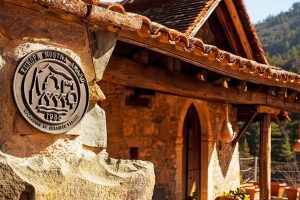
The Museum of Traditional Embroidery and Silversmith-work in Lefkara preserves Cyprus's most celebrated handicrafts within the walls of a 19th-century mansion. Located in the village of Pano Lefkara, approximately 45 kilometres from both Larnaca and Limassol, this museum documents the artisan traditions that sustained the community and brought international recognition to a small mountain settlement. tripadvisor.com Historical Background The museum occupies the House of Patsalos, named after the wealthy family that once owned this substantial white limestone residence. The house itself represents the prosperity that embroidery and silversmithing brought to Lefkara during its economic peak. The Patsalos family began accumulating wealth in the mid-19th century under Michalis Patsalos, who established the family's various business interests. Beyond producing Lefkara lace and…

Read more
Pierides Ethnographic Museum

Pierides Ethnographic Museum

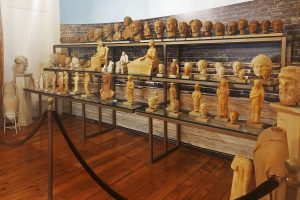
The Pierides Museum is the oldest private museum in Cyprus, housed in the ancestral home of the Pierides family in central Larnaca. This colonial-style mansion contains approximately 2,500 artifacts that document 9,000 years of Cypriot history, from the Neolithic period through the medieval era. The collection was assembled over five generations and represents one of the most important private archaeological holdings in the Eastern Mediterranean. visitcyprus-com Historical Background The museum's history began in 1839 when Demetrios Pierides started collecting Cypriot antiquities. Born in 1811, Pierides witnessed the widespread looting and export of Cyprus's archaeological heritage during the early 19th century. Foreign collectors and archaeologists routinely removed artifacts from the island, shipping them to museums in London, Paris, and other European…

Read more
Fikardou Rural Museum

Fikardou Rural Museum

The Fikardou Rural Museum consists of two restored stone houses in the village of Fikardou, located 40 kilometers southwest of Nicosia in the Troodos Mountains. The museum preserves traditional Cypriot rural life through authentic buildings and exhibits from the 16th to 19th centuries. pixabay-com The entire village functions as a living museum, with narrow cobblestone streets and traditional stone houses that transport visitors to another era. The settlement was nearly abandoned during the 20th century when residents moved to urban areas for work and modern amenities. By the 1970s, only a handful of elderly people remained. Historical Background The village name likely derives from the Greek phrase "figa andron," which means "den of fugitives." According to tradition, two dominant clans…

Read more
Pancyprian Gymnasium Museum Nicosia History

Pancyprian Gymnasium Museum Nicosia History

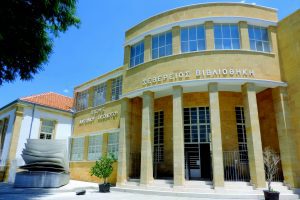
wikimedia.org The Museums of the Pancyprian Gymnasium occupy a series of restored houses just north of the school itself. These buildings house multiple collections under one roof, including a school history museum, archaeological and numismatic collections, an art gallery, natural history exhibits, antique maps, old weaponry, and a remarkable collection of Gothic sculptures. Each section contributes to a broader understanding of Cypriot education, culture, and history from different angles. The museum operates separately from the school but maintains a close connection to the institution that gave it life. Visitors enter from Thisseos Street rather than through the school grounds. The space has been carefully organized to guide guests through different aspects of the school's influence on Cyprus over more than…

Read more
Cyprus Folk Art Museum, Nicosia – Cultural Heritage

Cyprus Folk Art Museum, Nicosia – Cultural Heritage

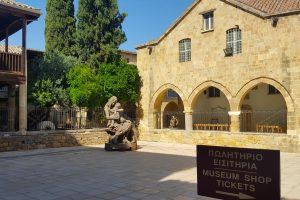
The Cyprus Folk Art Museum preserves the island's traditional crafts in a building that once housed archbishops and witnessed moments that changed Cypriot history. The museum occupies the Old Archbishopric building on Archbishop Kyprianos Square in central Nicosia. This location places it beside St. John's Cathedral, the Byzantine Museum, the National Struggle Museum, and the current Archbishop's Palace. wikipedia-com The building itself dates to the 15th century and features Gothic architecture with later additions. In the 13th century, the area was controlled by French rulers and served as a monastery for the Benedictine order. Later, the Order of St. John erected a church dedicated to their patron saint on the grounds. In 1218, Hugo I was buried in this church.…

Read more
Cyprus Railway Museum Evrychou History Facts

Cyprus Railway Museum Evrychou History Facts

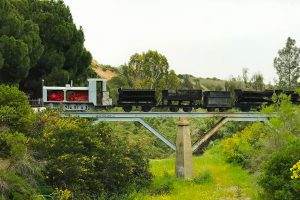
The museum occupies the original Evrychou railway station, a sandstone building constructed in 1906 in the foothills of the Troodos Mountains. The station operated as the western terminus of the Cyprus Government Railway from June 14, 1915, until December 31, 1931, when the final five miles of the railway were abandoned due to financial losses. atlasobscura-com After the railway closed completely in 1951, the building served various purposes, first as a health center and later as a forest workers' dormitory. EOKA fighters damaged and burned the building during their campaign against British rule, as the railway represented colonial infrastructure. The Department of Antiquities restored the station between 2003 and 2012, with new tracks laid in 2010 to 2012 in a…

Read more
Museum of the National Struggle Nicosia

Museum of the National Struggle Nicosia

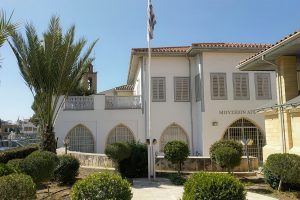
The Museum of National Struggle opened in 1961, just two years after the end of the liberation struggle. Former EOKA fighter Christodoulos Papachrysostomou founded the institution following a decision by the Greek Communal Chamber on January 26, 1961. Shutterstock-com The decision was published in the official newspaper of the Republic on February 23 of the same year. The museum's establishment aimed to spread awareness of the freedom fight, honor fallen fighters, preserve memories for future generations, and collect materials for historical documentation. The museum initially operated from different premises before moving to its current purpose-built facility near the Holy Archbishopric of Cyprus in central Nicosia. The new building was inaugurated on April 30, 2001, with funding provided by the Holy…

Read more
Leventis Municipal Museum of Nicosia, Cyprus

Leventis Municipal Museum of Nicosia, Cyprus

The Leventis Municipal Museum tells the story of Europe's last divided capital through over 10,000 objects collected across five thousand years. Within two years of opening in 1989, it won the European Museum of the Year Award for bringing modern museum standards to Cyprus. shutterstock-com The museum occupies a complex of three historic buildings on Ippokratous Street in the Laiki Geitonia neighborhood within the Venetian walls of Nicosia. The main building at number 17 once served as the clinic of Dr. Themistocles Dervis, who was mayor of Nicosia for 27 years between 1929 and 1959. The building at number 15 operated as the Victoria Hotel. The third structure at 18 Solonos Street is a small traditional house from the late…

Read more
Famagusta Cultural Heritage Museum Cyprus Europe

Famagusta Cultural Heritage Museum Cyprus Europe

The Famagusta Cultural Heritage Museum stands as a solemn witness to one of Cyprus's most painful chapters. Built in 1998 on the edge of the United Nations buffer zone in Deryneia, this center offers visitors a rooftop view across barbed wire into Varosha, the abandoned resort district that has remained frozen in time since August 1974. pixabay-com The Cultural Centre of Occupied Famagusta operates as both a museum and an observation point. The facility houses a multipurpose room where visitors watch audiovisual presentations about Famagusta before the 1974 Turkish invasion, when it served as the island's premier tourist destination and cultural hub. The museum displays photographs, posters, and artifacts documenting daily life in Famagusta when the city was home to…

Read more