Explore Cyprus with Our Interactive Map

Explore our top stories and discover ideas worth your time.

Traditional Cypriot Rural Life

Traditional Cypriot Rural Life

Cyprus's rural economy developed around livestock farming for thousands of years before modern tourism. Goats, sheep, and donkeys formed the backbone of village life, providing milk, meat, wool, transportation, and labor. These animals adapted perfectly to the island's hot, dry climate and rocky terrain. Families raised small herds using methods passed through generations, with women typically managing milk production and cheese making while men handled field work and shepherding. The livestock fit naturally into Cyprus's agricultural cycle, grazing on wild plants during rainy months and consuming crop residues during summer. This system created self-sufficient communities where nearly every household maintained animals. Archaeological evidence shows Cypriots domesticated these species during the Aceramic Neolithic Period around 7000 BCE, making livestock farming one of the island's oldest continuous traditions. Ancient Origins of Cypriot Animal Husbandry Prehistoric settlers brought domesticated animals to Cyprus during the early Bronze Age around 2500 BCE. These people possessed navigation skills that allowed them to transport household goods and livestock across the Mediterranean. They introduced pigs, sheep, goats, and cattle to the island. Evidence from Bronze Age sites like Politiko Troullia shows communities consumed sheep, goat, cattle, and pig while also hunting fallow deer for ritual feasts. The indigenous Cyprus Fat-tailed sheep developed over millennia of breeding in local conditions. This triple-purpose breed produced milk, coarse wool, and meat,…

Read more
Daily Village Life in Cyprus – Community and Support

Daily Village Life in Cyprus – Community and Support

Daily village life in Cyprus revolved around close-knit family networks, communal labor, religious observances, and social gatherings that defined rural existence. Villages functioned as extended families where relatives lived in adjacent compounds, sharing courtyard spaces, agricultural tools, and economic responsibilities across generations. The rhythm of days followed agricultural cycles, with sunrise fieldwork interrupted by midday meals and coffee breaks, followed by afternoon labor and evening social gatherings in village squares. Women drew water from communal fountains where they exchanged information while washing clothes and filling vessels, creating female social networks parallel to male coffee shop culture. Children grew up supervised by grandparents, aunts, and neighbors who collectively ensured safety and transmitted traditional knowledge through daily interaction. This interconnected social structure provided economic security through mutual aid, emotional support during hardships, and collective celebration during festivals and life milestones. Morning Routines and Agricultural Work Village days began before sunrise, when women woke to prepare breakfast before men and children left for fields. The meal typically consisted of bread, olives, halloumi cheese, and yogurt with honey, supplemented by seasonal vegetables from kitchen gardens. Coffee brewed in long-handled pots called briki accompanied breakfast, providing caffeine for the day's physical labor ahead. Men departed for fields by 6:00 or 7:00 AM, carrying simple tools including hoes, sickles, and pruning shears. Donkeys transported heavier equipment…

Read more
Limassol Carnival Street Celebration

Limassol Carnival Street Celebration

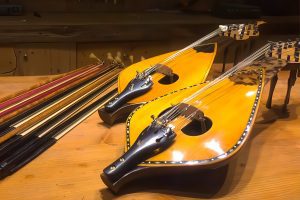
For more than a century, Limassol Carnival has transformed Cyprus’s most vibrant coastal city into a living theatre of sound, colour, and movement. For eleven days each year, folk melodies drift through narrow streets, masked dancers fill public squares, and spontaneous celebrations blur the boundaries between tradition and spectacle. The carnival is not simply entertainment. It is one of Cyprus’s most enduring expressions of community identity, cultural memory, and joyful defiance of everyday routines. A City That Moves to Its Own Rhythm Limassol has long been known for its outward-looking character. As Cyprus’s main coastal trading hub, the city absorbed influences from Greece, Venice, the Middle East, and beyond. Carnival became the moment when these influences merged into a shared urban identity, expressed most vividly through music and dance. Unlike many European carnivals that focus primarily on visual spectacle, Limassol’s celebration is driven by sound and motion. The city becomes kinetic and audible, with mandolins echoing in alleyways, percussion groups pulsing through neighbourhoods, and folk dancers sharing streets with samba troupes. For a brief period each year, Limassol does not host the carnival. Limassol becomes the carnival. From Ancient Rituals to Urban Festivity Carnival traditions in Cyprus trace their roots to pre-Christian spring rituals associated with renewal, fertility, and the Dionysian cycle of life. Masks, role reversal, and theatrical performances…

Read more