Explore Cyprus with Our Interactive Map

Explore our top stories and discover ideas worth your time.

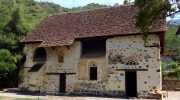
Church of Panagia tou Araka

Church of Panagia tou Araka

The Church of Panagia tou Araka, located near the village of Lagoudera in the Troodos Mountains of Cyprus, is one of the most celebrated monuments within the UNESCO World Heritage group known as the Painted Churches of the Troodos Region. Built in the late 12th century, the church stands as a remarkable testament to the artistic and spiritual vitality of Cyprus during the Middle Byzantine period. Its significance lies primarily in its interior decoration, which preserves some of the finest examples of Comnenian art an artistic style associated with the reign of the Comnenian dynasty in Byzantium and closely linked to the cultural life of Constantinople. At a Glance Location: Lagoudera village, Pitsilia region, Troodos MountainsDate of frescoes: 1192Artist: Theodore ApsevdisStatus: UNESCO World Heritage Site (Painted Churches of the Troodos Region)Best known for: One of the most complete Middle Byzantine fresco cycles in Cyprus Historical Background Theodore Apsevdis is one of the rare Byzantine artists whose name survives alongside his work. Trained in Constantinople, he brought metropolitan skill to a rural Cypriot setting. His style belongs to the late Comnena period, marked by elongated figures, flowing drapery, and faces filled with restrained emotion. The church demonstrates how artistic developments from the imperial capital reached even remote regions, shaping local expressions of faith and aesthetics. The late 12th century was a…

Read more
Panigyria Cyprus Villages Festivals

Panigyria Cyprus Villages Festivals

Across Cyprus, every village has at least one night each year when the roads feel a little busier, the air smells faintly of smoke and grilled meat, and familiar voices reappear as if they never left. The panigyri, the traditional village festival, is that moment: a lived ritual shaped by faith, agriculture, and the island's instinct for togetherness, turning quiet communities into crowded, luminous meeting places where memory and belonging become tangible again. A Gathering of Everyone The word panigyri carries its meaning in its roots. It comes from the ancient Greek panēguris, built from pan ("all") and agora ("gathering" or "marketplace"), and it points to an older world where people came together for religious, political, and cultural life in the same shared space. In Cyprus, that idea endured through centuries of change and settled into the calendar as the central annual pulse of village life. Today, a panigyri usually marks a patron saint's feast day or aligns with a seasonal moment tied to harvest and local rhythm, which is why it often feels both sacred and grounded, elevated and practical at the same time. It blends devotion with celebration, turning the village square into a social arena where residents, visitors, and returning diaspora find each other again, sometimes after years, sometimes after a single season away. What makes the…

Read more
Cyprus Kalinikta Winter Rituals

Cyprus Kalinikta Winter Rituals

Winter evenings in Cyprus transform villages into centers of warmth and community as families and neighbors gather after sunset. The word Kalinikta means good night in Greek, and it represents more than just a farewell. It marks the beginning of evening rituals that have defined Cypriot winter life for generations.  As temperatures drop and darkness arrives early, the traditional kafeneio becomes the heart of village social life, with fireplaces glowing and the sounds of conversation, laughter, and backgammon pieces clicking on wooden boards. These evening gatherings preserve customs that connect modern Cypriots to their grandparents and great grandparents, maintaining traditions that might otherwise disappear.  Winter brings a slower rhythm to island life, with agricultural work reduced and more time available for storytelling, music, and shared meals that strengthen family and community bonds. The kafeneio as winter's social heart The traditional Cypriot coffee shop or kafeneio serves as the primary gathering place during winter months when outdoor work ceases early and darkness arrives by 5 PM. Men traditionally dominate these spaces, spending hours playing tavli, a form of backgammon, or pilota, a local card game. Customary bets determine who pays for the coffee, and spectators gather around tables to watch games and offer advice, often becoming as emotionally invested as the players themselves.  The aroma of Cyprus coffee fills the air,…

Read more