Explore Cyprus with Our Interactive Map

Für viele Spieler ist lolly spins mittlerweile zu einer festen Größe in ihrer persönlichen Casino-Routine geworden. Die Umsatzanforderungen unterscheiden zwischen Slot- und Tischspielen, wie es branchenüblich ist. Die Plattform kooperiert mit Organisationen wie GamCare und BeGambleAware. Die mobile Suchfunktion findet jedes Spiel innerhalb weniger Sekunden. Der Kundenservice nutzt ein internes Ticket-System, sodass alle Anfragen lückenlos dokumentiert werden. Die Plattform kooperiert mit lizenzierten und regulierten Zahlungsdienstleistern. Auch klassische Pokervarianten wie Casino Hold’em werden in Live-Form angeboten. Auto-Play-Funktionen erlauben das Festlegen vordefinierter Spielabläufe für bestimmte Slots. Themenslots mit Mythologie-, Abenteuer- oder Fantasy-Hintergrund schaffen eine immersive Atmosphäre. Spieler, die einen anspruchsvollen Anbieter suchen, dürften hier eine passende Wahl finden.

Explore our top stories and discover ideas worth your time.

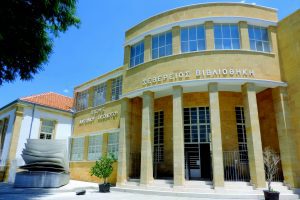
Fikardou Rural Museum

Fikardou Rural Museum

The Fikardou Rural Museum consists of two restored stone houses in the village of Fikardou, located 40 kilometers southwest of Nicosia in the Troodos Mountains. The museum preserves traditional Cypriot rural life through authentic buildings and exhibits from the 16th to 19th centuries. The entire village functions as a living museum, with narrow cobblestone streets and traditional stone houses that transport visitors to another era. The settlement was nearly abandoned during the 20th century when residents moved to urban areas for work and modern amenities. By the 1970s, only a handful of elderly people remained. Historical Background The village name likely derives from the Greek phrase "figa andron," which means "den of fugitives." According to tradition, two dominant clans controlled the region between 400 AD and 800 AD, and fugitives sought refuge in these remote mountains. The earliest written reference to Fikardou dates to 1825 during the Ottoman period. Historical connections exist to medieval Cyprus through the Ficardo family. The most notable member was Sir Thomas Ficardo, who served as Chancellor to King James II and Queen Catherine Cornaro in the 15th century. The village belonged to Machairas Monastery during the Byzantine Komnenos dynasty. Inhabitants focused on olive harvesting, grape cultivation, and subsistence farming. The village maintained traditional agricultural practices for centuries. The remote mountain location provided some security but…

Read more
Cyprus Red Fox

Cyprus Red Fox

There is an animal on Cyprus that has been blamed for stolen chickens, celebrated in folktales, painted as the ultimate villain of the farmyard and yet, science tells us a very different story. The Cyprus fox, a unique island subspecies found nowhere else on Earth, is one of the most misunderstood creatures in the Eastern Mediterranean. Once you learn the truth about it, you may never look at a pair of amber eyes at dusk in quite the same way again. From the Family of Clever Ones The Cyprus fox belongs to the family Canidae the great clan that includes wolves, jackals, wild dogs, and domestic dogs. Within this family sits the genus Vulpes, the "true foxes," a group of about twelve species spread across the globe, from the tiny big-eared fennec fox of the Sahara to the ghost-white Arctic fox of the frozen north. Our island's fox is a member of Vulpes vulpes the red fox which is arguably the most successful and widespread wild carnivore on the planet, ranging from the Arctic Circle all the way down to North Africa, across Eurasia, and into North America. But the fox living in Cyprus is not simply a red fox that wandered over. It is a distinct island subspecies, formally described in 1907 by the American naturalist Gerrit Smith Miller,…

Read more
Religious Life in Cyprus

Religious Life in Cyprus

Religious life in Cyprus centers on Orthodox Christianity, which defines cultural identity for approximately 90 percent of Greek Cypriots even among those who rarely attend services. The Church of Cyprus holds autocephalous status, meaning it governs itself independently while remaining in communion with other Orthodox churches worldwide. This independence, granted at the Council of Ephesus in 431 AD, has survived centuries of foreign occupation including Frankish Crusaders, Venetian merchants, Ottoman Turks, and British colonizers. The church functioned not just as religious institution but as guardian of Greek language, culture, and national identity during periods when political sovereignty was impossible. Orthodox practice structures daily life through home iconostases with burning oil lamps, morning and evening prayers, feast day celebrations, and approximately 180 annual fasting days. The liturgical calendar organizes social activities, agricultural work, and family gatherings around major celebrations including Easter, the Dormition of the Virgin Mary on August 15, and hundreds of local patron saint festivals called panigyria. Ancient Christian Foundations on the Island Christianity reached Cyprus in 45 AD when the Apostle Paul traveled with Barnabas, a native Cypriot, and Mark the Evangelist from Syrian Antioch. They arrived first at Salamis on the eastern coast before crossing westward to Paphos, where they converted Sergius Paulus, the Roman proconsul governing Cyprus. This conversion made Cyprus the first territory in the…

Read more