Explore Cyprus with Our Interactive Map

Explore our top stories and discover ideas worth your time.

Nea Paphos Basilica Mosaics

Nea Paphos Basilica Mosaics

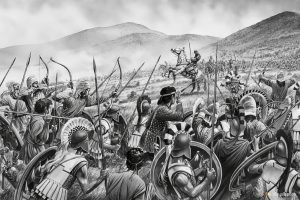
The basilica mosaics of Nea Paphos show how Cyprus shifted from Roman myth culture to Christian worship without abandoning its strongest visual craft. Using familiar techniques, artists replaced narrative gods and heroes with symbols, vines, animals, and geometry that guided movement and reinforced theology inside new communal basilicas. This article explains how the change happened across key churches in Kato Paphos, what motifs were repurposed, and why these floors remain one of the clearest records of cultural adaptation on the island. Mosaics You Miss at First Long before Christianity reached Cyprus, Nea Paphos was already a city of mosaics. As the island’s administrative capital during the Hellenistic and Roman periods, it developed a strong tradition of floor decoration in elite houses and public buildings. Mythological scenes, hunting imagery, marine creatures, and geometric borders filled the villas of wealthy residents. This matters because the Christian mosaics did not appear in isolation. The artisans, materials, and techniques were already present. What changed was not the craft, but the message. When Christianity began to take hold in the 4th century, the language of mosaics was repurposed rather than replaced. Paphos Already Knew Mosaic Luxury The most dramatic shift brought by Christianity was not stylistic, but spatial. Pagan mosaics belonged largely to private homes, where they reinforced status, education, and cultural identity. Christian mosaics…

Read more
Venetian Bridges Nature Trail

Venetian Bridges Nature Trail

The Paphos Forest hides a secret world where history meets the wild. You walk on trails that medieval merchants once used to transport copper and gold. These paths connect three spectacular stone structures known as the Venetian Bridges. Deep valleys and thick cedar trees create a quiet atmosphere for every visitor. The air feels cool even when the sun shines bright above the canopy. You hear the sound of water as it flows under old arches. This journey offers a glimpse into the past of Cyprus. It remains a top choice for those who love quiet walks. Every step reveals a new view of the green landscape. Trail Overview Location: Paphos Forest, Limassol/Paphos District, Cyprus Distance: 17 km (Full linear trail) Route Type: Point-to-Point (Linear) Difficulty: Moderate Elevation Gain: 600 meters Duration: 5 – 6 hours Best Time to Visit: March to June or September to November Terrain: Dirt tracks, forest paths, and rocky slopes The Historical Significance of the Venetian Bridges The Venetian era in Cyprus left a permanent mark on the island. Engineers built these bridges during the 16th century to facilitate trade between mountain mines and the coast. Mules carried heavy loads across these stone spans every day. The architecture reflects a need for strength and durability against mountain floods. You see precise stonework that survives centuries…

Read more
Endangered Plants of Cyprus

Endangered Plants of Cyprus

Cyprus hosts approximately 2,000 plant species, with 146 being endemic to the island. This means they exist nowhere else on Earth. The flora of Cyprus developed over millions of years through a combination of geographic isolation, diverse geology, and varying climate zones. Today, around 258 plant taxa are classified as threatened according to international conservation standards. These include species listed as Critically Endangered, Endangered, or Vulnerable by the International Union for Conservation of Nature. Historical Background The island's plant diversity reflects its position at the crossroads of three continents. Cyprus sits in the eastern Mediterranean where Europe, Asia, and Africa meet. This location allowed species from different regions to colonize the island over time. The Troodos Mountains, formed from ancient oceanic crust pushed above sea level, created unique habitats on igneous and serpentine rocks. These challenging soils fostered the evolution of specialized plants found only in Cyprus. Human activity has shaped the landscape since 8200 BC. Traditional agriculture created semi-natural habitats where wild plants thrived alongside cultivated crops. However, modern development pressures have accelerated habitat loss, particularly in coastal areas where tourism infrastructure expands rapidly. Notable Endangered Species The Cyprus Cedar (Cedrus brevifolia) grows exclusively in five small locations within the Troodos Mountains at elevations of 1,200 to 1,900 meters. This tree is classified as Vulnerable, with only about 16,000…

Read more