Explore Cyprus with Our Interactive Map

Explore our top stories and discover ideas worth your time.

Serpent Myths of Cyprus

Serpent Myths of Cyprus

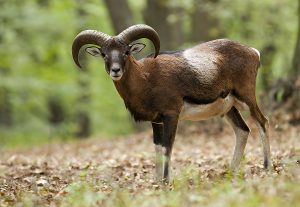
Serpent myths have coiled through Cypriot culture since ancient times, positioning snakes as both feared adversaries and sacred protectors. In Greek antiquity, Cyprus earned the names Ophiousa and Ophiodea, meaning snake land, due to its abundance of serpents, particularly venomous vipers that thrived in the Mediterranean climate. These creatures occupied a complex position in Cypriot consciousness, associated with ancient Aphrodite worship, Christian monastery legends, and modern sea monster sightings. The most famous serpent story involves Saint Helena bringing 1,000 cats to combat a snake plague during monastery construction in 327 AD, a tradition maintained at the Holy Monastery of Saint Nicholas of the Cats to this day. The Ayia Napa Sea Monster, a modern cryptid sighted around Cape Greco, connects contemporary folklore to ancient myths of Scylla and other serpentine guardians. These serpent narratives reveal how Cypriots transformed dangerous natural phenomena into spiritual protectors and cultural symbols across millennia. Ancient Cyprus as the Snake Land Classical writers including Strabo and Pliny the Elder identified Cyprus as a land dominated by serpents. The island's warm climate and rocky terrain provided ideal habitat for the Cypriot blunt-nose viper, a venomous snake endemic to the region. These vipers posed genuine danger to farmers, shepherds, and travelers moving through countryside areas. The prevalence of snakes shaped agricultural practices, settlement patterns, and folk beliefs about…

Read more
Rural Farming Life in Cyprus

Rural Farming Life in Cyprus

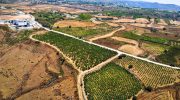
Agriculture constituted the backbone of Cyprus's economy when the country achieved independence in 1960, consisting mostly of small farms and sometimes even subsistence operations. In the early 1970s, Cypriot farms, still overwhelmingly small owner-run units, furnished about 70 percent of commodity exports and employed about 95,000 people, or one-third of the island's economically active population. The traditional rural landscape featured fragmented holdings where families worked terraced hillsides and valley floors, producing grapes, olives, wheat, barley, carobs, and seasonal vegetables. This farming pattern shaped village life for centuries, creating rhythms of planting, harvesting, and communal celebration that defined Cypriot identity as much as the Orthodox church or family structures. How Villages Worked the Land Landholdings remained generally small, highly fragmented, and dispersed under traditional laws of inheritance. When a father died, his land divided equally among all children, creating increasingly smaller parcels with each generation. A single family might own a dozen tiny plots scattered across the village territory, requiring farmers to travel between distant fields throughout the day. This fragmentation made mechanization difficult and reduced efficiency. Traditional irrigation relied on natural springs, small rivers, and rainfall patterns. Farmers channeled spring water through stone aqueducts and earthen channels to reach thirsty crops during summer months. Villages located near reliable water sources prospered, while those depending solely on rainfall struggled during dry…

Read more
Women Roles in Cyprus Rural Life

Women Roles in Cyprus Rural Life

Traditional women's roles in Cyprus rural life centered on agricultural work, textile production, food processing, household management, and child-rearing within extended family structures. Women participated heavily in field labor, with the rural female workforce comprising 51 percent of agricultural workers in the mid-20th century before shifting to urban occupations. Textile manufacturing represented a crucial economic activity, with British period censuses documenting thousands of Cypriot women earning income from weaving for local markets and export traders. The village of Lefkara became internationally famous for its intricate white embroidery called lefkaritiko, which brought more wealth to the village between 1900 and 1930 than reached most other Cypriot communities. Women's social lives occurred primarily within gender-separated spaces including courtyards, village fountains where they drew water and washed clothes, and communal textile work sessions that created female networks parallel to men's coffee shop culture. Agricultural Labor and Field Work Women provided essential labor for Cyprus agriculture across all farming activities. They participated in planting, weeding, harvesting, threshing, and processing crops alongside male family members. During olive harvest season from October through January, women and children gathered fallen olives while men climbed trees to shake branches. The grape harvest in September brought entire families to vineyards, with women carrying heavy baskets and sorting fruit by quality. Women handled most vegetable cultivation in kitchen gardens adjacent…

Read more