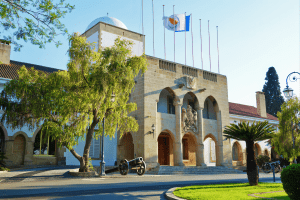
Explore Cyprus with Our Interactive Map

Explore our top stories and discover ideas worth your time.

Ancient Amathus, Cyprus

Ancient Amathus, Cyprus

Amathus is one of the oldest royal cities on the island of Cyprus. Situated on the southern coast, just 11 kilometers east of modern Limassol, it sits among sandy hills and coastal cliffs overlooking the Mediterranean Sea. The city dates back to around 1100 BC, making it over three thousand years old. For centuries, it was one of the most powerful and wealthy kingdoms on the island. Today, its ruins tell a story of trade, religion, myth, and survival that stretches across dozens of generations. Historical Background The first people to settle in Amathus were the Eteocypriots, an indigenous group who lived on Cyprus before both the Greeks and the Phoenicians arrived. They chose a rocky coastal hill for a reason: it offered a natural harbor below and a defensible position above. The earliest signs of human presence at the site date to around 1100 BC, which places its founding right at the start of the Iron Age in the Eastern Mediterranean. The name itself likely comes from the Greek word "amathos," which simply means "sand," a fitting reference to the dunes and sandy hills surrounding the city. Legend, however, tells a different story. According to myth, the city was founded by a king called Cinyras, who named it after his mother, Amathous. Other myths connect the place to Adonis,…

Read more
Cyprus Grape Harvest Festivals

Cyprus Grape Harvest Festivals

Cyprus grape harvest festivals represent one of the island's most enduring cultural traditions, celebrating the annual grape collection that has sustained Cypriot agriculture for over 6,000 years. These festivals occur primarily in September and October across wine-producing villages in the Troodos Mountains and Limassol district.  The celebrations combine ancient rituals honoring Dionysus, the Greek god of wine and fertility, with Orthodox Christian customs marking the agricultural cycle's completion. Communities gather to participate in traditional grape stomping, wine tastings, folk music performances, and the preparation of grape-based delicacies like palouzes and soutzoukos.  The festivals serve multiple functions, preserving winemaking knowledge across generations, strengthening village social bonds, and attracting tourism that supports rural economies. Villages including Pissouri, Vouni, Vasa Koilaniou, and Omodos each host distinct celebrations that showcase local wine varieties and traditional customs. Historical Background Archaeological evidence confirms wine production in Cyprus dates to approximately 4000 BC, making it one of the world's oldest wine-producing regions. The island's warm Mediterranean climate and mineral-rich volcanic soils in the Troodos foothills create ideal conditions for viticulture. Ancient Cypriots worshiped Dionysus through elaborate festivals that involved dramatic performances, processions, excessive wine consumption, and temporary suspension of social hierarchies. These Dionysian festivals occurred in late winter and early spring, celebrating nature's renewal after dormancy. Participants wore masks representing satyrs and maenads, Dionysus's mythological followers, and…

Read more
Ezousa Natural Trail

Ezousa Natural Trail

The Ezousa Natural Trail offers a unique window into the diverse landscapes of Cyprus. This path winds through the verdant Ezousa Valley, which remains one of the most important ecological sites on the island. Visitors find themselves surrounded by rugged cliffs and gentle water flows that define the local geography. The journey begins near the village of Kannaviou where the air feels cool and fresh. Travelers witness a transition from agricultural plots to wild riverine thickets. This area serves as a sanctuary for numerous bird species and endemic plants. The trail provides an immersive experience for those who seek peace and natural beauty. Conservation efforts ensure that the trail maintains its pristine condition for future generations. It acts as a bridge between the historical land use of the Paphos district and modern environmental protection. Every step reveals a new detail about the geological past of this Mediterranean gem. Trail Overview Location: Ezousa Valley, Paphos District, Cyprus Distance: 5 miles (8 km) Route Type: Loop Difficulty: Moderate Elevation Gain: 525 feet (160 meters) Duration: 3 hours Best Time to Visit: February – May Terrain: Dirt paths and river stones Geological Significance and Landscape Evolution The Ezousa Valley stands as a testament to the complex tectonic history of Cyprus. The trail sits atop the Mamonia Complex which consists of diverse rock types…

Read more