Explore Cyprus with Our Interactive Map

Explore our top stories and discover ideas worth your time.

Cyprus Salt Lakes Nature Reserve

Cyprus Salt Lakes Nature Reserve

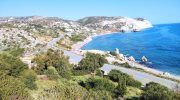
Cyprus is home to two major salt lake systems that serve as crucial stops for thousands of birds during their migration between Europe and Africa. The Larnaca Salt Lake complex lies near the island's southeastern coast, while the Akrotiri Salt Lake sits southwest of Limassol. Both wetlands hold international ecological significance and attract up to 20,000 flamingos each winter, along with dozens of other bird species. The Larnaca Salt Lake Complex The Larnaca Salt Lake consists of four interconnected salt lakes covering 1,761 hectares southwest of Larnaca town. The largest lake is called Aliki, followed by Orphani, Soros, and the smallest, Airport Lake. The Airport Lake was separated from Orphani when Larnaca International Airport's runway was built, cutting it off from the main complex. The lakes measure 2.2 square kilometers total and sit just off the road to Larnaca International Airport, making them one of the area's most recognizable landmarks. Water depth reaches a maximum of one meter during winter. The lakes fill with water during the rainy season from November through March, then dry completely by summer, leaving exposed salt flats. During winter, between 2,000 and 12,000 greater flamingos arrive at Larnaca Salt Lake to feed on abundant brine shrimp. The dark red algae in the lake forms the base of the food chain, as the small shrimp feed…

Read more
Whispers from the Wild Stalks

Whispers from the Wild Stalks

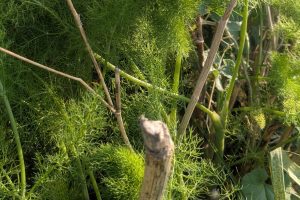
Imagine wandering through the sun-drenched fields of Cyprus, where a plant towers like a sentinel from ancient myths, its yellow blooms catching the breeze. This article invites you on a gentle journey to discover the giant fennel, a resilient Cypriot native that bridges legends of fire-thieves and hidden fungal treasures, leaving you pondering the quiet wonders hidden in everyday landscapes. A Gentle Giant's Greeting The giant fennel, known scientifically as Ferula communis, is a member of the vast carrot family, Apiaceae, which includes familiar herbs like parsley and dill. It's a perennial plant that dies back each summer only to burst forth anew, standing tall in open meadows and reminding us of nature's enduring cycles in the Mediterranean world. Echoes from Mythical Times In the mists of ancient history, giant fennel played starring roles in Greek legends that echoed across the sea to Cyprus. Prometheus, the daring Titan, famously hid stolen fire from the gods inside its hollow stem to gift humanity warmth and light. Followers of Dionysus, the god of wine and revelry, wielded staffs made from its stalks wrapped in ivy and topped with pine cones as symbols of joy and fertility during ecstatic festivals. On Cyprus itself, historical accounts from 19th-century explorers describe locals crafting stools and decorative items from its sturdy wood, a practice rooted in…

Read more
Stavrovouni Sacred Mountain Cyprus

Stavrovouni Sacred Mountain Cyprus

Rising 689 meters above the Mesaoria plain, Mount Stavrovouni has been a sacred site for over 2,000 years. The name derives from two Greek words: stavros (cross) and vouno (mountain), literally meaning "Mountain of the Cross." The monastery follows the strict ascetic rule of Saint Basil and maintains traditions similar to those of Mount Athos in Greece. The site is recognized as the earliest documented monastery in Cyprus. The oldest written reference appears in Byzantine records from the 4th century and confirms its establishment as a major religious center. A Russian monk named Abbot Daniel visited in 1106 and left detailed accounts of the monastery and its sacred artifacts in his travel memoirs. The monastery operates as a working religious community with approximately 20 monks dedicated to lifelong ascetic principles. Following Mount Athos traditions, the monastery prohibits women from entering its grounds, though female visitors can access the nearby chapel of Agia Varvara at the mountain's base. Historical Background Historical accounts and local traditions attribute the founding of the monastery to Helena, the mother of Emperor Constantine, in the early 4th century. While visiting the region, she is said to have identified various archaeological sites and artifacts associated with early Christian history, which led to the establishment of the mountain's first chapel. On her return to Constantinople, Helena’s ship encountered a…

Read more