Explore Cyprus with Our Interactive Map

Explore our top stories and discover ideas worth your time.

Blooms from the Ironclad Hills

Blooms from the Ironclad Hills

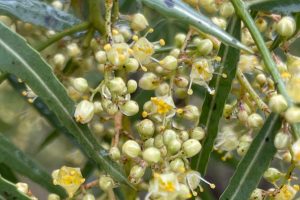
Picture a rugged cliffside in northern Cyprus, where a sturdy herb clings to limestone cracks, its yellow flowers nodding in the breeze like tiny suns defying the harsh terrain. This is mountain tea, or Sideritis, a group of wild herbs cherished across the Mediterranean, but in Cyprus, home to a rare endemic species that tells a story of resilience and ancient healing. A Humble Herb with Aromatic Kin Mountain tea belongs to the vast mint family, a diverse clan of over 7,000 species that includes everyday favorites like basil, rosemary, and oregano – all sharing square stems and leaves brimming with fragrant oils. In simple terms, it's a wild shrub that thrives in sunny, dry spots, much like its relatives that spice up gardens and wild meadows worldwide. Roots in Healing Traditions The name Sideritis echoes ancient Greek for "iron," perhaps from its use in treating wounds from iron weapons or its tough, iron-like endurance. In Cyprus, its history ties back to early island dwellers who gathered wild herbs for teas and salves, much like across the Mediterranean where healers like Dioscorides praised it in texts from 2,000 years ago. Over centuries, it became a folk staple, brewed by shepherds for strength and shared in villages as a soothing sip amid the island's shifting empires and climates. Woolly Stems and…

Read more
Cyprus Food Festivals

Cyprus Food Festivals

Culinary festivals in Cyprus are not staged food shows or seasonal attractions created for visitors. They are extensions of village life, shaped by agriculture, memory, and the belief that food is meant to be shared. Across the island, festivals dedicated to wine, halloumi, olives, and everyday cooking traditions offer a way to understand Cyprus through participation rather than observation. Food as a Social Language In Cyprus, food festivals usually revolve around a single local product or a small group of related dishes. These events are organised by municipalities, village councils, or community groups, not private promoters. Their purpose is communal before it is celebratory. Recipes, techniques, and rituals that rarely appear in written form are performed publicly, often by people who learned them informally from parents and grandparents. Preparing food together, offering it freely, and eating collectively reinforces the Cypriot idea of hospitality, where sharing food is inseparable from social belonging. Festivals Guided by the Agricultural Calendar The timing of culinary festivals follows the land rather than marketing schedules. Cyprus’s climate supports vineyards, olive groves, dairy farming, and small-scale agriculture, and festivals emerge naturally around moments of harvest and seasonal transition. Spring festivals often highlight fresh produce and early agricultural yields. Summer events reflect abundance and outdoor life, while autumn brings the most significant celebrations, particularly those dedicated to grapes,…

Read more
Sweet Whispers from the Cypriot Countryside

Sweet Whispers from the Cypriot Countryside

On warm spring mornings across Cyprus, a subtle licorice-like fragrance drifts through sunlit fields and village gardens. This comes from a graceful little herb known as Anise, or Pimpinella anisum. Though modest in size, it has woven itself into the island’s traditions for flavour, comfort, and quiet beauty inviting us to look closer at one of the Mediterranean’s most aromatic treasures. Discovering the Gentle Anise Herb Anise is a charming annual plant belonging to the Apiaceae family the vast “umbellifer” clan that also includes carrots, parsley, fennel, and dill. In broader terms, these plants are famous for their umbrella-shaped flower clusters and distinctive scents. Here in Cyprus, our species stands out as a delicate member of this group, offering sweet seeds that have been prized since ancient times. Whether you call it aniseed or simply the “sweet one,” it is an easy-to-love herb that feels right at home under our Mediterranean sun. Echoes from Ancient Mediterranean Shores Anise has deep roots in the eastern Mediterranean, with Cyprus proudly included in its native range. People have cultivated it for over 4,000 years – first in ancient Egypt, then across Greece and Rome. The Greek name ἄνηθον (ánēthon) even echoes in its story, though it originally pointed to dill. Modern name for Anise is Γλυκάνισο. In Cyprus, historical records and village memory…

Read more