Explore Cyprus with Our Interactive Map

Explore our top stories and discover ideas worth your time.

Pafos Aphrodite Festival

Pafos Aphrodite Festival

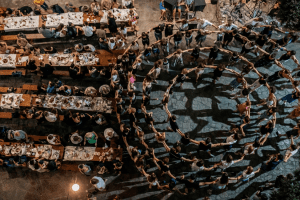
Each September, the ancient harbor of Pafos becomes something rare: a place where opera, history, and landscape converge without competing for attention. The Pafos Aphrodite Festival transforms the space in front of a medieval castle into an open-air opera stage, offering full productions in a setting shaped by sea air, stone walls, and night sky. What makes the festival distinctive is not only its musical ambition, but how naturally it belongs to its surroundings. When Opera Leaves the Opera House The Pafos Aphrodite Festival is Cyprus’s leading international opera event, held annually in late August or early September in the coastal city of Pafos. Performances take place outdoors, directly in front of Pafos Medieval Castle, using the historic harbor as both venue and atmosphere. Rather than recreating the formality of a traditional opera house, the festival embraces openness. Music is performed under the sky, with the sea close by and the castle standing as a silent witness. The experience feels ceremonial, but not enclosed, allowing opera to exist in dialogue with place rather than behind walls. A Cultural Decision, Not an Accident The festival was established in 1998, with its first performance staged in 1999. Its creation was a deliberate attempt to reposition Pafos as more than a seasonal beach destination. Local cultural institutions and authorities sought a flagship event…

Read more
Roman Paphos Mosaics

Roman Paphos Mosaics

The Roman mosaics of Nea Paphos, especially in the House of Dionysos and the House of Theseus, were designed to do more than decorate elite homes: they signalled status, shaped movement, and communicated authority through myth. In the island’s administrative capital, these floors turned private reception rooms and official spaces into visual statements about leisure, order, and governance. This article explains how the two houses use different mosaic programs, what the imagery was meant to achieve, and why Paphos remains one of the clearest places to read Roman power at ground level. Nea Paphos, Built for Rule Nea Paphos rose to prominence because of its political role. From the late Hellenistic period onward, the city served as the administrative capital of Cyprus, first under the Ptolemies and later under Roman rule. When Rome formally annexed the island in the first century BCE, Paphos retained its status as the seat of the proconsul, making it the centre of imperial authority on the island. This political importance shaped the city's architecture. Elite residences were not hidden private retreats. They were positioned close to public spaces, built on a grand scale, and designed to receive visitors. In this context, the floors mattered. Mosaics were among the most visible and expensive features of a Roman house, and in Paphos, they became tools for communicating…

Read more
Cyprus Mythological Locations

Cyprus Mythological Locations

Cyprus isn't just an island of beaches and ancient ruins - it's the legendary birthplace of Aphrodite, the goddess of love and beauty. For thousands of years, pilgrims, poets, and lovers have traveled here seeking the divine magic said to linger in its shores, and the myths born on this island have shaped Western culture in ways that still resonate today. An Island Steeped in Divine Legend Cyprus holds a unique place in Greek mythology as the earthly home of Aphrodite. According to legend, the goddess emerged from the sea foam near Cyprus's shores, making the island sacred ground. The connection runs so deep that Aphrodite herself was often called "Kypria" - the Cyprian goddess - a title that linked her identity inseparably to this Mediterranean island. Beyond Aphrodite, Cyprus is woven into myths involving tragic love, divine kings, and miraculous transformations. These stories explained the island's remarkable fertility, legendary copper wealth, and status as a crossroads of cultures. Today, these myths remain alive in the landscape itself. From Ancient Cults to Eternal Legends Long before classical Greek myths were written down, Cyprus was home to fertility cults dating back to Neolithic times. When Mycenaean Greeks arrived around the 12th century BC, they built temples and gradually merged local worship traditions with their own pantheon, creating a unique Cypriot version…

Read more