Explore Cyprus with Our Interactive Map

Explore our top stories and discover ideas worth your time.

Coral Bay Beach, Paphos, Cyprus

Coral Bay Beach, Paphos, Cyprus

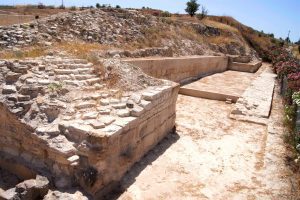
The beach stretches approximately 500 meters along a horseshoe-shaped bay. Two limestone headlands flank the shoreline and create natural protection from strong winds and waves. This geographical formation keeps the waters remarkably calm even when other beaches experience rough conditions. The sand at Coral Bay is fine and golden, considered among the best examples of sandy beach terrain in Cyprus. Unlike many Mediterranean beaches that feature pebbles or coarse sand, Coral Bay offers soft sand that remains comfortable for barefoot walks and beach activities. The waters are shallow and clear enough to see the seabed, which makes the beach particularly suitable for children and less confident swimmers. Cyprus recognized Coral Bay as its ninth plastic-free beach, part of a broader environmental initiative to reduce plastic waste along the island's coastlines. This designation reflects ongoing efforts to maintain the beach's natural beauty and protect marine ecosystems. Historical Background At the northern end of Coral Bay sits the Maa-Paleokastro archaeological site, where the first Mycenaean Greeks settled in 1200 BC. These settlers arrived on Cyprus after the fall of the Mycenaean kingdoms in mainland Greece. The site marks the beginning of the Hellenization of Cyprus, the process through which Greek language and culture spread across the island. The settlement takes its name from its imposing defensive walls, which were always visible and…

Read more
Colchicum Troodi In Cyprus

Colchicum Troodi In Cyprus

Picture this: as the summer heat fades in Cyprus, delicate white flowers suddenly pop up from the bare ground in the mountains, like little surprises from nature. Colchicum troodi is one of the island's special plants, blooming in fall and hiding a few secrets that make it both beautiful and a bit mysterious. But why does it flower "naked," and what ancient stories does it carry? What Exactly Is This Quirky Cypriot Bloom? Colchicum troodi or “Troodos’s Naked lady” is a small, wild flowering plant that's unique to Cyprus — meaning it grows nowhere else in the world. It's a type of perennial that sprouts from an underground bulb-like structure called a corm, and it belongs to the Colchicaceae family, which includes other autumn-blooming flowers. Think of it as Cyprus's own version of an autumn crocus, adding a touch of color to the landscape when most plants are winding down. How Did This Flower Emerge from Cyprus's Ancient Past? The story of Colchicum troodi goes back to 1865, when Austrian botanist Theodor Kotschy discovered it during his travels across Cyprus and named it after the Troodos Mountains where he found it. The genus name "Colchicum" comes from Colchis, an ancient region on the Black Sea coast in what's now Georgia, tied to Greek myths about the sorceress Medea who used…

Read more
Integration of Text and Image

Integration of Text and Image

Integration of text and image in Cypriot art blended inscriptions, symbols, and visual motifs to strengthen authority, devotion, or communal memory across the island. From ancient seals to tombstones and coins, this mix created powerful messages that went beyond words or pictures alone, preserving connections to gods, rulers, and shared histories. This approach transformed simple items into enduring records of cultural values in Cypriot life. A Clever Blend Across the Island Ancient Cypriot art featured a seamless combination of text and imagery, extending from coastal regions to mountainous interiors. Inscriptions were not isolated from visuals; they intertwined on artifacts ranging from compact seals to large monuments. This integration served purposeful ends, such as enhancing a deity's depiction with a name to affirm power or devotion. Sites like Enkomi in the east or Idalion inland demonstrate how this fusion conveyed concepts of faith, leadership, and heritage, converting ordinary objects into instruments for recollection and reverence. Roots in a Busy Island World This artistic practice originated around 2000 BC during the Bronze Age, when Cyprus functioned as a trade nexus incorporating elements from Greece, Egypt, and the Near East. Early seals from locations like Enkomi paired basic depictions of animals or figures with markings that may represent proto-writing, laying groundwork for subsequent combinations. The Iron Age after 1050 BC saw Greek arrivals…

Read more