Explore Cyprus with Our Interactive Map

Explore our top stories and discover ideas worth your time.

Cyprus Scenic Mountain Passes

Cyprus Scenic Mountain Passes

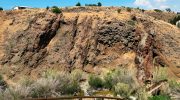
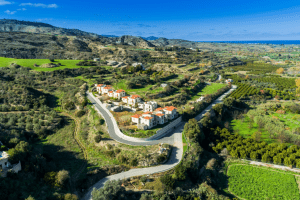
Cyprus mountain roads offer some of the Mediterranean's most spectacular drives, with routes that climb from sea level to nearly 2,000 meters through ancient forests, traditional villages, and panoramic viewpoints. These roads showcase the island's dramatic geography while connecting travelers to centuries of history and natural beauty. Mount Olympus Road The road to Mount Olympus climbs to 1,952 meters above sea level, making it the highest point on the island. Two military bases occupy the summit, one British, limiting public access to the very top. However, roads leading toward the peak provide stunning views of surrounding valleys and forests. The journey starts from several possible directions, with routes from Limassol through Platres being among the most popular. The ascent features countless switchbacks and hairpin turns as the road gains elevation. Dense pine forests cover the mountainsides, giving way to more exposed terrain at higher altitudes. Winter transforms this area into Cyprus's only ski destination, with snow covering the peaks from January through March. Drivers should fill fuel tanks before attempting the climb because petrol stations become scarce above 1,000 meters. The temperature drops noticeably with altitude, sometimes falling 10 degrees Celsius cooler than coastal areas. This makes the mountain roads a welcome escape during summer heat but creates challenging conditions in winter when ice forms on shaded sections. Cedar Valley…

Read more
Golden Wreath Wattle of Cyprus

Golden Wreath Wattle of Cyprus

Picture a roadside verge or coastal slope in late February, when the Mediterranean light turns sharp and warm. Suddenly, whole thickets explode into vivid, butter-yellow spheres that light up the landscape like thousands of tiny suns. These are the wattles of Cyprus Australian guests that arrived with good intentions but have written their own lively, sometimes challenging chapter in the island’s green story. Wattles in the World of Legumes Wattles belong to the enormous Acacia genus within the Fabaceae (legume) family – the same botanical clan as peas, beans, carobs and acacias of the ancient world. Most of the 1,000-plus Acacia species are native to Australia, where they are proudly called “wattles”. In Cyprus the star of the show is Acacia saligna, the golden wreath wattle or orange wattle, though a handful of other species (A. farnesiana, A. ligulata, A. karroo) appear in small numbers. Locally they are simply known as Ακακία (Akakia) – a name that echoes the ancient Greek “akakia”, used two thousand years ago by Dioscorides for the gum of Egyptian acacias. From Australian Shores to Cypriot Soil When British foresters took charge in 1878 they faced an island stripped of much of its woodland by centuries of grazing and fuelwood cutting. Following earlier recommendations by French arborist P.G. Madon (1881), they turned to fast-growing exotics. Acacia…

Read more
Sheftalia Cypriot Street Food

Sheftalia Cypriot Street Food

Sheftalia is a traditional Cypriot sausage made from ground meat wrapped in caul fat, a thin membrane that surrounds animal organs. The mixture uses pork, lamb, or a combination of both, along with finely chopped onions, fresh parsley, and basic seasonings. The meat is formed into oval shapes and encased in the lacy caul fat before grilling over charcoal. Unlike standard sausages that use casings, sheftalia relies on this natural membrane that melts during cooking. This creates a crispy exterior while the fat bastes the meat from the outside, keeping it tender and moist inside. The name comes from the Turkish word "şeftali," which means peach, likely referring to the texture or appearance of the finished product. Historical Context Sheftalia appeared in Cyprus during the 19th century, when meat was expensive and cooks found ways to maximize every part of the animal. The caul fat, which might otherwise go unused, became the perfect wrapper to preserve moisture and enhance flavor. Two theories explain the name's origin: The first connects it to "şeftali kebabı," meaning peach kebab in Turkish, possibly describing the texture. The second attributes it to a Turkish Cypriot street vendor called Şef Ali, or Chef Ali, who supposedly created "Şef Ali kebabı," which eventually became known as sheftali or sheftalia. The dish reflects Ottoman influence on Cypriot cooking…

Read more