Explore Cyprus with Our Interactive Map

Explore our top stories and discover ideas worth your time.

Cyprus E4 Trail – Europe Long Distance Route

Cyprus E4 Trail – Europe Long Distance Route

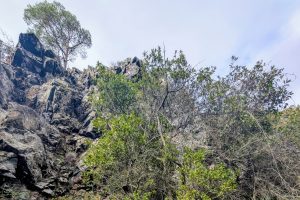
The E4 European Long Distance Path stretches over 10,450 kilometers from Tarifa in southern Spain to Cyprus, making it one of the most ambitious hiking routes in the world. The Cyprus section was added to the route in 2005 following a proposal by the Greek Ramblers Association to the European Ramblers Association. The trail connects Larnaca and Paphos international airports across approximately 540 to 660 kilometers depending on the route taken. The path crosses Spain, France, Switzerland, Germany, Austria, Hungary, Serbia, Bulgaria, Greece, and Crete before reaching Cyprus as its final destination. The Cyprus segment traverses the Troodos mountain range, the Akamas Peninsula, and long stretches of countryside through regions of exceptional natural beauty and ecological importance. Cyprus became only the second island on the entire E4 route, after Crete, making it a unique endpoint for this continental trail system. The development of Cyprus's section The Cyprus Forestry Department developed the island's E4 section in collaboration with the Cyprus Tourism Organisation to create a cross country route that showcases the island's diverse landscapes. The trail follows a primarily west to east direction, though it includes a significant loop at the eastern end near Larnaca. The route was carefully designed to balance accessibility with wilderness experience, passing through remote forest areas, traditional mountain villages, and coastal regions. The Department of Forests…

Read more
Karpasia Peninsula Climate

Karpasia Peninsula Climate

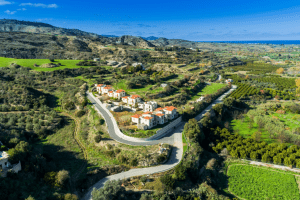
Karpasia Peninsula Sub-Humid Climate is marked by a slightly wetter profile in Cyprus's northern region, supporting lush scrub, wetlands, and seasonal agriculture. This climate, with higher rainfall than the island's interior, creates diverse habitats from coastal dunes to inland plains, fostering unique biodiversity and human activities. It shapes a landscape where moisture gradients influence everything from plant life to settlement patterns, highlighting the peninsula's role as a transitional zone in the eastern Mediterranean. A Wetter Northern Haven on the Island The Karpasia Peninsula, also known as the "panhandle" of Cyprus, extends 80 kilometers into the Mediterranean from the island's northeast, encompassing a sub-humid climate that distinguishes it from the drier central Mesaoria Plains. Annual rainfall averages 450-550 millimeters, about 20-30% higher than inland areas, concentrated in winter months from November to March, with mild temperatures ranging from 15-20°C. Summers are warm, with highs of 30-35°C moderated by sea breezes, and lower evaporation rates due to coastal proximity. This slight increase in moisture supports lush maquis scrub dominated by evergreen shrubs like lentisk (Pistacia lentiscus) and wild olive (Olea europaea), wetlands that form ephemeral lagoons, and seasonal agriculture focused on rain-fed crops like wheat and barley. The climate's balance creates isolated niches, where freshwater sources and salt marshes coexist, making Karpasia a biodiversity hotspot with over 600 plant species and a…

Read more
Cyprus Quality Of Life Work

Cyprus Quality Of Life Work

Cyprus offers a compelling combination of Mediterranean island living with modern European employment standards. The cost of living in Cyprus is approximately 12 percent cheaper than in the UK, while the quality of life is high, owing to Cyprus being one of the safest countries in the world. Cyprus was ranked as the 5th best place for lifestyle amongst major European cities and is certainly a fantastic place to live and raise a family. With its year-round sunlight, distinctive natural landscapes, and rich culture, the nation boasts an appealing environment and lifestyle, offering families a perfect combination to enjoy life and work. Standard Working Hours and Time Flexibility The standard time norm of working in Cyprus is 40 hours for a 5-day working week. This can vary per industry but is within the limits of 40 to 46 hours, and overtime is generally paid. This gives a lot of employees the opportunity to maintain a good work-life balance and unwind earlier than in other European countries. Normal office hours are between 8:30 AM to 1 PM and from 2 PM to 5:30 PM, although some offices will take a longer lunch break or work shorter days during the summer months. Government offices open between 7:30 AM to 8:30 AM and then close between 2:30 PM to 3:30 PM. Banks are…

Read more