Explore Cyprus with Our Interactive Map

Explore our top stories and discover ideas worth your time.

Vavla Village

Vavla Village

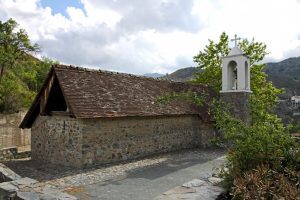
Vavla is a small mountain village situated in the Larnaca district of Cyprus, approximately 38 kilometers west of Larnaca city and 450 meters above sea level. The village lies in the foothills of the Troodos mountains, positioned between the major cities of Larnaca, Limassol, and Nicosia, each within 25 to 40 minutes by car. With fewer than 100 permanent residents, Vavla has been officially declared a Preserved Village by the Cyprus authorities due to its traditional white stone architecture built from local Lefkara limestone. The village stands on the geological boundary between Lefkara limestone formations and the volcanic earth of Troodos, creating a unique microclimate that supports rich vegetation, including three rare species and 18 endemic plant varieties. Historical Origins The exact founding date of Vavla remains unknown, though archaeological evidence confirms human settlement in the area since ancient times. The village appears on a French map from 1367 as "Vala" or "Vaules" and on another from 1423 as "Vaula." Two competing theories explain the village name. One suggests it derives from a feudal lord named De Vavyla who controlled the area including Vavla, Kato Drys, and Lefkara during the Lusignan period in the 14th century. The alternative theory claims the name comes from a plant that grew along the Nile River banks in Egypt, which village residents brought to…

Read more
How Ancient Harbors Shaped Cyprus Cities

How Ancient Harbors Shaped Cyprus Cities

Cyprus did not become influential in the ancient Mediterranean by expanding inland or building empires on land. Its power grew from the edge of the sea. During the Bronze Age, natural harbors along the Cypriot coast evolved into gateways that connected the island to distant worlds. These maritime entry points shaped cities, concentrated wealth, and transformed Cyprus from a resource-rich island into a central player in early Mediterranean exchange. To understand Bronze Age Cyprus, it is necessary to look not at walls or palaces first, but at the waterlines where ships arrived. Where Land Met Opportunity Bronze Age harbors were not abstract ideas or convenient backdrops. They were the practical foundations of coastal life. In Cyprus, sheltered bays, shallow inlets, and calm lagoons allowed early ships to anchor safely, beach their hulls, and unload heavy cargo. These locations quickly attracted people. What began as seasonal landing points became permanent settlements built around maritime access. Harbors created opportunity. Inland communities focused on farming and mining, but coastal settlements gained something more powerful. They gained connection. Through the sea came materials, skills, and ideas that reshaped how people lived and governed. Over time, the harbor was no longer just part of the city. It became its reason for existence. A Coastline Designed for Exchange Cyprus was unusually well positioned for Bronze Age…

Read more
Cyprus Tourist Travel Routes

Cyprus Tourist Travel Routes

Cyprus offers distinct travel paths that showcase different aspects of the island within compact distances. The most popular routes connect coastal cities, ancient archaeological sites, mountain villages, and natural landmarks. Each path reveals unique character, from beach-focused coastal routes to cultural exploration in the mountains. The island spans just 240 kilometers east to west and 96 kilometers north to south, making multiple routes accessible during a single visit. Well-maintained roads, clear signage in both Greek and English, and short drive times allow travelers to experience varied landscapes within hours. These established paths have developed over years of tourism, balancing accessibility with authentic experiences. The Coastal Circuit from East to West The main coastal route runs from Larnaca through Limassol to Paphos, covering approximately 130 kilometers. This path represents the classic Mediterranean Cyprus experience with beaches, resorts, and seaside culture. Larnaca serves as the typical starting point, located near the island's main international airport. The city offers Finikoudes Beach with its palm-lined promenade and the Church of Saint Lazarus, a 9th-century structure housing the saint's tomb. The route continues east to Ayia Napa and Protaras, known for exceptional beaches. Nissi Beach in Ayia Napa features fine white sand and crystal-clear waters, ranked among Cyprus's prettiest beaches. Cape Greco National Forest Park provides coastal walking trails, sea caves, and the Love Bridge…

Read more