Explore Cyprus with Our Interactive Map

Explore our top stories and discover ideas worth your time.

Cyprus Honey

Cyprus Honey

Honey in Cyprus is not simply a food product. It reflects landscape, climate, and survival shaped over centuries. Produced mainly in mountain and rural areas, Cypriot honey carries the character of wild thyme, pine forests, citrus groves, and seasonal movement across the island. Long before sugar became common, honey served as the primary sweetener, a form of medicine, and a symbol of hospitality. Its role has never disappeared. Instead, it has evolved alongside changing lifestyles and technologies. An Island That Shapes Its Honey Cyprus’s geography plays a decisive role in how honey is produced. Two mountain ranges, varied elevations, and sharply contrasting microclimates allow flowering to unfold in stages rather than all at once. Coastal plains warm early in the year, while foothills and high mountain slopes bloom later, extending the foraging season for bees. This vertical landscape makes beekeeping in Cyprus inherently mobile. Apiaries are often moved throughout the year, following blossoms from lowland citrus groves to the thyme-covered slopes of the Troodos Mountains. Honey here is shaped as much by movement as by place, with each harvest reflecting a specific altitude, season, and environment. The Native Bee and Local Resilience At the heart of Cypriot honey production is a native honeybee adapted to the island's demanding conditions. This bee has developed endurance in heat, wind, and drought through…

Read more
Cave of the 40 Martyrs Troodos

Cave of the 40 Martyrs Troodos

Hidden in the hills near Protaras, the Cave of the 40 Martyrs is a small chapel carved into limestone rock. This place brings together ancient faith, natural geology, and centuries of devotion in one simple, quiet space. The cave church, known locally as Ayioi Saranta, sits in a natural limestone formation on Fanou Hill. The name translates to the Forty Saints, a direct reference to the 40 Martyrs of Sebaste. This is not a grand cathedral with ornate decoration. It is a cave with a white wall, a blue door, and a stone dome above. Inside, rough rock walls hold a few icons and candles. The floor was paved, but otherwise the cave remains much as nature formed it. The Story of the 40 Martyrs The dedication of this cave connects to events that happened over 1,700 years ago. In 320 AD, forty Roman soldiers from the Legio XII Fulminata refused to abandon Christianity during the persecution under Emperor Licinius I. They were stationed near Sebaste in what is now Turkey. Their punishment was brutal. According to Bishop Basil of Caesarea, who documented the story in the 4th century, the soldiers were stripped naked and left to freeze on a frozen lake during a winter night. One soldier gave in to the cold and ran to the warm baths on…

Read more
Best Cities in Cyprus For Retirees

Best Cities in Cyprus For Retirees

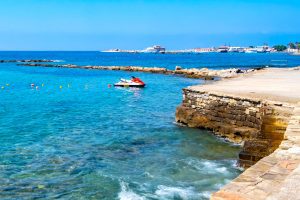
Cyprus has become one of Europe's most attractive retirement destinations, drawing more than 100,000 foreign retirees to its shores. The Mediterranean island offers a combination of year-round sunshine, affordable living costs, excellent healthcare, and favorable tax benefits. With over 320 sunny days annually, temperatures rarely dropping below 10°C in winter, and summers averaging 30-35°C, the climate alone makes Cyprus appealing. The island's strategic location between three continents, two international airports, and widespread English usage create an environment where retirees can maintain connections with loved ones while enjoying a relaxed Mediterranean lifestyle. A Mediterranean Haven for International Retirees Cyprus began attracting international retirees in significant numbers after introducing specialized visa programs in 2007. The island's appeal extends beyond weather and beaches. British nationals make up approximately 60,000 property owners, with about 50% concentrated in the Paphos district alone. This established expat presence means English-language services, familiar products, and social networks are readily available. The island's history as a British colony until 1960 left lasting infrastructure improvements and an administrative system that many Western retirees find familiar. Today, Cyprus offers two main residency paths for non-EU retirees: the renewable temporary residence permit (Pink Slip) requiring proof of annual income of at least €9,568, or permanent residency through property investment starting at €300,000. What Makes a City Retirement-Friendly Several factors determine whether a…

Read more