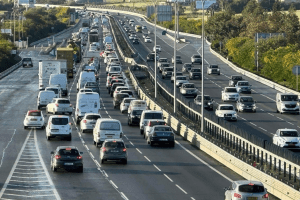
Cyprus faces a unique transportation challenge. With 658 automobiles per 1,000 people, the island holds one of the highest car ownership rates globally. Only 3% of journeys in Greater Nicosia use public transport, while cycling accounts for just 2%.
This heavy reliance on private vehicles contributes to traffic congestion, air pollution, and carbon emissions. However, the island is actively developing sustainable alternatives through government initiatives, infrastructure improvements, and European Union support.
Building a Greener Transport Network
Cyprus has committed to ambitious environmental targets. The National Energy and Climate Plan aims to increase renewable energy sources to 23% of total consumption and 14% in the transport sector by 2030.

The government launched Sustainable Urban Mobility Plans for Limassol and Larnaca, with a combined investment of over €100 million. These plans include 62 kilometers of improved transport corridors, dedicated bus lanes, cycling paths, three central bus stations, and four park-and-ride facilities. Larnaca began implementing its plan in late 2025, delivering new cycling lanes, redesigned bus corridors, improved pavements, and upgraded traffic systems through January 2027.
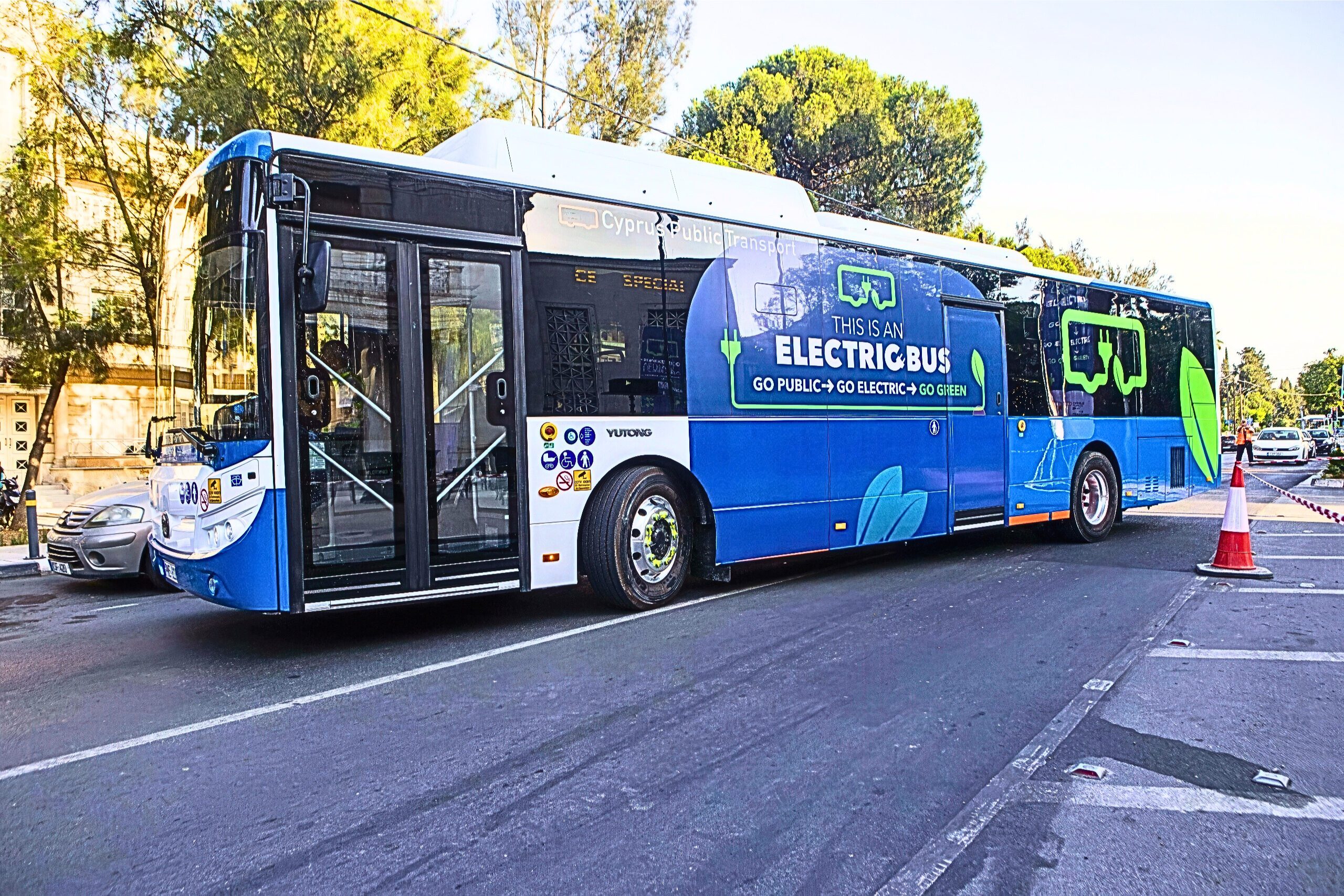
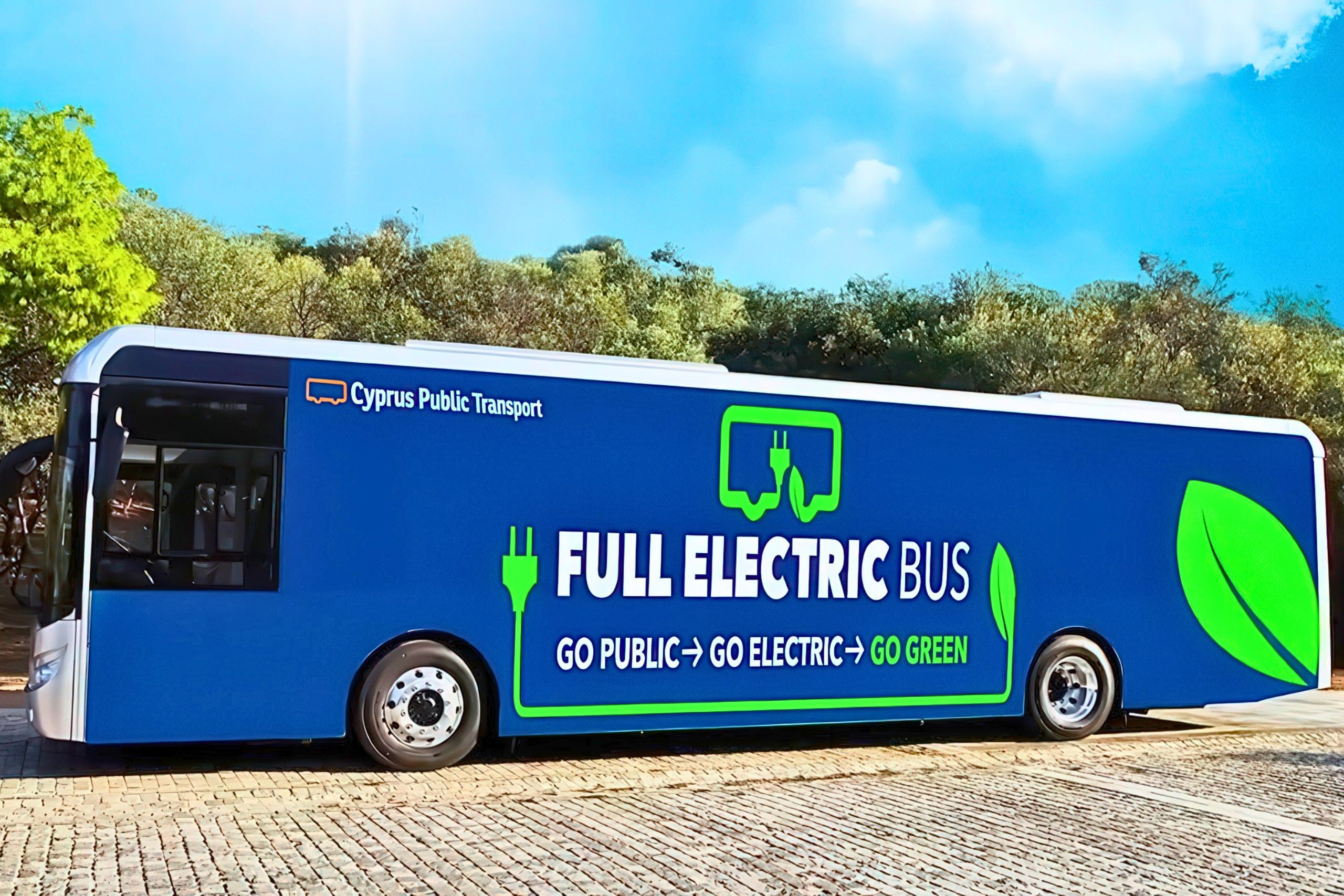
Cyprus Public Transport introduced the island’s first electric buses in 2023. These Yutong buses measure 12 meters long, accommodate up to 80 passengers, and feature accessible seating with designated wheelchair areas. The company is developing an advanced energy management system that integrates solar photovoltaic charging stations with battery storage for electric vehicles, supported by the European Green Deal priorities.
Electric Vehicles and Financial Support
The government provides substantial financial incentives for electric vehicle adoption. Current subsidies offer up to €9,000 for new battery electric vehicles with a maximum price of €80,000, €9,000 for used electric vehicles under three years old, and €15,000 for light commercial electric vehicles.
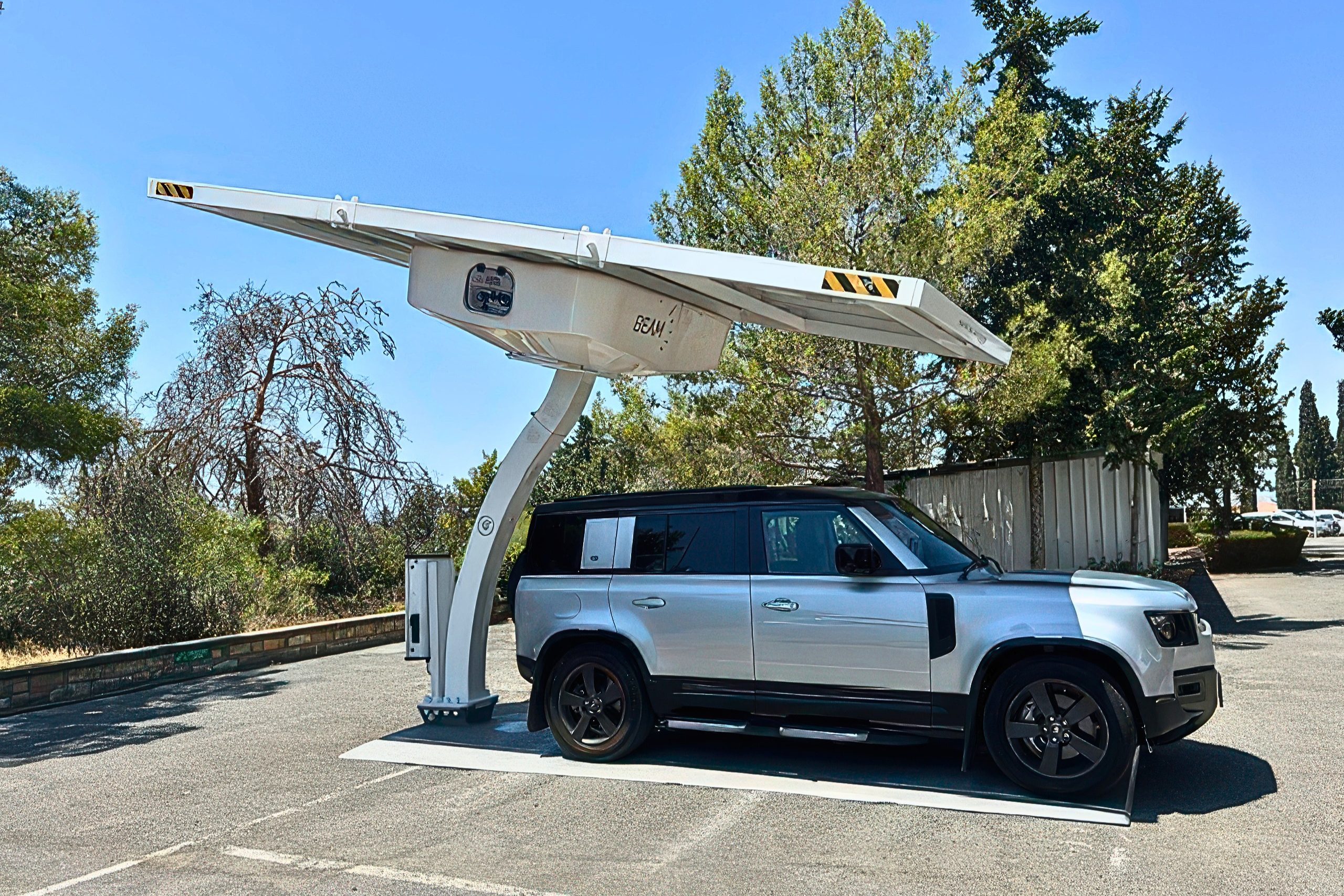
Taxi operators receive €20,000 for electric vehicle conversion. An additional €7,500 scrappage bonus applies when replacing old combustion vehicles with models emitting 50 grams of CO₂ per kilometer or less. The fourth phase of the electric mobility scheme, with a €4.5 million budget, expects to support approximately 450 new electric vehicle purchases.
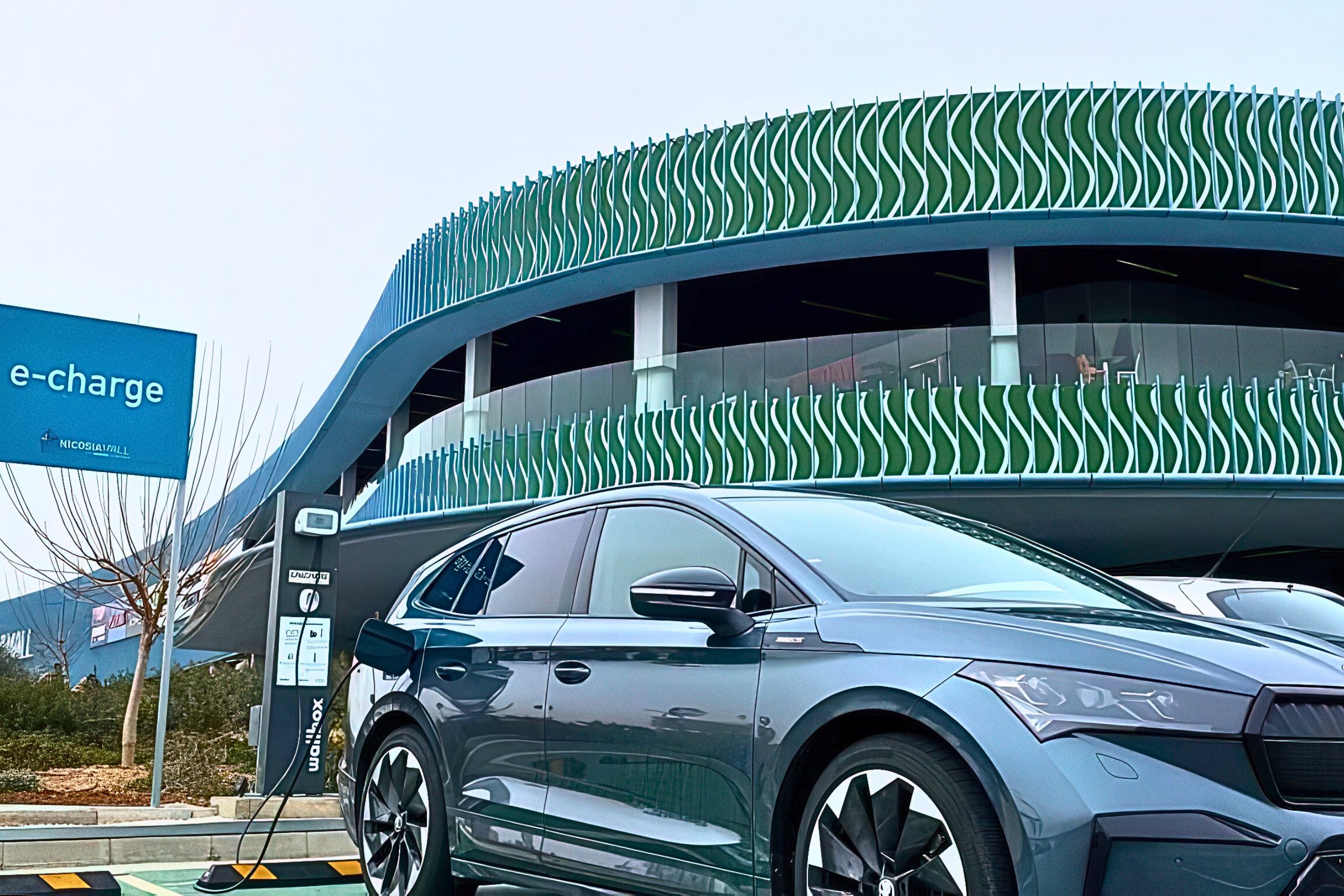
Cyprus currently operates 210 public charging stations across major cities. Limassol leads with 67 stations, followed by Nicosia with 46, Famagusta with 43, Paphos with 37, and Larnaca with 23. These range from AC chargers up to 22kW for slower charging to DC fast chargers between 50kW and 150kW.
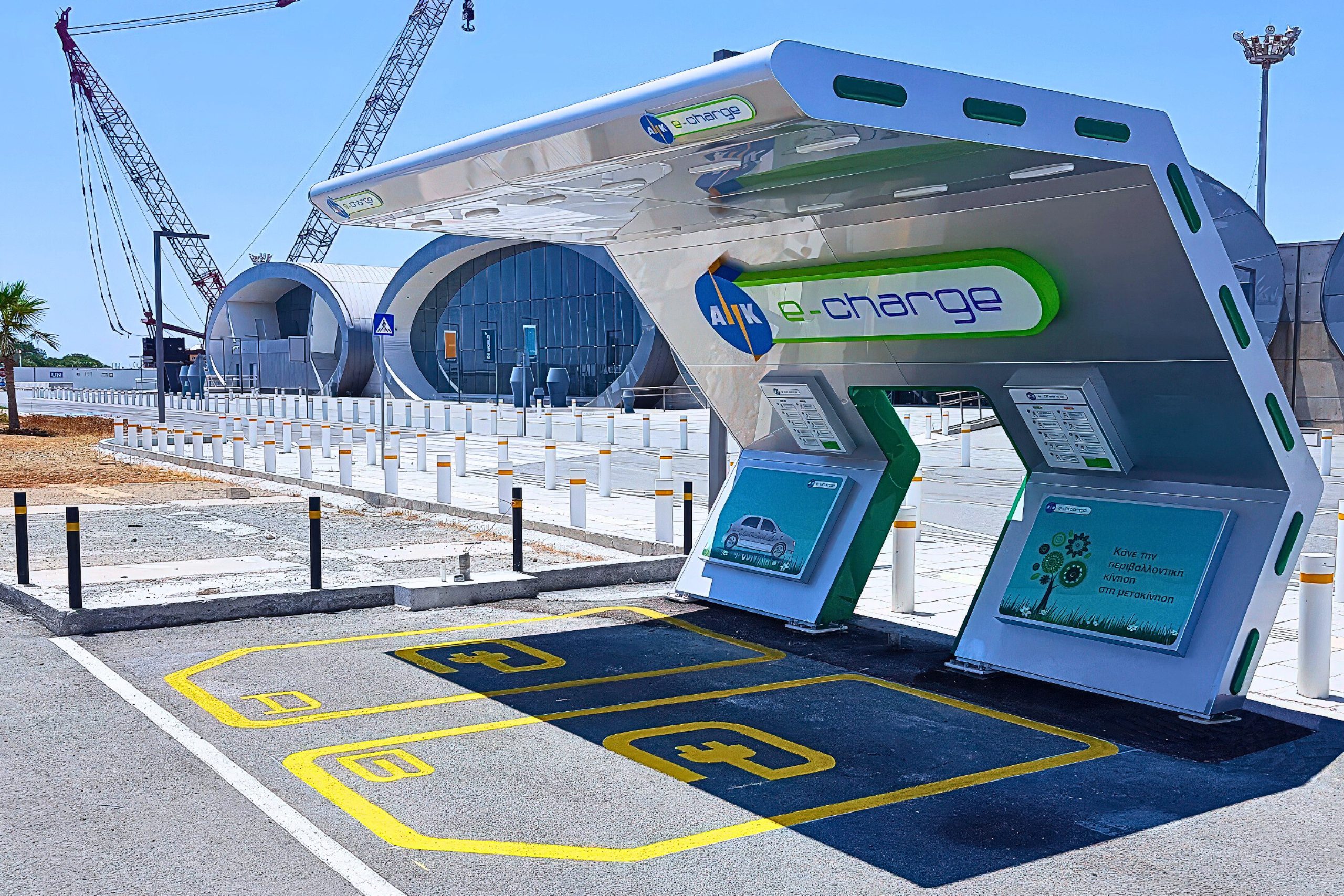
Ten additional 100kW fast-charging stations were scheduled for completion by the end of 2025. The “Electrification 1,000” program subsidizes 45% of charging station installation costs, while new commercial buildings with 20 or more parking spaces must install at least one electric vehicle charger from 2025 onward. Electric vehicle market share doubled to 4% in 2024, with hybrid vehicles reaching a record 44% share.
Public Transport Improvements
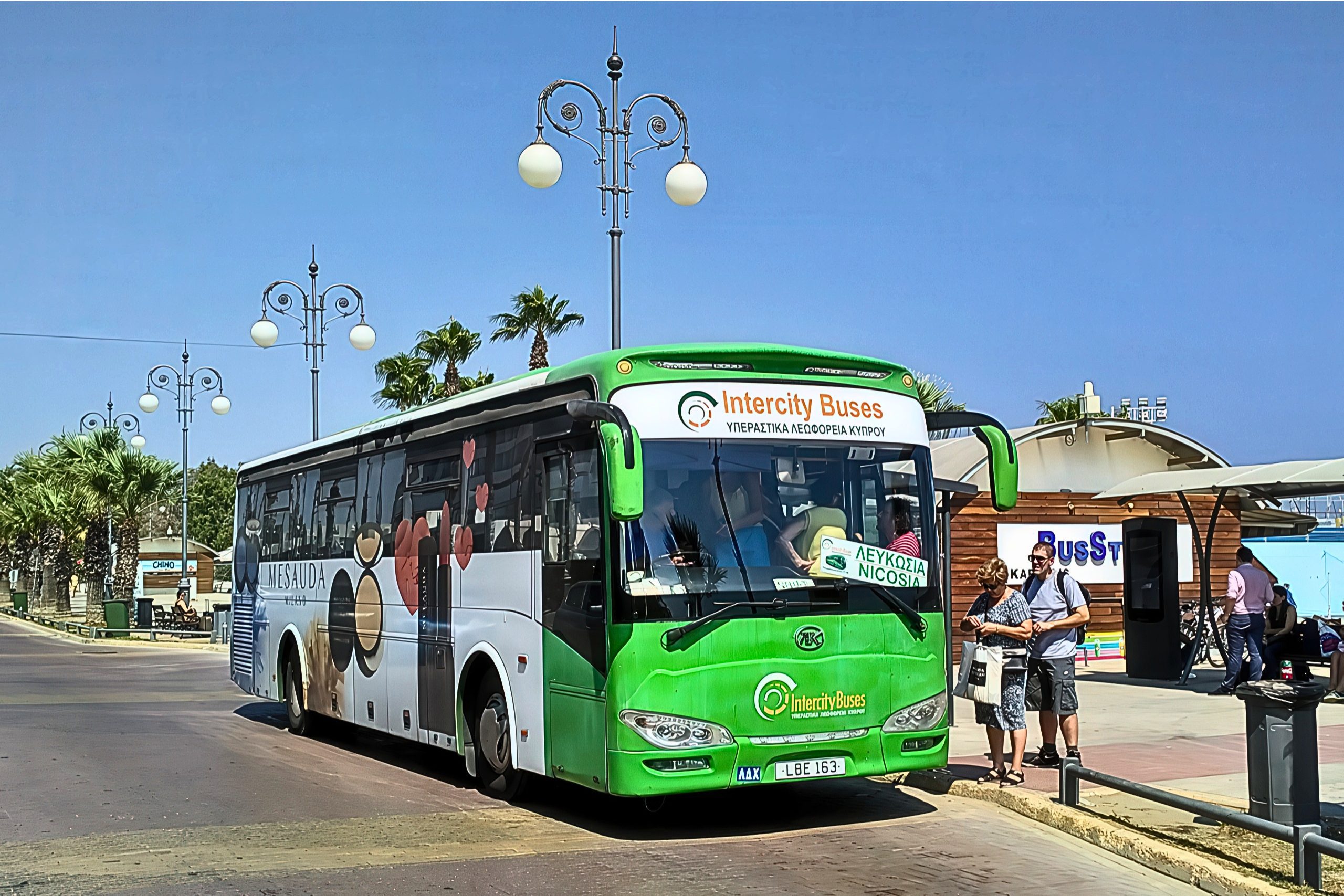
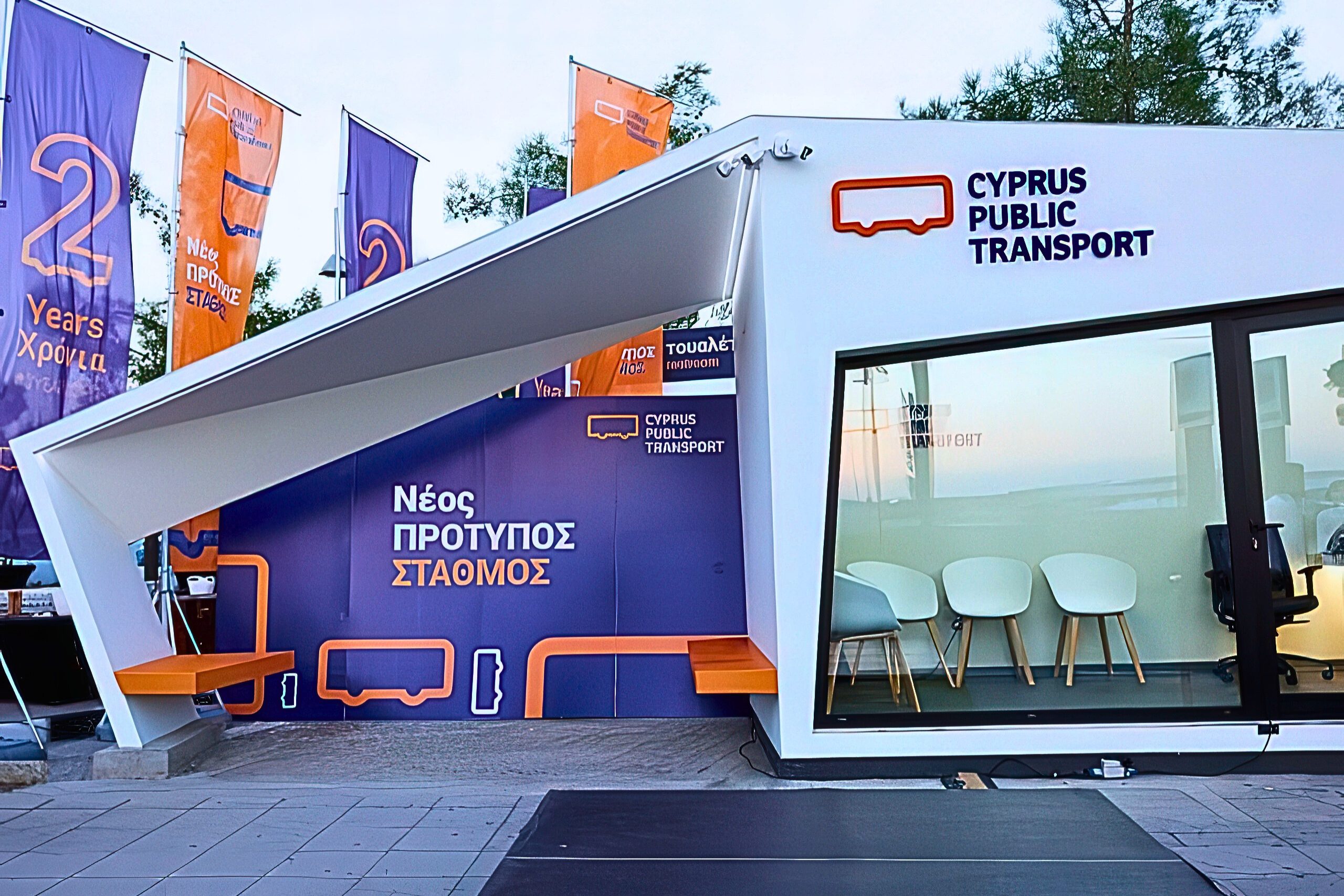
Bus services connect all major cities with frequent routes operating seven days per week. Cyprus Public Transport operates in Nicosia and Larnaca through NPT and LPT, while EMEL serves Limassol. The official “Cyprus Bus” application provides real-time bus arrival information at each stop. Intercity buses offer affordable alternatives to private vehicles, with professional drivers, no parking concerns, and reduced carbon footprint. In 2022, Nicosia modernized its public transport system with new route numbers, additional bus hubs, and updated buses across two phases.
Shared taxis, locally known as service taxis, connect major towns every half hour from Monday to Saturday between 06:00 and 18:00, with Sunday service from 07:00 to 17:00. These vehicles accommodate four to seven passengers sharing the cost between cities. Regular taxis serve local and intercity needs, with many companies offering online booking, fixed prices, and modern vehicles with air conditioning and Wi-Fi.
Cycling Infrastructure Development
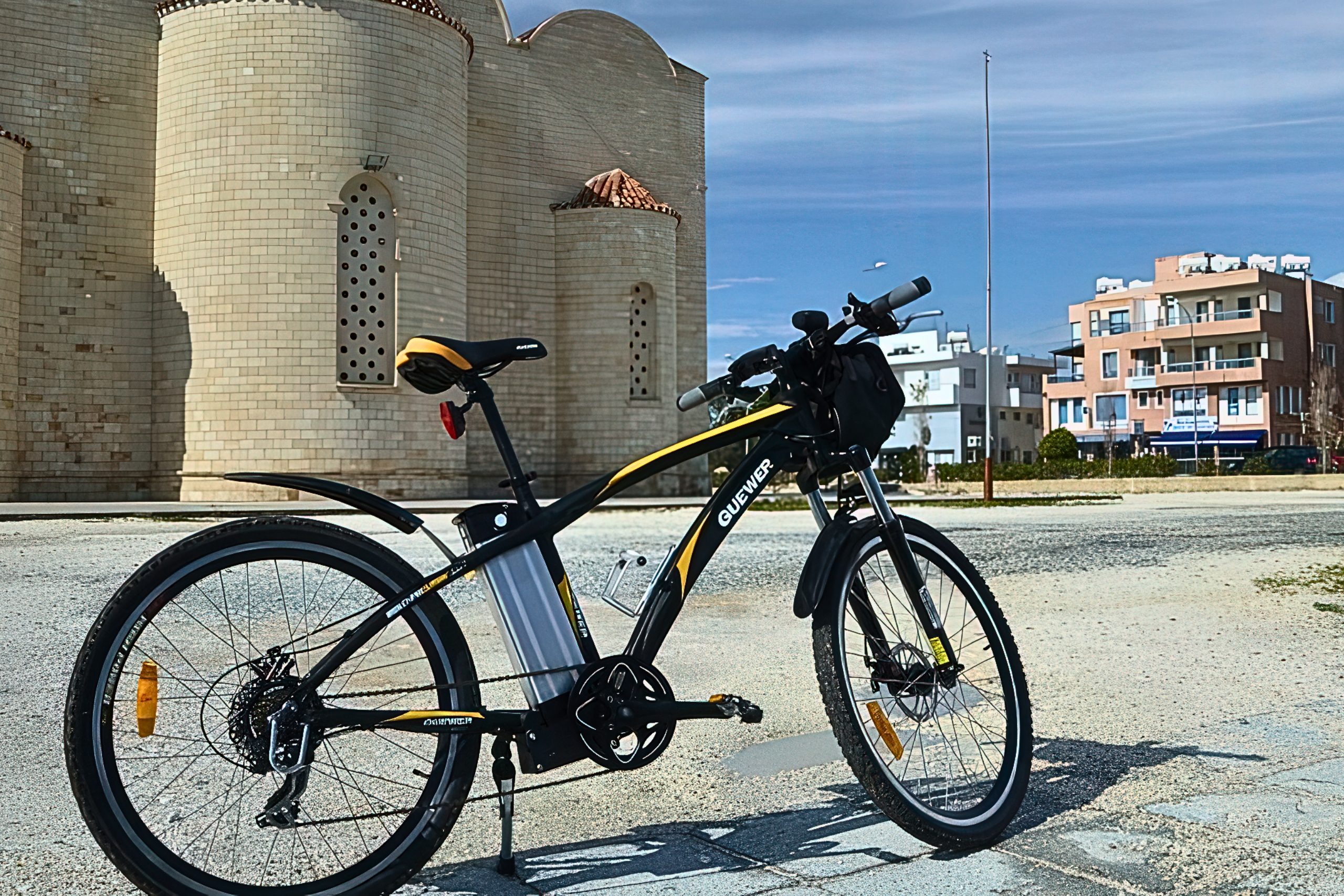
The government allocated €4 million between 2021 and 2023 to promote cycling as daily transport. This scheme includes dedicated bicycle lanes, reduced speed limits to 30 kilometers per hour in neighborhoods and town centers, traffic light regulation for cyclist safety, car-free Sundays, electric bicycle rentals, free bicycle transport on public vehicles, mobile applications showing cycling infrastructure, and covered bicycle parking. Government buildings receive changing rooms for employees who cycle to work, while businesses with cycling facilities earn climate neutrality certificates. Subsidies support new bicycle purchases and repairs. The G15 government subsidy program covers electric bicycle purchases.
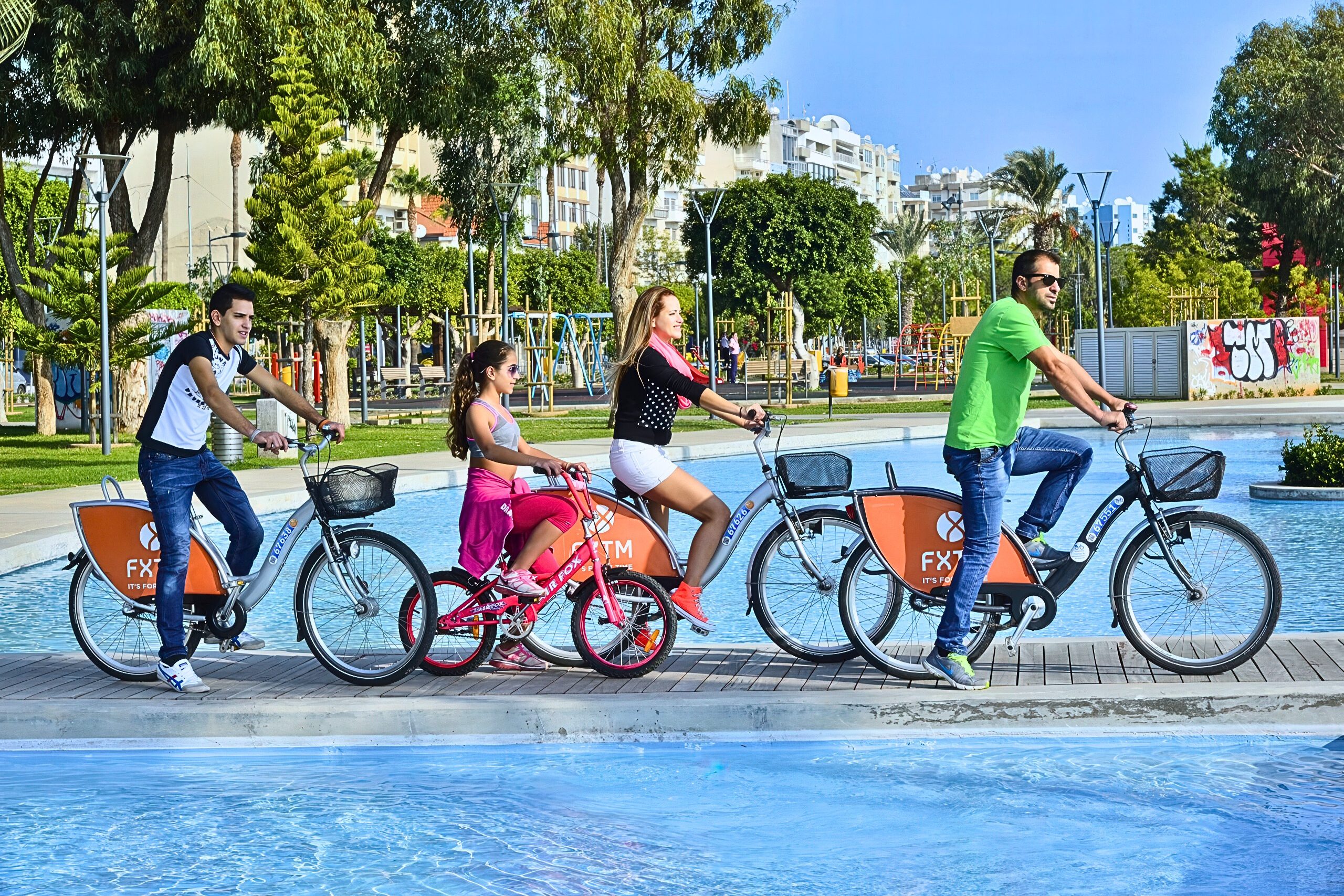
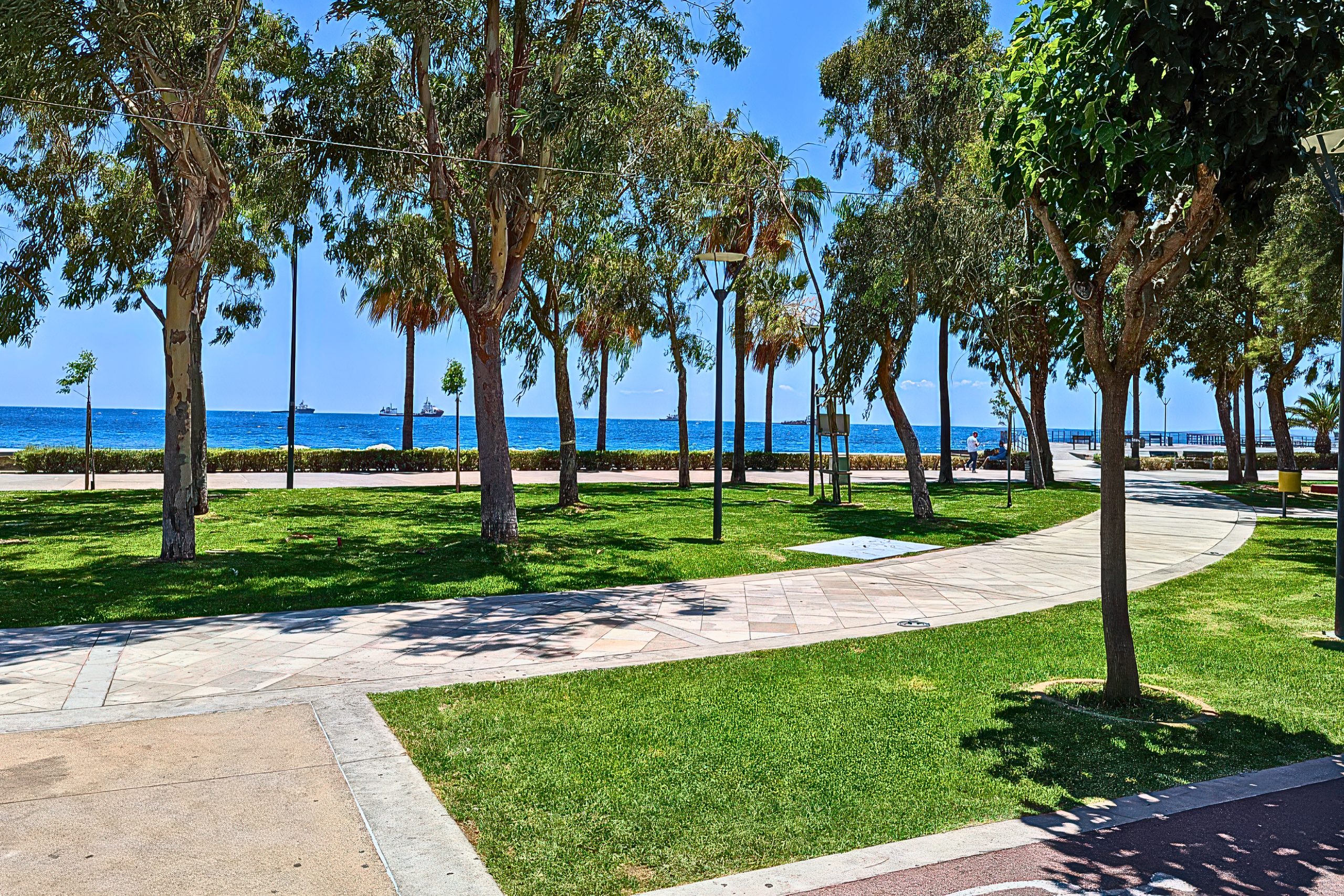
Cyprus Tourism Organization created a national cycling network with signposted routes in rural areas. The island forms part of EuroVelo 8, the Mediterranean cycle route. Bike centers offer rental services, route information, guide assistance, and support. Limassol features a five-kilometer waterfront bike path from the marina to Dasoudi Park with minimal elevation changes. The Athalassa National Forest Park in Nicosia provides shaded trails. Paphos offers paths along the coast from the medieval castle to various points, while some sections in Ayia Napa and Protaras accommodate cycling despite being primarily pedestrian routes.
Practical Benefits Today
Green transportation reduces individual costs significantly. Electric vehicle owners save €1,000 to €2,000 annually on fuel while avoiding road taxes. Public transport costs considerably less than vehicle ownership, maintenance, insurance, and parking. Cycling eliminates fuel expenses entirely and provides health benefits. Electric vehicles require less maintenance due to fewer moving parts.
Environmental impact matters to Cyprus residents. Transportation accounts for the largest source of greenhouse gas emissions on the island. Electric vehicles produce zero direct emissions. Public transport and cycling reduce traffic congestion, noise pollution, and air quality degradation. Each person choosing sustainable transport contributes to cleaner air in urban centers.
Choosing Sustainable Travel Options
Cyprus offers multiple green transportation choices depending on location and needs. Major cities provide regular bus services with real-time tracking through mobile applications. Electric vehicle charging stations concentrate in urban areas and tourist destinations, though rural coverage continues expanding. Coastal cities feature dedicated cycling paths suitable for recreation and short commutes. Service taxis offer shared rides between major towns at predictable schedules.
The experience varies by mode. Electric buses provide quiet, comfortable rides with accessible features. Public buses connect residential areas to commercial centers and popular destinations. Cycling allows flexible routes through designated paths and quieter roads, particularly effective in spring, autumn, and winter when temperatures remain moderate. Service taxis blend private vehicle comfort with public transport economics.
Why Green Transportation Matters for Cyprus
Sustainable mobility shapes Cyprus’s future as an island nation with limited space and valuable natural resources. High car ownership rates strain road infrastructure, degrade air quality, and increase fossil fuel dependence. Green transportation alternatives reduce environmental pressure while maintaining mobility. Government investment in electric vehicles, public transport, and cycling infrastructure demonstrates commitment to long-term change.
European Union support accelerates these developments through funding and technical expertise. The shift toward sustainable transport connects to broader climate goals, improved public health, and enhanced quality of life. Each journey taken by bus, bicycle, or electric vehicle moves Cyprus closer to balanced, environmentally responsible mobility.