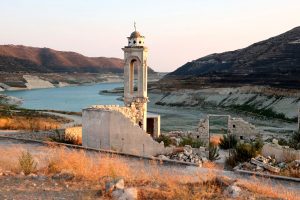
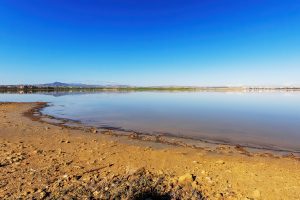
Freshwater Wetlands and Seasonal Ponds are temporary ecosystems in inland depressions across Cyprus, supporting amphibians, migratory waterfowl, and rare fish. These habitats form during winter rains, transforming dry basins into vibrant pools that host diverse life before evaporating in summer heat.
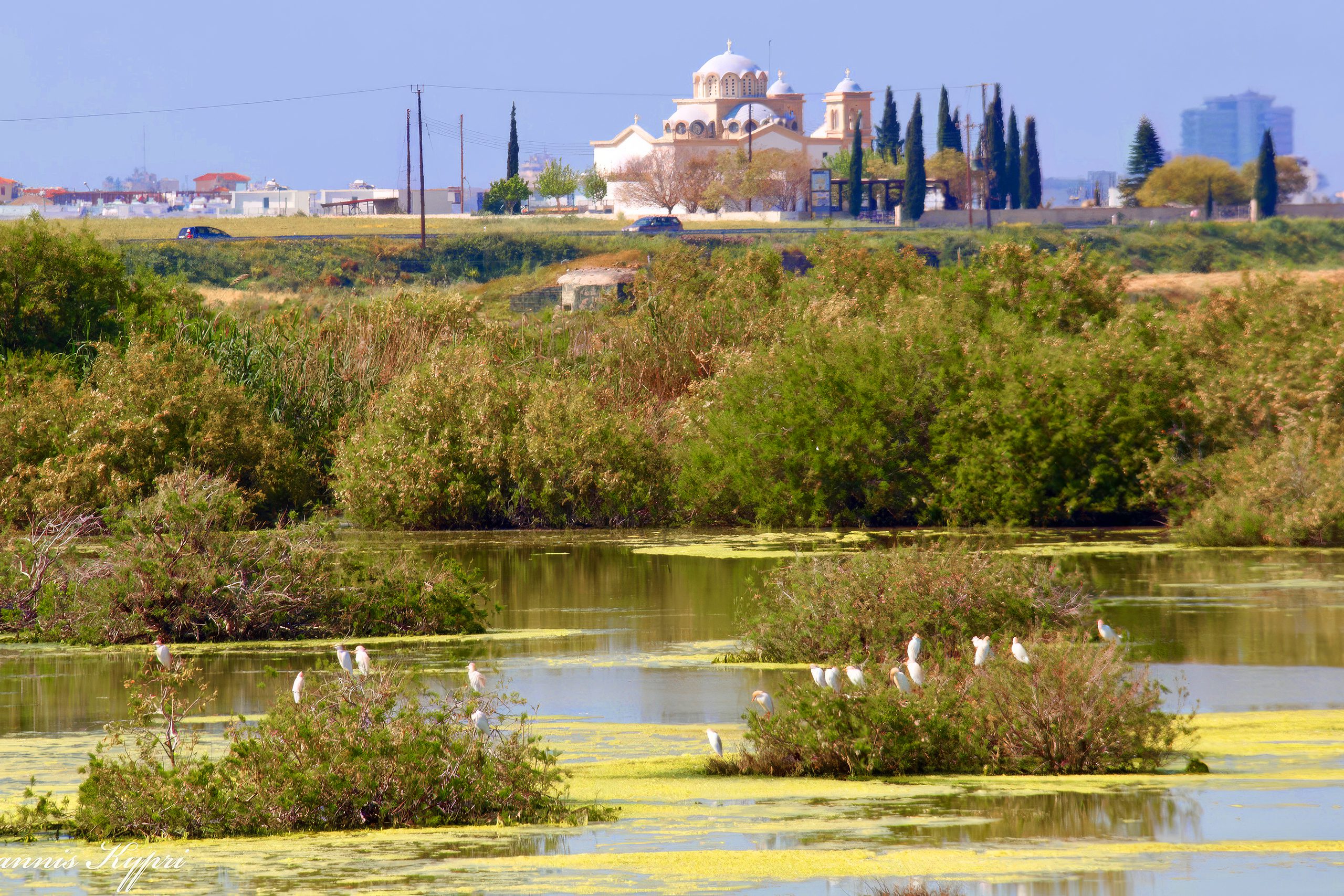
They play a crucial role in the island’s biodiversity, offering breeding grounds and stopovers in an otherwise arid landscape, highlighting nature’s cyclical resilience.
- A Temporary Ecosystem Inland
- Historical Formation and Evolution
- Features of Wetlands and Ponds
- Notable Aspects That Highlight Its Uniqueness
- Deeper Ecological and Cultural Impacts for Cyprus’s Biodiversity
- Freshwater Wetlands and Seasonal Ponds in Cyprus Today
- Opportunities for Exploration
- An Ecosystem of Cyclical Life
A Temporary Ecosystem Inland
Freshwater wetlands and seasonal ponds in Cyprus represent ephemeral water bodies that appear in low-lying inland areas, filling with rainwater and runoff to create shallow, nutrient-rich habitats. These depressions, scattered across the Mesaoria Plains and Troodos foothills, range from small ponds of a few square meters to larger wetlands like the one at Paralimni, covering up to 2 square kilometers in wet seasons.
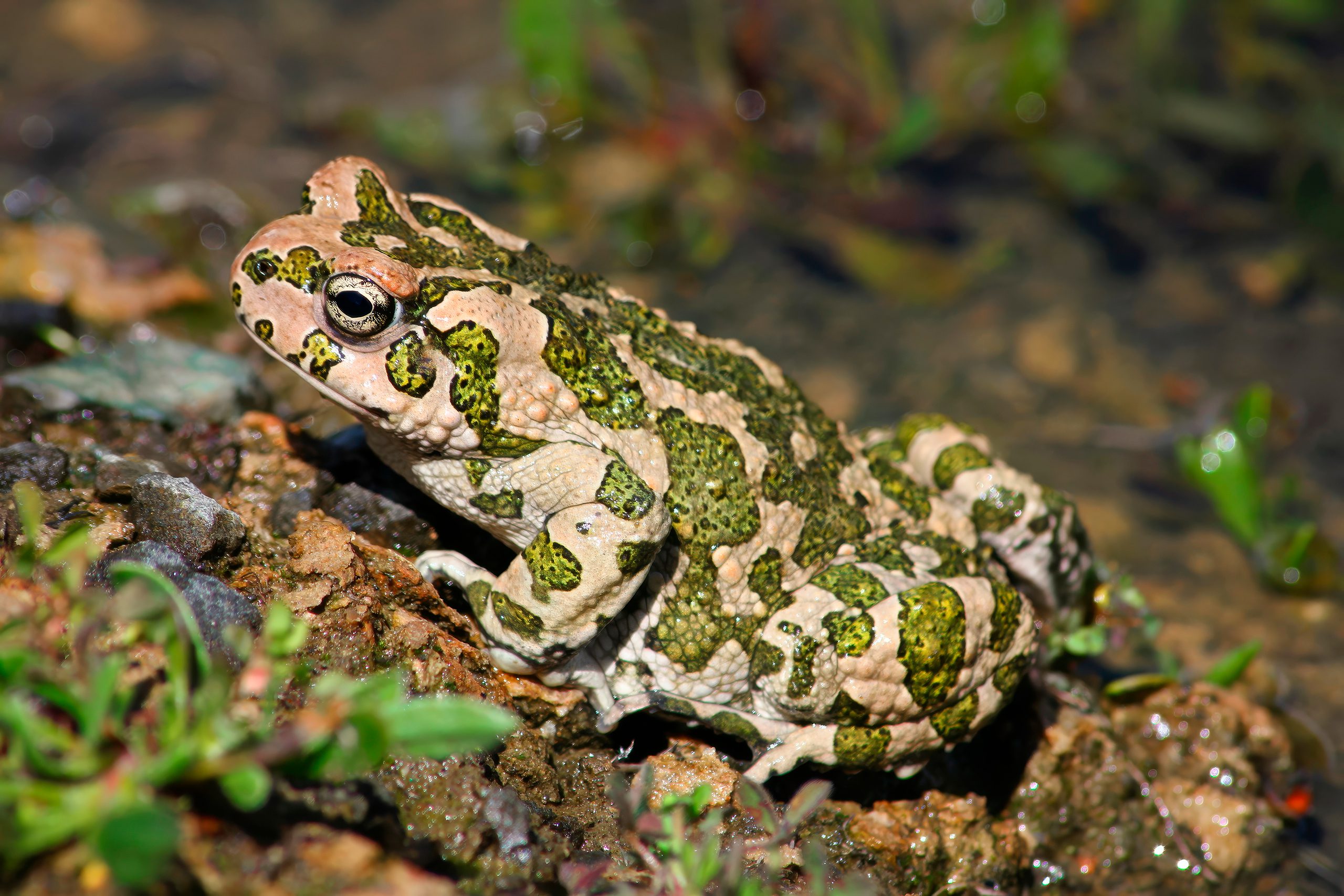
They support amphibians like the green toad, migratory waterfowl such as teals, and rare fish species adapted to fluctuating water levels. This temporary nature – flooding in winter (November-March) and drying in summer (June-September) – fosters a dynamic ecosystem where life cycles sync with rainfall, making them vital for species survival in Cyprus’s semi-arid climate.
Historical Formation and Evolution
These ecosystems formed during the Holocene epoch around 10,000 years ago, as post-glacial climate shifts created depressions from river erosion and tectonic subsidence, per geological studies by the Cyprus Geological Survey. Historical records from ancient times, like Ptolemy’s Geography (2nd century AD), describe inland “lakes” that dried seasonally, used for salt harvesting. Neolithic settlers at Choirokoitia (7000 BC) relied on ponds for water, as bone remains suggest amphibian hunting.
Bronze Age (2500 BC) communities at Kalopsida adapted irrigation from ponds for farming, with pottery showing fish motifs. Byzantine era (4th-15th centuries AD) texts like the 12th-century “Life of Saint Spyridon” note wetlands as “miraculous springs” for miracles. Lusignan rule (1192-1489) drained some for malaria control, but others remained for bird hunting. Venetian (1489-1571) engineers mapped them for defense, while Ottoman (1571-1878) farmers used them for rice, as Ali Bey noted in 1806.
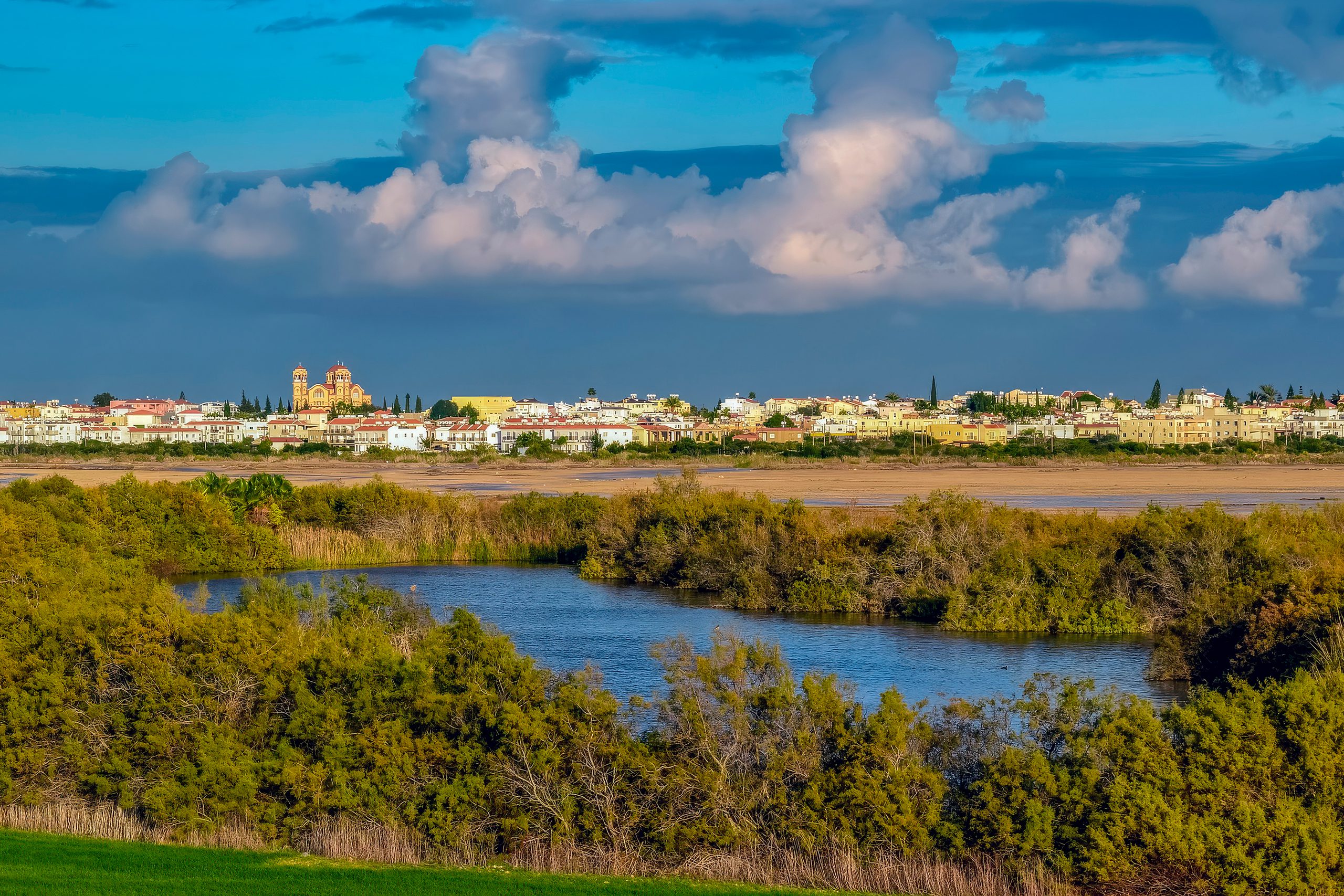
British colonial rule (1878-1960) studied them for health, with 1920s reports promoting drainage but recognizing bird value. Post-1960, conservation began, with Ramsar designation in 2001 protecting sites like Paralimni.
Features of Wetlands and Ponds
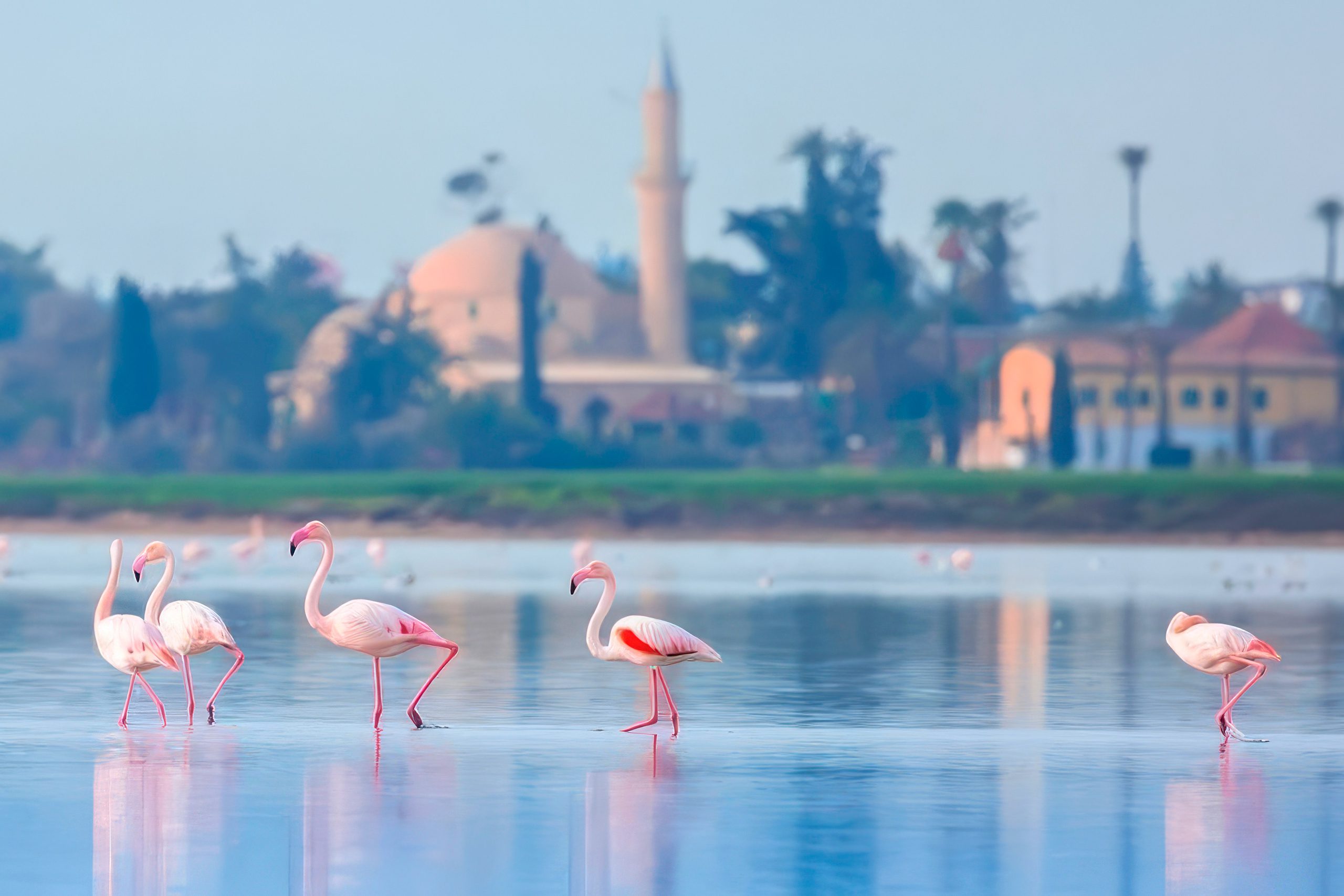
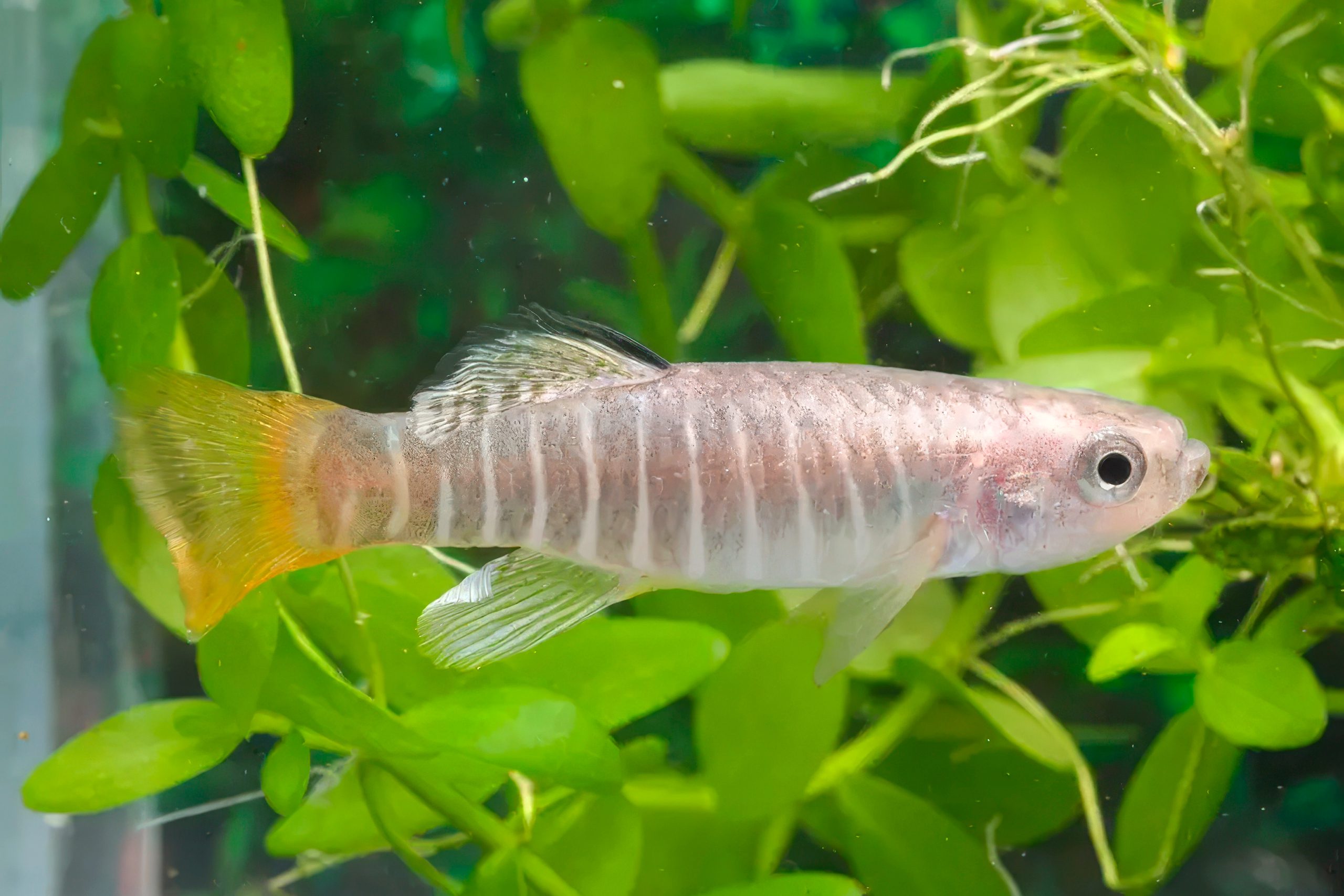
Seasonal ponds fill with 200–300 mm of winter rain, reaching depths of 1–2 meters, with surfaces often covered in duckweed for shade. Wetlands like Akrotiri and Larnaca Salt Lake have brackish or freshwater mixes, supporting reeds that provide nesting sites. Amphibians such as marsh frogs breed in spring, with tadpoles metamorphosing before the ponds dry up. Migratory waterfowl—90 species counted by BirdLife Cyprus—use these wetlands as key stopovers along Africa–Europe routes. Rare fish, including the Cyprus killifish, survive dry periods by burrowing into mud cocoons.
Vegetation includes water lilies in ponds, salt-tolerant samphire in edges. Temperature fluctuations – winters 10°C, summers 35°C – create boom-bust cycles, with blooms of algae feeding food chains.
Notable Aspects That Highlight Its Uniqueness
One captivating feature is the “pink ponds” – algae tint waters red in spring, attracting photographers. Paralimni holds Cyprus’s amphibian record with 5 species breeding. Rare fish like Aphanius fasciatus spawn in shallow waters, studied by the Inland Fisheries Section. And legends claim ponds were nymph tears, tying to myths in ancient texts like Nonnos’s Dionysiaca (5th century AD).
Fauna adaptations include frog estivation in mud, with survival rates 80% per studies. Winters host duck flocks of 5,000, a sight in January.
Deeper Ecological and Cultural Impacts for Cyprus’s Biodiversity
These ecosystems conserve biodiversity, with ponds acting as “stepping stones” for amphibians dispersing, reducing extinction risk by 30% per environmental reports. They support pollinators like dragonflies preying on mosquitoes, aiding health. This fosters food webs: algae feed fish, fish birds, bird droppings enrich soils.
Culturally, ponds influenced myths like water spirits, and festivals like Kataklysmos with games celebrating rains. Socially, they provided fishing in winters – Ottoman records show taxes on catches – and medicine from plants like mint. The climate’s balance has sustained habitats, with 150 bird species wintering, but climate change risks drying, per EU reports predicting 25% loss by 2100.

Human impacts include ancient drainage for farming, with Roman aqueducts at Kourion diverting flows, as studied in geoarchaeology by David Sewell.
Freshwater Wetlands and Seasonal Ponds in Cyprus Today
Freshwater wetlands and seasonal ponds continue to define Cyprus’s interiors, with winter rains supporting tourism – over 100,000 visitors annually for birdwatching at Paralimni. Climate change alters patterns, with summers 2°C hotter since 1960, leading to 15% shorter wet seasons. Biodiversity faces threats, with conservation by BirdLife Cyprus monitoring waterfowl since 1979. с, protected by Natura 2000 since 2004, host eco-tours promoting sustainability.
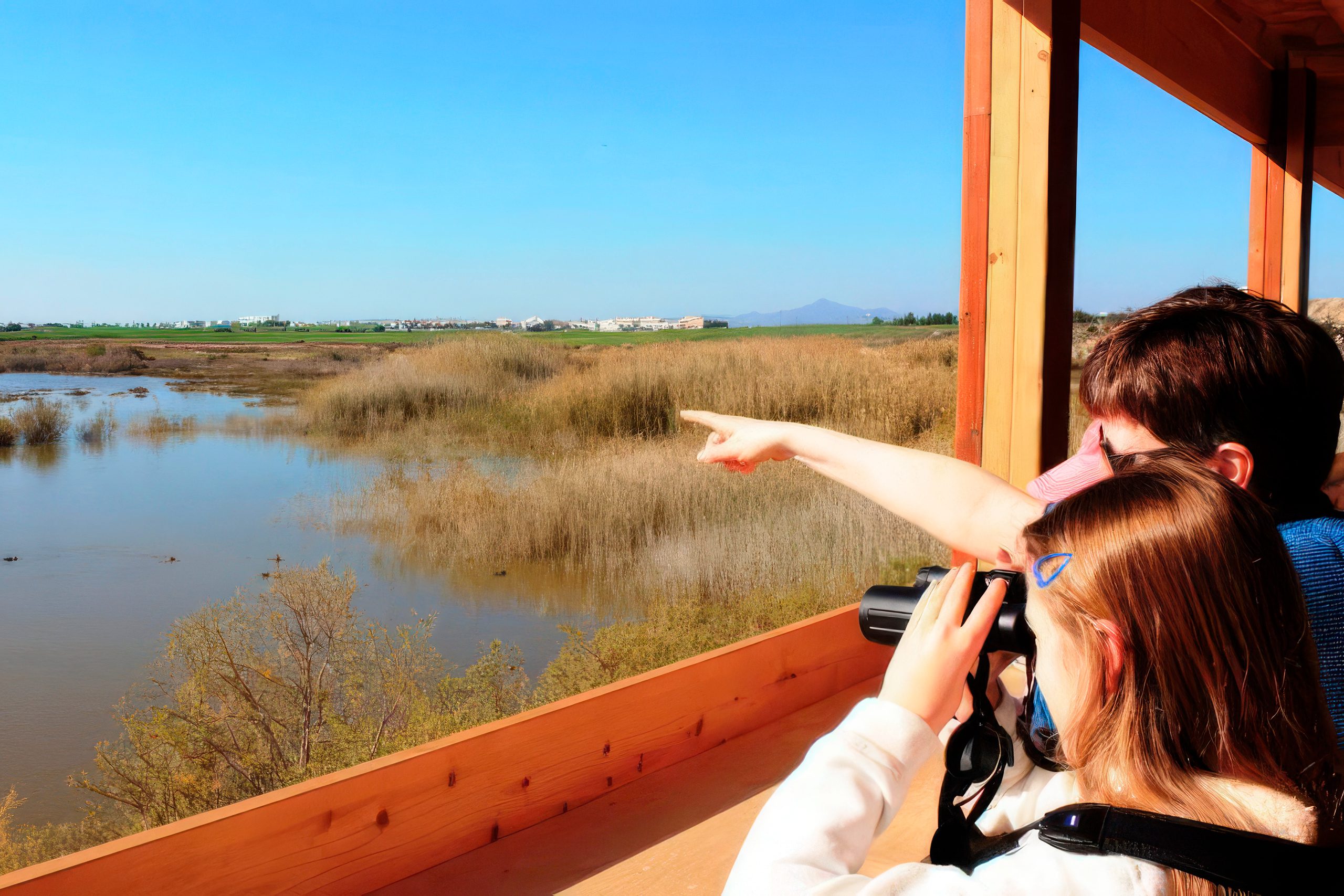
Modern adaptations include artificial ponds for amphibians, increasing populations by 20%. This ecosystem shapes identity, with festivals like “Wetland Day” in Larnaca celebrating birds, blending ancient rites with contemporary eco-education.
Opportunities for Exploration
Paralimni Lake offers boardwalks for frog spotting, open year-round with free entry. Guided bird tours by the Cyprus Tourism Organization cost €15-20 to see waterfowl. Winter visits to Akrotiri include eco-walks in January, no fee. Spring amphibian hikes in April pair with village stays for insights. Many sites have online cams for remote viewing.
An Ecosystem of Cyclical Life
Freshwater Wetlands and Seasonal Ponds, temporary inland depressions, support amphibians, migratory waterfowl, and rare fish, defining Cyprus’s ecological diversity.
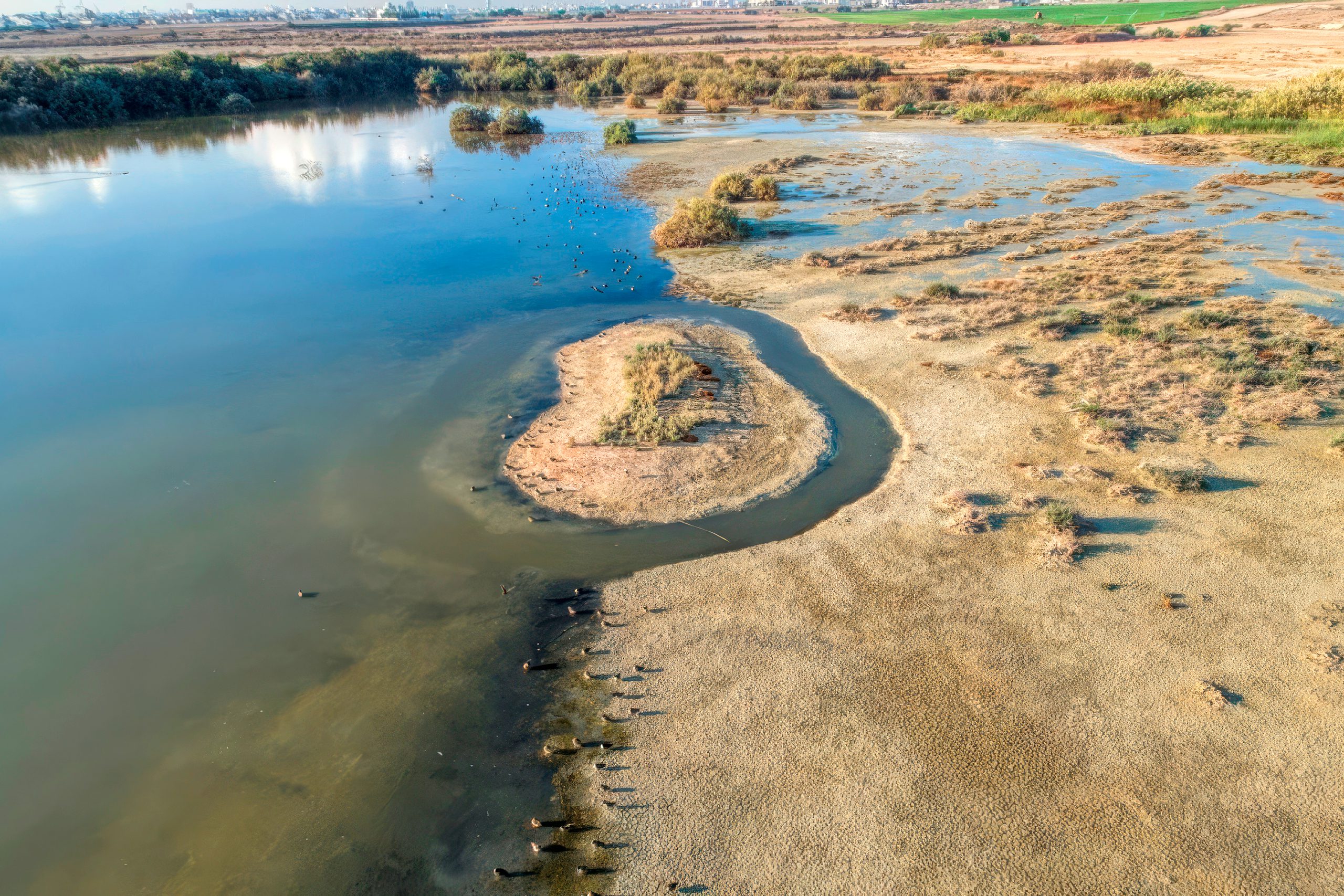
This pattern’s balance has fostered unique habitats and human ingenuity, from ancient myths to modern challenges. Knowing it deepens appreciation for Cyprus as a resilient wetland haven. Engagement with its cycles or species evokes wonder at nature’s temporality. In a changing climate, it reminds of the need to safeguard this delicate balance.