Picture this: as the summer heat fades in Cyprus, delicate white flowers suddenly pop up from the bare ground in the mountains, like little surprises from nature. Colchicum troodi is one of the island’s special plants, blooming in fall and hiding a few secrets that make it both beautiful and a bit mysterious. But why does it flower “naked,” and what ancient stories does it carry?
- What Exactly Is This Quirky Cypriot Bloom?
- How Did This Flower Emerge from Cyprus's Ancient Past?
- Picture This: Delicate Petals Rising from the Ground Like Magic
- Bet You Didn't Know These Surprising Plant Tricks!
- Unlocking More Secrets: From Toxins to Survival Strategies
- Why This Ancient Bloom Still Shines in Today's Cyprus
- Ready for an Autumn Adventure? Here's How to Spot It!
- Why Colchicum Troodi Captures the Wild Heart of Cyprus
What Exactly Is This Quirky Cypriot Bloom?
Colchicum troodi or “Troodos’s Naked lady” is a small, wild flowering plant that’s unique to Cyprus — meaning it grows nowhere else in the world. It’s a type of perennial that sprouts from an underground bulb-like structure called a corm, and it belongs to the Colchicaceae family, which includes other autumn-blooming flowers. Think of it as Cyprus’s own version of an autumn crocus, adding a touch of color to the landscape when most plants are winding down.
How Did This Flower Emerge from Cyprus’s Ancient Past?
The story of Colchicum troodi goes back to 1865, when Austrian botanist Theodor Kotschy discovered it during his travels across Cyprus and named it after the Troodos Mountains where he found it. The genus name “Colchicum” comes from Colchis, an ancient region on the Black Sea coast in what’s now Georgia, tied to Greek myths about the sorceress Medea who used similar plants in her magical brews. Over millions of years, Cyprus’s isolated geology — shaped by volcanic activity and tectonic shifts — helped this plant evolve into a true island native, adapting to the Mediterranean’s dry summers and wet winters.
Picture This: Delicate Petals Rising from the Ground Like Magic
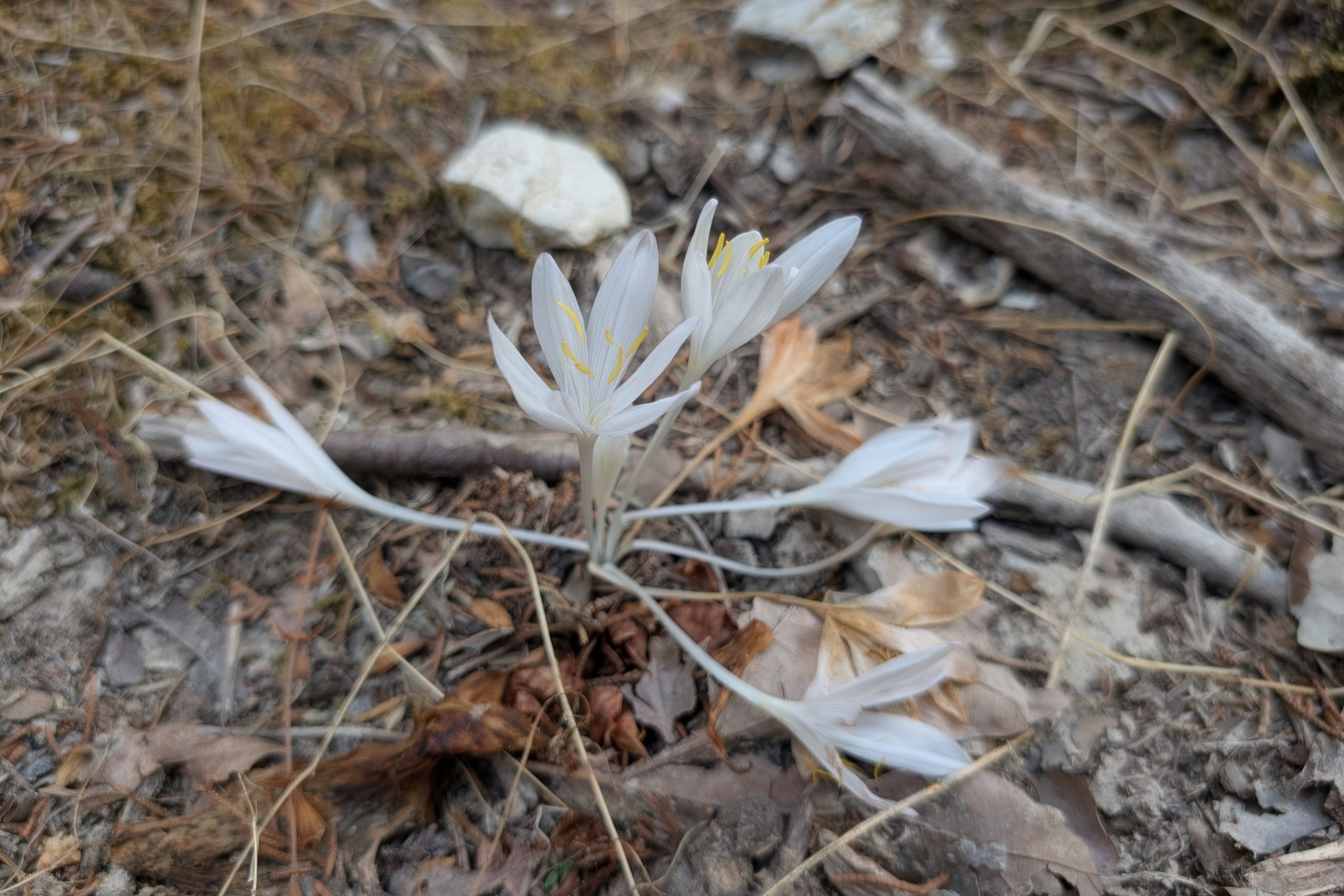
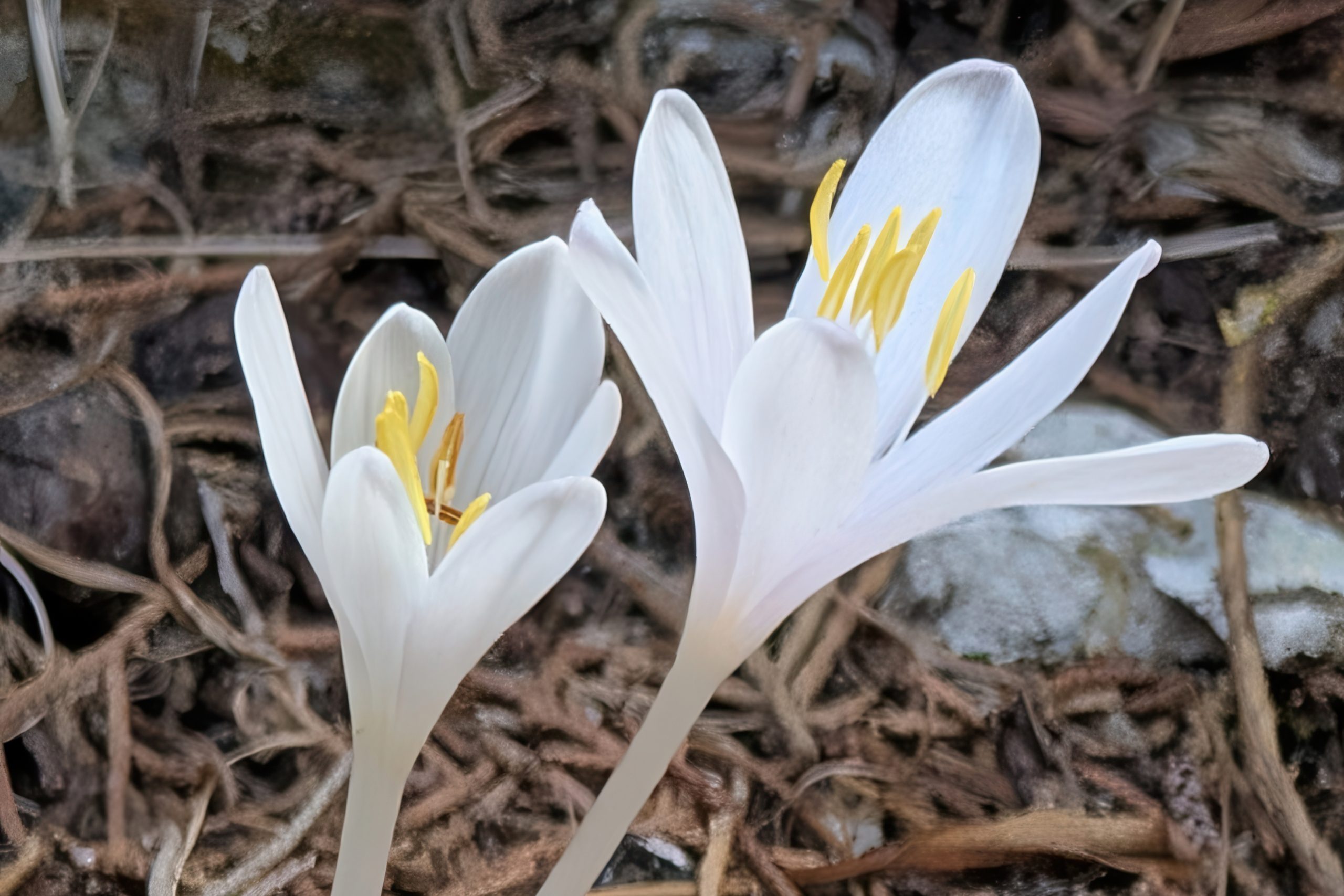
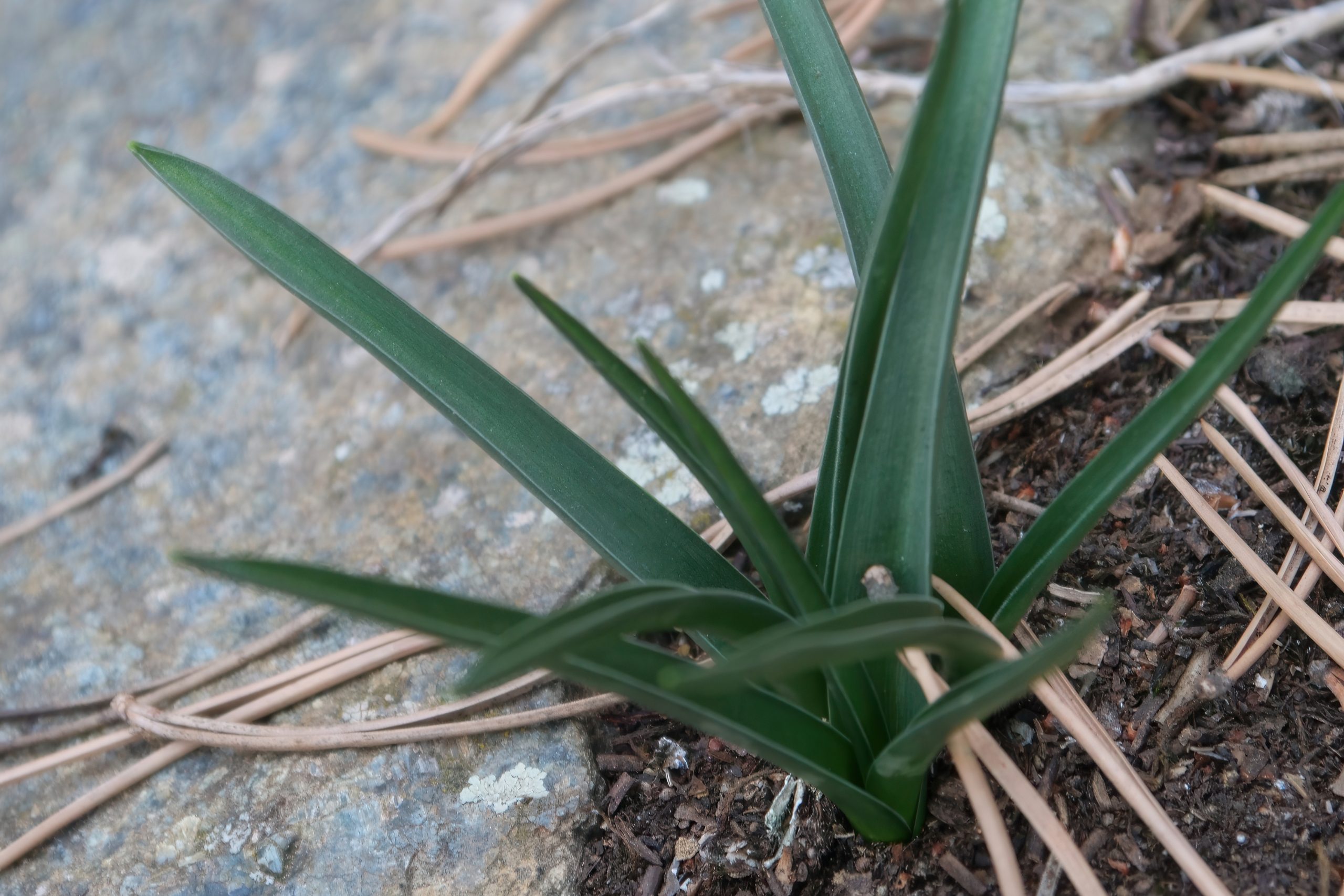
This plant sends up a bunch of cup-shaped flowers on short stems that are usually white or pale pink, measuring around 2.5-4.5 cm long. The blooms have six petals and bright yellow stamens in the center, appearing completely without leaves—which only show up later as long, strap-like greens up to 20 cm. Its underground corm is egg-shaped and covered in protective layers, helping it survive in rocky spots. It’s easy to mix up with true crocuses, but colchicums have three styles and six stamens, while crocuses have one style with three stigmas and three stamens
Bet You Didn’t Know These Surprising Plant Tricks!
Did you know Colchicum troodi is nicknamed the “naked lady” because its flowers emerge leafless, like they’re in a hurry to greet autumn? All parts of the plant contain colchicine, a toxin that keeps animals away but was used by ancient healers for treating aches like gout—in tiny doses, of course! It’s one of just three Colchicum species in Cyprus, the whitest of them all and the only one that’s completely homegrown here. Plus, its seeds take their sweet time, ripening in spring capsules long after the flowers have faded.
Unlocking More Secrets: From Toxins to Survival Strategies
Going a bit deeper, the plant’s colchicine isn’t just a defense—it’s a powerful substance that disrupts cell division, which is why it’s poisonous but also useful in modern medicine for conditions like inflammation. Botanically, it thrives on stony slopes or in open pine forests on igneous or limestone soils, from sea level up to 1,950 meters on Mount Olympus. Insects pollinate the flowers, and the plant’s “reverse” blooming cycle—flowers in fall, leaves in winter—helps it make the most of Cyprus’s seasonal rains.
Why This Ancient Bloom Still Shines in Today’s Cyprus
In modern times, Colchicum troodi is a symbol of Cyprus’s rich biodiversity, with the government running awareness campaigns each fall to highlight its beauty and warn about its toxicity. It’s protected in national parks as part of efforts to conserve endemic species amid climate change, and it inspires eco-tourism, connecting people to the island’s natural heritage. Researchers even study its chemicals for new medical insights, blending old myths with cutting-edge science.
Ready for an Autumn Adventure? Here’s How to Spot It!
You can see Colchicum troodi in the wild by hiking in Troodos National Forest Park, especially around Mount Olympus, Platres, or stony paths near Drymou from September to November. The experience is peaceful: crisp air filled with pine scents, and the thrill of spotting these leafless blooms on the ground like hidden gems. It’s a gentle hike that feels magical, but remember to admire from a distance—never pick them, as they’re protected and toxic.
Why Colchicum Troodi Captures the Wild Heart of Cyprus
Colchicum troodi is more than a pretty flower—it’s a living link to Cyprus’s mythical past, geological wonders, and resilient wildlife. By knowing about it, we appreciate how this small island packs such unique treasures, encouraging us to protect its natural magic for future generations.