Explore Cyprus with Our Interactive Map

Explore our top stories and discover ideas worth your time.

How Infrastructure Overcomes Cyprus’s Rugged Terrain

How Infrastructure Overcomes Cyprus’s Rugged Terrain

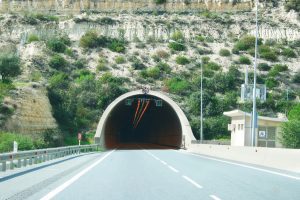
The Troodos Mountains cover roughly one-third of Cyprus, stretching across most of the western portion. Mount Olympus rises to 1,952 meters, making it the island's highest peak. These mountains formed through the collision of African and European tectonic plates, pushing ancient seabed rock formations skyward over millions of years. Climbfinder The landscape varies dramatically within short distances. Coastal areas sit at sea level while mountain villages perch at elevations exceeding 1,000 meters. Steep valleys cut through the terrain, with rivers carving gorges that modern roads must somehow cross. Wanderlog In 2011, heavy rainfall triggered 128 separate landslide incidents in Paphos, causing significant damage to roads and buildings. These geological realities force engineers to constantly assess slope stability when planning new infrastructure. The island's geology includes unstable clay-rich soils and fractured rock formations that shift during rainfall, creating ongoing maintenance demands. Building Motorways Through Mountains Cyprus developed its motorway network relatively recently compared to European neighbors. The A1, completed in October 1985, became the island's first motorway. Despite this late start, Cyprus now leads all European Union members with 36.8 kilometers of motorway per 100,000 inhabitants. The network totals approximately 7,206 kilometers of paved roads and 4,387 kilometers of unpaved routes. No toll roads exist anywhere on the island. The Public Works Department manages motorways and major roads, while municipalities handle…

Read more

Major Infrastructure Projects in Cyprus

Major Infrastructure Projects in Cyprus

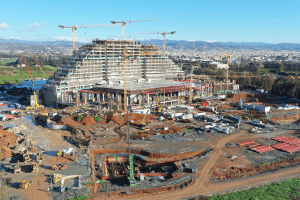
Cyprus has committed over 1.3 billion euros to infrastructure development in 2025, representing one of the most ambitious public investment programs in the island's recent history. President Nicos Christodoulides announced this figure in January 2025, emphasizing the government's determination to modernize public works legislation and introduce electronic systems to increase transparency and efficiency. shutterstock-com The infrastructure push covers multiple sectors, from road networks and smart city technologies to hospital construction and educational facilities. These projects aim to transform Cyprus into a more connected, sustainable, and economically competitive nation. However, several flagship projects have faced significant setbacks, including the troubled 1.2 billion euro Larnaca port and marina redevelopment, which saw its original concession terminated in 2024 after years of delays and financing problems. The Road Network Modernization Program The Ministry of Transport, Communications, and Works has prioritized road infrastructure development, allocating 439.3 million euros through September 2026 for a comprehensive highway and road network upgrade. The program includes ten major projects designed to reduce travel times, improve safety, and decrease urban congestion. These infrastructure interventions represent the most significant road construction effort in Cyprus in over a decade. shutterstock-com The Nicosia Perimeter Motorway represents the centerpiece of this program. Phase A1, which connects the Lakatamia Industrial Area to the Dali Industrial Area, includes 7.5 kilometers of four-lane highway plus approximately 10…

Read more
Avakas Gorge Trail Cyprus Canyon Hike

Avakas Gorge Trail Cyprus Canyon Hike

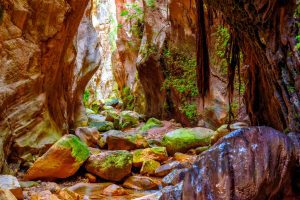
Avakas Gorge sits within Pegeia State Forest at the southwestern edge of the Akamas Peninsula, approximately 20 kilometers west of Paphos. The gorge follows the course of the Avgas River, which gave the canyon its name. chooseyourcyprus.com Constant erosive activity on sloping limestone rocks created this dramatic formation. The rocks consist of loams, chalks, reef limestone, grain limestone, and bentonitic clays that erode at different rates. The gorge area holds protected status as a Natura 2000 site and was designated a Plant Micro-Reserve under the Cyprus Forest Law in 2013. Historical Background Geologists believe Avakas Gorge emerged from the sea when tectonic forces lifted the entire region. The Avgas River began its work of erosion millions of years ago. Water flowing over the limestone gradually carved deeper into the rock, creating steep vertical walls. The gorge became narrower and deeper with each passing century as the river continued its relentless cutting. The ancient Greek word "avakas" means without voice or mute, possibly referring to how the towering walls muffle sound within the canyon. Local shepherds and travelers have used this route for centuries. The gorge provided shelter, fresh water, and a passage through otherwise difficult terrain. People shared stories of mythical creatures inhabiting the shadowy recesses between the cliffs. The geological formations visible in the gorge walls reveal layers deposited…

Read more