Explore Cyprus with Our Interactive Map

Explore our top stories and discover ideas worth your time.

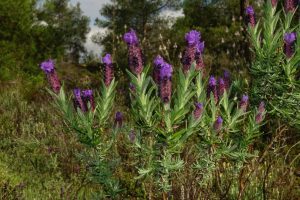
Lavender in Cyprus

Lavender in Cyprus

Imagine strolling through the sun-drenched hills of Cyprus, where a sea of vibrant purple blooms dances in the breeze, releasing a soothing aroma that calms the soul. This is the world of lavender, a plant that has woven itself into the island's fabric for centuries. Join me as we uncover its gentle secrets, from ancient remedies to modern-day delights, and discover why this humble herb continues to enchant. www.inaturalist.org A Fragrant Introduction to Lavender Lavender, known scientifically as Lavandula stoechas – a member of the Lamiaceae family, which includes other aromatic favorites like mint and rosemary – is a perennial shrub that thrives in the Mediterranean's rocky, sun-baked soils. It's not just a pretty face; this plant is a survivor, adapted to dry climates where it stores essential oils to deter pests and retain moisture. In broader terms, lavender belongs to the mint family, a group renowned for their square stems and fragrant leaves, helping us see it as part of a vast botanical network of healers and flavor enhancers across the globe. Roots in Time: Lavender's Ancient Cypriot Tale Lavender's story in Cyprus stretches back to antiquity, intertwined with the island's rich human history. Archaeological digs in sites like ancient Salamis reveal traces of similar aromatic herbs used in rituals and daily life by the Mycenaeans around 1200 BC.…

Read more

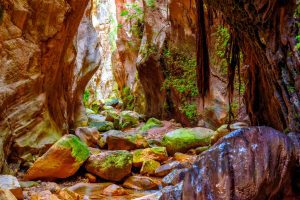
Avakas Gorge Trail Cyprus Canyon Hike

Avakas Gorge Trail Cyprus Canyon Hike

Avakas Gorge sits within Pegeia State Forest at the southwestern edge of the Akamas Peninsula, approximately 20 kilometers west of Paphos. The gorge follows the course of the Avgas River, which gave the canyon its name. chooseyourcyprus.com Constant erosive activity on sloping limestone rocks created this dramatic formation. The rocks consist of loams, chalks, reef limestone, grain limestone, and bentonitic clays that erode at different rates. The gorge area holds protected status as a Natura 2000 site and was designated a Plant Micro-Reserve under the Cyprus Forest Law in 2013. Historical Background Geologists believe Avakas Gorge emerged from the sea when tectonic forces lifted the entire region. The Avgas River began its work of erosion millions of years ago. Water flowing over the limestone gradually carved deeper into the rock, creating steep vertical walls. The gorge became narrower and deeper with each passing century as the river continued its relentless cutting. The ancient Greek word "avakas" means without voice or mute, possibly referring to how the towering walls muffle sound within the canyon. Local shepherds and travelers have used this route for centuries. The gorge provided shelter, fresh water, and a passage through otherwise difficult terrain. People shared stories of mythical creatures inhabiting the shadowy recesses between the cliffs. The geological formations visible in the gorge walls reveal layers deposited…

Read more
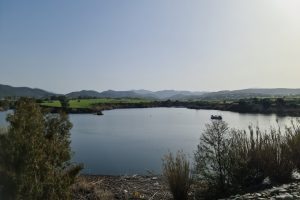
Mesaoria Basin Cyprus

Mesaoria Basin Cyprus

Stand on a small hill just outside Nicosia and look around. To the south the Troodos Mountains rise dark and rugged on the horizon, their volcanic slopes fading into forests. To the north the Kyrenia range appears as a long pale wall of limestone cliffs or rugged forms stretching as far as the eye can see. Between them lies an immense open landscape. Vasily Papkovskiy This is Mesaoria. In Greek it literally means “between the mountains”. This basin forms a natural wide corridor across the island, a broad open landscape framed by two very different geological worlds. At first glance the region may appear quiet compared with the dramatic mountains that surround it. There are no towering cliffs or deep gorges. Instead, the land spreads outward in broad plains and gentle plateaus where fields stretch toward distant villages. Yet beneath this calm landscape lies one of the most revealing geological chapters of Cyprus.Mesaoria is not simply a plain between mountains. It is the remnant of a vast sea basin that once separated the Troodos massif from the Kyrenia range. For millions of years this basin collected sediments washed from the surrounding highlands while marine life thrived in its waters. Later tectonic movements slowly lifted the seabed, turning the marine basin into dry land. Now imagine travelling ten million years back…

Read more