Explore Cyprus with Our Interactive Map

Explore our top stories and discover ideas worth your time.

Christmas And New Year Traditions

Christmas And New Year Traditions

Christmas and New Year celebrations in Cyprus blend Orthodox Christian devotion with ancient folklore and Mediterranean hospitality. The festivities span from December 25 through January 6, creating a 12-day period known as the Dodekaimera or Twelve Days of Christmas. Unlike Western traditions, Cypriots exchange gifts on New Year's Day rather than Christmas, honoring Saint Basil instead of Santa Claus. The celebrations feature midnight church services, children singing Byzantine-era carols called Kalanda, elaborate family feasts with roasted meats and special sweets, and folk beliefs about mischievous goblins called Kalikantzari. The period concludes with Epiphany water blessing ceremonies that purify homes and drive away evil spirits. These traditions maintain cultural continuity across generations while bringing families together during winter's darkest days. The 40 Day Fast and Christmas Preparations Devout Orthodox Cypriots observe a 40-day fast before Christmas called the Nativity Fast, which begins on November 15. During this period, observant believers abstain from meat, dairy, eggs, and fish with backbones on most days. The fast aims to prepare believers spiritually for Christ's birth through self-discipline and reflection. Modern practice varies, with younger urban Cypriots often following modified versions or focusing fasting efforts on Holy Week before Easter. vkcyprus-com December brings intensive house cleaning, shopping for new clothes and shoes, and early preparation of traditional sweets. Families purchase ingredients for melomakarona, honey-soaked cookies…

Read more

Akamas Peninsula Cliffs and Headlands Cyprus

Akamas Peninsula Cliffs and Headlands Cyprus

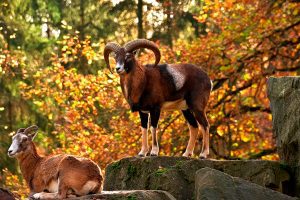
The Akamas Peninsula juts into the Mediterranean Sea at Cyprus's northwestern tip, covering 230 square kilometres of protected wilderness. Akamas represents the last significant untouched coastal area on Cyprus, a roadless peninsula where development remains minimal and natural processes continue largely undisturbed. chooseyourcyprus.com The area extends from the town of Peyia in the south to Polis Chrysochous in the northeast, with the actual headland pointing west into open Mediterranean waters. Unlike most of Cyprus, which shows clear evidence of thousands of years of human modification, Akamas retains a wild character through a combination of difficult terrain, limited water resources, and protective designations. Until 2000, the British Army used Akamas as a training ground and firing range under the 1960 Treaty of Establishment, which allowed up to 70 days of annual military exercises. This restricted access inadvertently preserved natural habitats by preventing agricultural expansion and tourist development. When military use ended, conservation groups successfully argued for maintaining protection through different legal mechanisms. Historical Background Geological processes spanning millions of years created Akamas's distinctive terrain. Limestone formations dominate, deposited when seas covered the region during various periods. Tectonic uplift raised these sediments above sea level, creating the elevated plateau that characterizes the interior. Erosion carved gorges and sea caves where water cut through softer rock layers, exposing cross-sections of geological history. The…

Read more
Ottoman Baths in Cyprus – Historic Hamams

Ottoman Baths in Cyprus – Historic Hamams

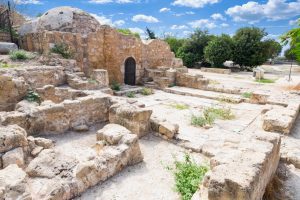
wikimedia.org1 Ottoman baths, known as hamams, represent a distinctive cultural contribution to Cyprus architecture and social life. These public bathhouses served communities across the island for centuries, combining cleansing rituals with social gathering spaces. Several hamams survive today as monuments to Ottoman rule, with two still operating as functional spas. The hamam tradition did not originate with the Ottomans. Its roots stretch back to Roman thermae and Byzantine bathing practices, which the Ottomans inherited and adapted to Islamic requirements for ritual cleanliness. The word hamam comes from the Arabic root meaning heat or heating, reflecting the central role of warmth in the bathing process. Islamic tradition emphasizes cleanliness as a prerequisite for prayer. This religious requirement, combined with social customs, made hamams essential public facilities throughout the Ottoman Empire. Most homes lacked private bathing facilities, so hamams served practical hygiene needs while also becoming important social institutions. Historical Background thisispafos.com The Ottoman Empire captured Cyprus from Venice in 1571 after a prolonged military campaign. This conquest marked the beginning of over three centuries of Ottoman administration that fundamentally reshaped the island's demographic and cultural character. One of the Ottomans' first priorities in newly conquered cities was establishing hamams. These buildings demonstrated Ottoman presence and provided essential services to both the Turkish soldiers and settlers who arrived from Anatolia and the…

Read more