Church of Panagia tou Moutoulla Byzantine Art
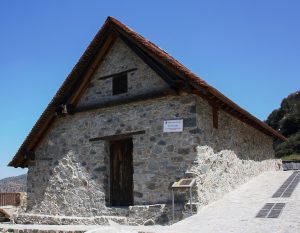
Historical Background and Regional Context The Church of Panagia tou Moutoulla, located in the village of Moutoullas in the Marathasa Valley of the Troodos Mountains, holds a special place among the Painted Churches of Cyprus recognized by UNESCO. Built in 1280, according to an inscription preserved within the building, the church represents the earliest securely dated example of the steep-pitched wooden roof style that became characteristic of mountain churches in Cyprus. Its importance lies not only in its artistic decoration but also in its architectural form, which demonstrates how local communities adapted Byzantine religious architecture to the demanding climatic conditions of the highlands. This combination of artistic heritage and environmental adaptation makes the church a key monument for understanding the development of medieval Cypriot ecclesiastical architecture. kiprguru-com During the late Byzantine period, Cyprus experienced both political transition and continued religious vitality. Rural mountain communities maintained strong ties to Orthodox Christian traditions, even as the island came under Lusignan and later Venetian rule. In such regions, churches often served as the focal point of community life, functioning as places of worship, social gathering, and cultural continuity. Panagia tou Moutoulla emerged within this context, reflecting a society that valued religious devotion while responding practically to local environmental realities. Its survival offers insight into how architecture, climate, and spiritual life were closely connected…
Read more