Explore Cyprus with Our Interactive Map

Explore our top stories and discover ideas worth your time.

Halloumi and Festival Foods of Cyprus

Halloumi and Festival Foods of Cyprus

Cyprus is a culinary treasure trove where traditional flavors meet modern tastes, and nowhere is this more evident than in its cheese and festival foods. Halloumi, the island’s most famous export, embodies the island’s culture, history, and social life. Beyond its grillable texture and unique flavor, halloumi represents centuries of agricultural tradition, village cooperatives, and community heritage. In-Cyprus Cyprus’s festival foods, from grape harvest sweets to carnival pastries, highlight seasonal cycles, religious celebrations, and communal joy. For locals and visitors alike, tasting halloumi with a slice of watermelon, sampling fresh loukoumades, or savoring grape must treats is a journey into the island’s heart. These foods are not just meals, they are symbols of hospitality, identity, and Cypriot tradition. Halloumi - Cyprus’s Culinary Icon Halloumi is a semi-hard, white cheese with a high melting point, allowing it to be fried or grilled without losing shape. In 2021, it received Protected Designation of Origin (PDO) status, meaning only cheese produced in Cyprus according to traditional methods can bear the name “halloumi.” Traditionally made from goat and sheep milk, PDO regulations require at least 25% of these milks during peak seasons, increasing annually to reach 50% by 2029. Modern production sometimes incorporates cow’s milk, especially for export, but true Cypriot halloumi remains rooted in traditional dairy practices. Wikipedia-Com Interestingly, Cypriots enjoy halloumi in…

Read more

Cinematic Sea Cliffs and Stone Fortresses

Cinematic Sea Cliffs and Stone Fortresses

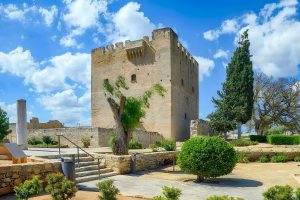
These fortifications originally served as watchtowers and defensive positions against Arab raids from the 7th to 10th centuries, with guards using fire signals to communicate between castles and warn coastal cities of approaching enemies. The strategic positioning allowed 360-degree views across both northern and southern coasts, with Kantara's summit offering visibility extending to Turkey, Lebanon's mountains 160 kilometers away, and across the Karpasia Peninsula. oloi-cy Saint Hilarion's Fairytale Architecture Saint Hilarion Castle occupies an impregnable position on a rocky outcrop at 732 meters, creating a structure believed to have inspired Walt Disney's design for Snow White and the Seven Dwarfs castle. The fortress divides into three distinct levels embedded into mountain rock, each featuring hidden rooms, secret tunnels, and gardens offering panoramic views of the Mediterranean and surrounding countryside. Byzantine builders originally constructed the castle in the 10th or 11th century, though some sources suggest earlier origins. pinterest-com The Lusignan dynasty from 1192 to 1489 expanded the fortifications extensively, adding chambers for knights, royal families, and administrative functions. The castle served simultaneously as military outpost and royal summer residence, with the upper level containing royal apartments that provided escape from coastal heat. The Venetians who ruled from 1489 to 1571 added heavy defensive walls and strong towers, though they later abandoned mountain castles in favor of coastal fortifications at Kyrenia,…

Read more
Vouni Necropolis, Cyprus – History & Facts

Vouni Necropolis, Cyprus – History & Facts

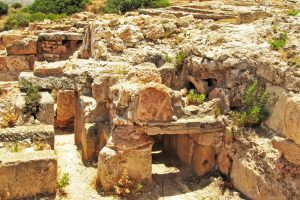
On gentle slopes near the medieval abbey of Bellapais in the Turkish-occupied part of Cyprus sits an extensive Bronze Age cemetery known to the world almost exclusively through its dead. The Vounous necropolis contains 164 rock-cut chamber tombs that served an unknown settlement for nearly five centuries, from approximately 2500 to 2000 BCE, preserving one of the finest collections of prehistoric pottery ever discovered on the island. wikipedia-org Vounous presents archaeologists with an unusual challenge. Despite extensive searches that began in the 1930s and continue sporadically today, the settlement that used this cemetery has never been located. The site sits somewhere between the villages of Ozanköy and Çatalköy in the Kyrenia region, but the homes, workshops, and temples of the people buried here remain hidden beneath modern development or agricultural land. Historical Background The tombs at Vounous date to the Early and Middle Bronze Age, a period when Cyprus underwent major transformation. Around 2500 BCE, settlers from Anatolia arrived on the island, bringing new pottery styles, copper-working technology, plow agriculture, and the warp-weighted loom. These immigrants, identified as the Philia Culture, moved quickly to the foothills of the Troodos Mountains to exploit the rich copper deposits. shutterstock-com The people who used Vounous cemetery were part of this cultural shift. Their pottery shows clear Anatolian influence, particularly the distinctive Red Polished…

Read more