Explore Cyprus with Our Interactive Map

Explore our top stories and discover ideas worth your time.

Kyrenia Mountains Cyprus Nature Reserve

Kyrenia Mountains Cyprus Nature Reserve

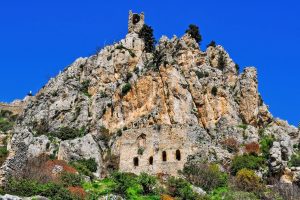
The Kyrenia Mountains form a dramatic limestone barrier along the northern coast of Cyprus. This narrow mountain range stretches for 160 kilometers from Cape Andreas in the east to Cape Kormakiti in the west. shutterstock-com The Kyrenia range, also known as Pentadaktylos Mountains, rises abruptly from sea level to reach its highest point at Mount Selvili, which stands at 1,024 meters. The mountains run parallel to the coast, separated from the sea by a narrow coastal plain. To the south, the range overlooks the wide Mesaoria Plain, which extends toward the Troodos Mountains in central Cyprus. The name Pentadaktylos means "five fingers" in Greek and refers to a distinctive peak in the western section that resembles a hand with five fingers reaching toward the sky. This sharp ridge has become one of the most recognizable natural landmarks on the island. Historical Background The Kyrenia Mountains consist of the oldest rocks in Cyprus, formed from sedimentary deposits that accumulated from the Permian period through the Middle Miocene. These sedimentary formations were pushed upward when the African and Eurasian tectonic plates collided millions of years ago. The range represents the very edge of the Eurasian plate. northcyprusinform-com The mountains are primarily made of hard crystalline limestone, with areas of dolomite and marble. This limestone composition creates a rugged landscape with steep escarpments…

Read more
Whispers from the Sunlit Slopes

Whispers from the Sunlit Slopes

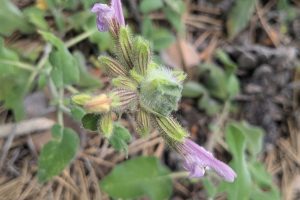
Imagine strolling across a rocky hillside in Cyprus under a clear blue sky, where a shrubby plant releases a warm, woody aroma that hints at ancient potions and savory island dishes. This is sage, a resilient herb that dots the wild landscapes of Cyprus, offering simple wisdom from nature’s own apothecary to those who pause to notice. www.inaturalist.org A Fragrant Shrub in the Mint Family Sage belongs to the genus Salvia in the vast mint family (Lamiaceae), a group of plants known for their square stems and aromatic leaves rich in essential oils. In Cyprus, several wild species grace the landscape, thriving in dry, rocky slopes and maquis vegetation from sea level to the high Troodos peaks. Echoes of Ancient Healers The name Salvia comes from the Latin “salvare” – to save or heal – reflecting its long history as a medicinal plant. In Cyprus, sage has been gathered since prehistoric times. Ancient Greek physicians like Dioscorides praised its wound-healing powers, while it was used in rituals for protection and purification. Over centuries, it became deeply rooted in island folklore as a symbol of longevity and wisdom. www.inaturalist.org Woolly Leaves and Starry Blooms Wild sage in Cyprus typically grows as a low to medium shrub with fuzzy, silvery-green leaves that feel velvety to the touch. When crushed, they release a…

Read more
Salt Flats Coastal Wetlands Cyprus

Salt Flats Coastal Wetlands Cyprus

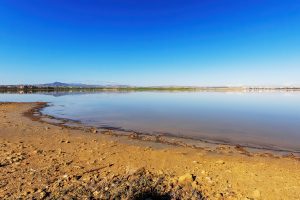
Salt Flats and Coastal Wetlands (Larnaca, Limassol, Akrotiri) are crucial ecosystems in Cyprus, serving as vital stopovers for migratory birds, habitats for flamingos, and homes to brine-adapted flora, holding international significance for biodiversity. These areas, including Larnaca Salt Lake, Limassol's Akrotiri Wetlands, and related sites, form interconnected zones where saltwater and freshwater mix, creating unique conditions that support thousands of species. They highlight the island's role as a Mediterranean biodiversity hotspot, where natural processes and human history intersect to foster life in challenging environments. birdlifecyprus-org A Vital Ecosystem in the Mediterranean Salt flats and coastal wetlands in Cyprus represent dynamic landscapes where land meets sea, characterized by shallow saline lakes, marshes, and mudflats that fluctuate with seasons. Larnaca Salt Lake, the largest inland wetland at 2.2 square kilometers, dries to a white crust in summer but fills with winter rains, hosting algae that tint waters pink. Limassol's Akrotiri Peninsula, covering 150 square kilometers, includes brackish lagoons and reed beds, while smaller sites like Oroklini add diversity. These zones support migratory birds numbering over 10,000 annually, flamingos that winter in flocks of 20,000, and brine-adapted plants like halophytes that thrive in salty soils. Their international significance stems from Ramsar Convention protection since 1997, recognizing them as wetlands of global importance for conservation and sustainable use. cyprusisland-net Formation Through Geology and Climate…

Read more