Explore Cyprus with Our Interactive Map

Explore our top stories and discover ideas worth your time.

Blossoms Amid the Baked Earth

Blossoms Amid the Baked Earth

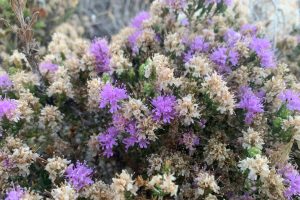
Picture yourself hiking a dusty trail in Cyprus's sun-parched hills during the height of summer, where most vegetation has surrendered to the relentless heat. Yet amid the faded grasses, a resilient herb unfurls its tiny purple flowers, releasing a warm, peppery fragrance that speaks of timeless remedies and savory island feasts. This is thyme, a modest wild treasure that defies the drought, inviting us to explore its quiet role in Cypriot nature and culture. www.inaturalist.org A Quiet Herb with Fragrant Cousins Thyme is a small, tough plant from the mint family, a big group of herbs known for their square stems and strong smells. It's the kind of everyday green that pops up in dry, sunny spots, offering a bit of flavor and freshness to anyone who finds it growing wild. Whispers from Long Ago Thyme's documented presence on Cyprus reaches back to the island's earliest people around 10,000 years ago, who picked it from the hills for simple meals and soothing teas. Across the sea, Egyptians used it in their rituals for the dead, Greeks burned it for bravery before battles, and Romans sprinkled it to freshen their homes – a little herb that traveled with wanderers, becoming a quiet friend in Mediterranean life as empires rose and fell. In Cyprus, ancient healers like those mentioned in old texts…

Read more
Blooms from the Ironclad Hills

Blooms from the Ironclad Hills

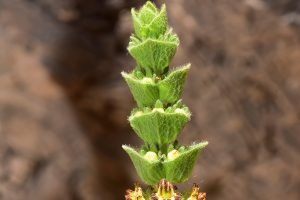
Picture a rugged cliffside in northern Cyprus, where a sturdy herb clings to limestone cracks, its yellow flowers nodding in the breeze like tiny suns defying the harsh terrain. This is mountain tea, or Sideritis, a group of wild herbs cherished across the Mediterranean, but in Cyprus, home to a rare endemic species that tells a story of resilience and ancient healing. www.inaturalist.org A Humble Herb with Aromatic Kin Mountain tea belongs to the vast mint family, a diverse clan of over 7,000 species that includes everyday favorites like basil, rosemary, and oregano – all sharing square stems and leaves brimming with fragrant oils. In simple terms, it's a wild shrub that thrives in sunny, dry spots, much like its relatives that spice up gardens and wild meadows worldwide. Roots in Healing Traditions The name Sideritis echoes ancient Greek for "iron," perhaps from its use in treating wounds from iron weapons or its tough, iron-like endurance. In Cyprus, its history ties back to early island dwellers who gathered wild herbs for teas and salves, much like across the Mediterranean where healers like Dioscorides praised it in texts from 2,000 years ago. Over centuries, it became a folk staple, brewed by shepherds for strength and shared in villages as a soothing sip amid the island's shifting empires and climates. Woolly Stems…

Read more

Daily Life in Cyprus

Daily Life in Cyprus

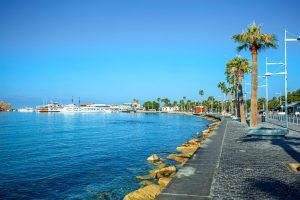
Cyprus life revolves around the Mediterranean Sea and the simple pleasure of walking. The island's 650 kilometers of coastline and 326 days of annual sunshine create perfect conditions for daily seaside visits that locals consider essential rather than optional. In-Cyprus-com Walking serves multiple purposes in Cypriot culture, from exercise and social connection to mental relaxation and community participation. The coastal promenades and beaches function as outdoor living rooms where families gather, friends meet, and strangers become acquaintances through repeated casual encounters. The History of Coastal Walking Traditions The tradition of evening coastal walks, known as the volta, traces back to ancient Greek and Roman practices of gathering in public spaces. During Byzantine times, promenades along harbor areas served as meeting points for merchants, fishermen, and community members. The Ottoman period introduced coffee culture that complemented these walking traditions, creating social patterns that persist today. British colonial rule added formal promenade design to coastal cities, particularly in Limassol and Larnaca where waterfront development emphasized public access. In-Cyprus-com The modern promenade culture emerged after Cyprus's independence in 1960, when cities began investing in coastal infrastructure. The Paphos promenade development connected the medieval harbor with archaeological sites, while Limassol created the Molos, a palm-lined waterfront park that opened in 2014. These projects reclaimed seafronts for public use after decades of commercial and industrial…

Read more