Explore Cyprus with Our Interactive Map

Explore our top stories and discover ideas worth your time.

Seasonal Folk Rituals in Cyprus

Seasonal Folk Rituals in Cyprus

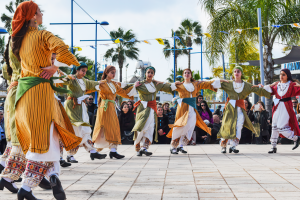
Seasonal folk rituals in Cyprus are vibrant traditions that blend ancient agrarian customs with Christian influences, marking the island's cycles of renewal, harvest, and protection. From spring bonfires warding off evil to autumn feasts celebrating abundance, these practices foster community bonds and a deep connection to the land. They offer a glimpse into how Cypriots have long navigated life's uncertainties through shared acts of faith and joy, keeping cultural roots alive in a modern world. Dom-com Echoes of an Agrarian Past Think of Cyprus as a place where the calendar isn't just dates on a page - it's a rhythm dictated by sun, rain, and soil. For millennia, life here revolved around farming and herding, where a good season meant plenty and a bad one spelled hardship. Seasonal folk rituals sprang from this reality, serving as ways to appeal to unseen forces for protection, fertility, and luck. They're not rigid ceremonies but flexible expressions of hope, passed down through generations in villages where everyone pitched in. Whether lighting a fire or sharing a meal, these acts made the unpredictable feel a bit more manageable, turning nature's turns into communal stories. A History Rooted in Survival and Faith These rituals stretch back to prehistoric times, around 3000 BC, when early Cypriots depended on the island's fertile valleys and copper-rich hills for…

Read more

Saint Neophytos Cyprus Cave Monastery Writing

Saint Neophytos Cyprus Cave Monastery Writing

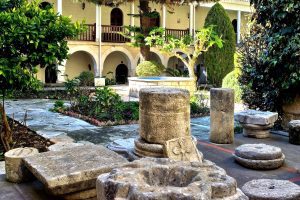
Saint Neophytos spent most of his life alone in a cave. That was his choice, and he fought for it at every turn. Born in 1134 in the small mountain village of Kato Drys near Lefkara, he was the son of farmers, one of eight children. julipapasgardens.com He became a monk at 18, a hermit by 25, and spent over 60 years sealed inside a rock-cut cave above Paphos. Yet for all his devotion to solitude, Neophytos was one of the most outspoken and prolific writers Cyprus has ever produced. He wrote about politics, religion, natural disasters, the suffering of ordinary people, and the foreign rulers who oppressed them. His cave was small, but his voice reached far beyond it. Historical Background Neophytos grew up poor and illiterate. When his parents arranged a marriage for him, he refused and fled to the Monastery of Saint John Chrysostomos in the Turkish-occupied part of Cyprus. There, he learned to read and write for the first time. He was given the role of assistant sacristan, but what he really wanted was to be left alone. His superiors told him he was too young for that kind of life. In 1158, they let him travel to the Holy Land instead. He spent six months visiting monasteries and sacred sites in Jerusalem, but came back…

Read more
Cyprus Scenic Lanes: Fields, Hills & Local Life

Cyprus Scenic Lanes: Fields, Hills & Local Life

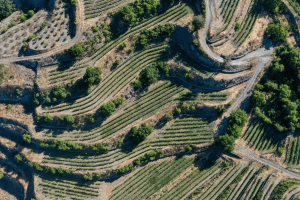
Cyprus scenic lanes wind through agricultural fields, olive groves, and mountain villages far from coastal tourist centers. These narrow roads connect rural settlements and farmland, offering glimpses into traditional Cypriot life that has changed little over generations. pixabay-com The countryside lanes range from paved roads between villages to dirt tracks through vineyards and wheat fields. Unlike major highways, these routes meander through natural landscapes where farmers still tend crops by hand and donkeys carry loads up hillsides. Travelers who venture beyond main roads discover the authentic rhythm of rural Cyprus. Stone houses with wooden balconies, elderly residents sitting in doorways, children playing in village squares, and farmers working terraced fields create scenes that feel timeless. The slower pace allows observation of details easily missed from expressways. Agricultural Routes Through History Cyprus has maintained agricultural roads for thousands of years. Ancient pathways connected farms to market towns, enabling trade in wheat, olives, wine, and copper. Many modern lanes follow routes established during Byzantine times or earlier. pixabay-com The Mesaoria Plain, stretching between the Troodos and Kyrenia mountain ranges, developed an extensive network of agricultural roads. This central plain became the island's breadbasket, producing cereals that fed communities across Cyprus. Farmers needed reliable routes to transport harvests to coastal ports for export. Mountain roads evolved differently. Villages in the Troodos range required…

Read more