Explore Cyprus with Our Interactive Map

Explore our top stories and discover ideas worth your time.

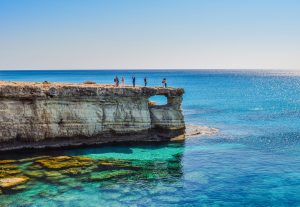
Cavo Greco Sunrise Viewpoint, Cyprus

Cavo Greco Sunrise Viewpoint, Cyprus

The Cavo Greco sunrise viewpoint sits at the southeastern edge of Cyprus, positioned at 95 meters above sea level on a small limestone mountain within Cape Greco National Forest Park. pixy-org This protected area spans 385 hectares between the resort towns of Ayia Napa and Protaras. The viewpoint marks the easternmost point of both the Republic of Cyprus and the European Union, offering unobstructed panoramas of the Mediterranean Sea, Famagusta Bay, and the surrounding coastline. Visitors come here primarily for the spectacular sunrise displays that occur daily, with the sun rising directly from the sea in vibrant colors that illuminate the limestone cliffs and turquoise waters below. Historical Background The limestone cliffs and formations seen today were created through a combination of tectonic activity and the erosive forces of the sea and wind over millions of years. The karst topography has produced numerous caves and natural arches throughout the area. The cape was known as Cape Pedalion in antiquity, and according to Strabo the trapezoidal hill lying above it was sacred to Aphrodite. Archaeological evidence shows the area has been inhabited since Neolithic times, with one of the oldest settlements in Cyprus discovered here in 1992. pixy-org Cape Greco was designated as a National Forest Park in 1993 to preserve its unique ecosystems and prevent further degradation. Between 1910 and…

Read more
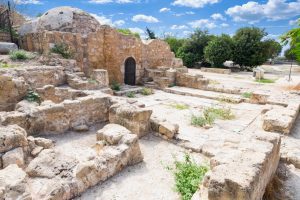
Ottoman Baths in Cyprus – Historic Hamams

Ottoman Baths in Cyprus – Historic Hamams

wikimedia.org1 Ottoman baths, known as hamams, represent a distinctive cultural contribution to Cyprus architecture and social life. These public bathhouses served communities across the island for centuries, combining cleansing rituals with social gathering spaces. Several hamams survive today as monuments to Ottoman rule, with two still operating as functional spas. The hamam tradition did not originate with the Ottomans. Its roots stretch back to Roman thermae and Byzantine bathing practices, which the Ottomans inherited and adapted to Islamic requirements for ritual cleanliness. The word hamam comes from the Arabic root meaning heat or heating, reflecting the central role of warmth in the bathing process. Islamic tradition emphasizes cleanliness as a prerequisite for prayer. This religious requirement, combined with social customs, made hamams essential public facilities throughout the Ottoman Empire. Most homes lacked private bathing facilities, so hamams served practical hygiene needs while also becoming important social institutions. Historical Background thisispafos.com The Ottoman Empire captured Cyprus from Venice in 1571 after a prolonged military campaign. This conquest marked the beginning of over three centuries of Ottoman administration that fundamentally reshaped the island's demographic and cultural character. One of the Ottomans' first priorities in newly conquered cities was establishing hamams. These buildings demonstrated Ottoman presence and provided essential services to both the Turkish soldiers and settlers who arrived from Anatolia and the…

Read more
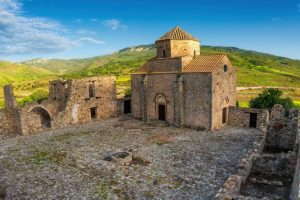
​​Historic Cyprus Churches in Rural Landscapes

​​Historic Cyprus Churches in Rural Landscapes

Historic churches scattered across Cyprus's Troodos Mountains preserve Byzantine and post-Byzantine frescoes within humble rural buildings, creating stark contrasts between simple exteriors and elaborate interior decorations. UNESCO recognized ten of these structures in 1985 and 2001 as the Painted Churches in the Troodos Region, acknowledging their outstanding testimony to Byzantine civilization and well-conserved examples of rural religious architecture. In-Cyprus They range from small churches whose rural architectural style is in stark contrast to their highly refined decoration, to monasteries such as that of St John Lampadistis. The churches date from the early 11th to early 16th centuries, spanning 500 years of artistic evolution influenced by Byzantine, Frankish, Venetian, and local Cypriot traditions. Steep wooden roofs with locally manufactured flat tiles protect the churches from the rain and occasional snow, architectural elements unique to Cyprus determined by its geography, history, and climate. Over 60 churches across Cyprus contain Byzantine wall paintings, but the Troodos concentration represents one of the greatest assemblages in the former Byzantine Empire. Agios Nikolaos tis Stegis and the Double Roof The Church of Saint Nicholas of the Roof in Kakopetria represents the oldest surviving katholikon in Cyprus, built in the 11th century. This church owes its name to its flat-tiled roof, which was built onto a pre-existing domed roof typical of Byzantine architecture. The distinctive double roof…

Read more