Explore Cyprus with Our Interactive Map

Explore our top stories and discover ideas worth your time.

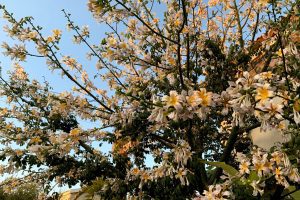
Floss Silk Tree

Floss Silk Tree

Imagine walking through a sunny park in Nicosia or Limassol when a tree catches your eye with its trunk covered in sharp thorns and branches bursting with pink flowers like fluffy cotton candy. Perhaps one of the most bizarre trees you'll encounter is the floss silk tree this South American visitor that's found a home in Cyprus, hiding surprises in its spiky exterior that make you wonder what other secrets it holds. Konstantin-Solovev Getting to Know This Exotic Guest The floss silk tree is a large, deciduous tree known for its striking appearance and fluffy seeds. It's part of the broader world of flowering plants, fitting into the Malvaceae family alongside everyday wonders like cotton and hibiscus, all sharing a love for warm climates and showy blooms. A Journey from Rainforests to Island Parks Native to the lush tropical forests of South America, where ancient peoples used its fibers for ropes and padding, this tree crossed oceans during the age of exploration. In Cyprus, it likely arrived in the early 20th century under British influence, planted as an ornamental to add flair to gardens and streets, much like other far-flung arrivals that helped shape our island's green landscape over the last century. Spikes, Blooms, and Fluffy Surprises What stands out most is its swollen, bottle-shaped trunk armored with large, conical…

Read more
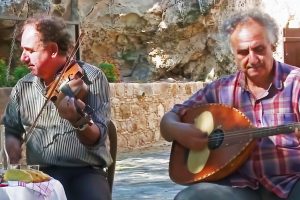
Tsiattista

Tsiattista

Tsiattista is a form of improvised vocal poetry unique to Cyprus, where performers engage in competitive exchanges of sung verses, demonstrating quick wit, strong memory, and mastery of language. This tradition, central to social gatherings and celebrations, involves rhymed couplets improvised on the spot, often touching on love, humor, or daily life. Recognized by UNESCO as intangible cultural heritage in 2011, tsiattista preserves ancient poetic roots while adapting to contemporary expression, leaving a sense of admiration for its lively, spontaneous nature. youtube-com A Timeless Tradition of Wit and Song Tsiattista embodies Cyprus's rich oral heritage, a practice where two or more singers alternate verses in a rhythmic duel, crafting poetry from the moment's inspiration. Rooted in the island's multilingual history, it blends Greek dialect with elements from ancient, Byzantine, and Ottoman influences, creating a musical dialogue that entertains and challenges. Performed at weddings, festivals, or casual gatherings, tsiattista turns ordinary conversations into art, where clever wordplay and cultural references showcase the performer's skill. This form not only preserves linguistic nuances but also fosters community bonds, making it a living expression of Cypriot identity. youtube-com The Historical Roots of Tsiattista Tsiattista's origins trace to ancient Greek poetic traditions, such as the rhapsodic contests described in Homer's epics around the 8th century BC, where bards improvised verses to honor gods or heroes.…

Read more

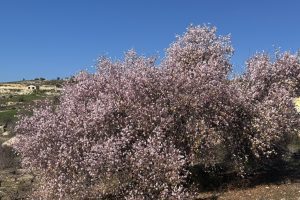
Almond Tree

Almond Tree

Picture a Cypriot hillside in late February, when most trees are still bare. Suddenly, clouds of delicate pink and white flowers appear as if by magic, painting the landscape in soft pastel tones weeks before any leaves unfold. This early burst of beauty belongs to the almond tree, a cherished symbol of spring and one of the island’s most generous gifts. Konstantin-Solovev A Tree Steeped in Mediterranean Sweetness Prunus amygdalus, the almond tree, belongs to the Rosaceae family – the same group as peaches, cherries and roses. In Cyprus it grows as a graceful deciduous tree, usually 4–10 metres tall, with a rounded crown and slender branches. It thrives in the sunny, well-drained soils of the island’s valleys, hillsides and traditional orchards. Roots in the Dawn of Agriculture Almonds are among the very first fruit trees domesticated by humans, with archaeological evidence from the Early Bronze Age in the Levant and remains found in Tutankhamun’s tomb. The wild ancestor likely grew in the hills of western Asia and the eastern Mediterranean. In Cyprus, cultivation dates back thousands of years; the tree appears in ancient texts and has been part of village life for generations. Early naturalists such as Unger and Kotschy noted almond orchards during their 1862 explorations, while modern forest and agricultural records show how the almond has been…

Read more