Explore Cyprus with Our Interactive Map

Explore our top stories and discover ideas worth your time.

Material Symbolism (Stone, Bronze, Gold, Glass)

Material Symbolism (Stone, Bronze, Gold, Glass)

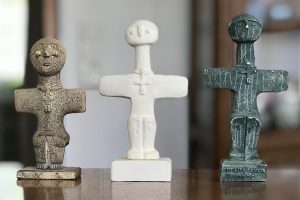
Material Symbolism (Stone, Bronze, Gold, Glass) in ancient Cypriot art reflected deliberate choices where each substance carried layers of spiritual, social, and economic significance. Stone embodied enduring strength drawn from the island's landscape, bronze represented transformation and resilience, gold signified divine favor and elite status, and glass evoked wonder through its luminous qualities. This intentional selection transformed artifacts into carriers of meaning, highlighting how materials conveyed broader cultural values in a society shaped by trade, ritual, and belief. estateofcyprus-com Materials as Carriers of Cultural Meaning Ancient Cypriot art utilized materials not merely for their practical properties but as elements infused with symbolism. Stone, bronze, gold, and glass each evoked specific associations, drawn from the island's natural resources and imported influences. Stone's durability suggested permanence and connection to the earth, bronze's forged nature symbolized human mastery over elements, gold's rarity and luster implied celestial or royal authority, and glass's translucence hinted at ethereal mystery. These choices formed a visual language that intertwined spiritual beliefs with social hierarchies and economic realities, evident across artifacts from domestic items to temple offerings. metmuseum-org Historical Development of Material Use The symbolic role of materials in Cypriot art emerged in prehistoric periods, around 8000 BC during the Neolithic era, when local stones and clays were shaped into basic figurines. By the Bronze Age, beginning approximately 2500…

Read more

Ancient Amathus, Cyprus

Ancient Amathus, Cyprus

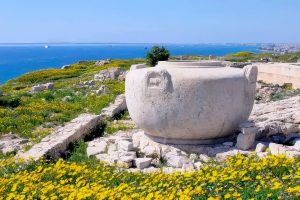
Amathus is one of the oldest royal cities on the island of Cyprus. Situated on the southern coast, just 11 kilometers east of modern Limassol, it sits among sandy hills and coastal cliffs overlooking the Mediterranean Sea. googleusercontent.com The city dates back to around 1100 BC, making it over three thousand years old. For centuries, it was one of the most powerful and wealthy kingdoms on the island. Today, its ruins tell a story of trade, religion, myth, and survival that stretches across dozens of generations. Historical Background The first people to settle in Amathus were the Eteocypriots, an indigenous group who lived on Cyprus before both the Greeks and the Phoenicians arrived. They chose a rocky coastal hill for a reason: it offered a natural harbor below and a defensible position above. The earliest signs of human presence at the site date to around 1100 BC, which places its founding right at the start of the Iron Age in the Eastern Mediterranean. The name itself likely comes from the Greek word "amathos," which simply means "sand," a fitting reference to the dunes and sandy hills surrounding the city. Legend, however, tells a different story. According to myth, the city was founded by a king called Cinyras, who named it after his mother, Amathous. Other myths connect the place to…

Read more
Nissi Beach Cyprus Sun Sea Adventure

Nissi Beach Cyprus Sun Sea Adventure

The Nissi beach stretches 500 meters along a crescent-shaped bay on the eastern coast of Cyprus, approximately three kilometers from Ayia Napa town center in the Famagusta district. The bay's distinctive feature is the small island, or "nissi" in Greek, positioned about 50 meters offshore. The water depth remains shallow throughout the bay, typically staying below waist level even 100 meters from shore, making the entire area accessible for wading and safe for families with children. dom-com The beach actually consists of two connected sections. The main stretch near the islet attracts larger crowds and hosts most water sports activities and beach bars. A second, smaller, quieter section extends to the west, providing more relaxed conditions for visitors seeking less activity. Both areas share the same water quality and sand characteristics that earned Nissi Beach its Blue Flag designation, an international eco-label awarded for excellent water cleanliness, environmental management, safety standards, and proper facilities. Historical Background Archaeological excavations conducted along the western borders of the bay in 2005 revealed firelighting equipment dating back 12,000 years. This discovery suggests the area may have been among the first locations settled by humans arriving on Cyprus. The artifacts included chipped stone tools and evidence of fire use. That shows early inhabitants recognized the bay's advantages, including protected waters, access to marine resources, and…

Read more