Explore Cyprus with Our Interactive Map

Explore our top stories and discover ideas worth your time.

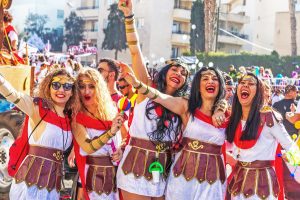
Limassol Carnival Music Dance Street Celebration

Limassol Carnival Music Dance Street Celebration

For more than a century, Limassol Carnival has transformed Cyprus’s most vibrant coastal city into a living theatre of sound, colour, and movement. For eleven days each year, folk melodies drift through narrow streets, masked dancers fill public squares, and spontaneous celebrations blur the boundaries between tradition and spectacle. The carnival is not simply entertainment. It is one of Cyprus’s most enduring expressions of community identity, cultural memory, and joyful defiance of everyday routines. limassol-org A City That Moves to Its Own Rhythm Limassol has long been known for its outward-looking character. As Cyprus’s main coastal trading hub, the city absorbed influences from Greece, Venice, the Middle East, and beyond. Carnival became the moment when these influences merged into a shared urban identity, expressed most vividly through music and dance. Unlike many European carnivals that focus primarily on visual spectacle, Limassol’s celebration is driven by sound and motion. The city becomes kinetic and audible, with mandolins echoing in alleyways, percussion groups pulsing through neighbourhoods, and folk dancers sharing streets with samba troupes. For a brief period each year, Limassol does not host the carnival. Limassol becomes the carnival. From Ancient Rituals to Urban Festivity Carnival traditions in Cyprus trace their roots to pre-Christian spring rituals associated with renewal, fertility, and the Dionysian cycle of life. Masks, role reversal, and theatrical…

Read more

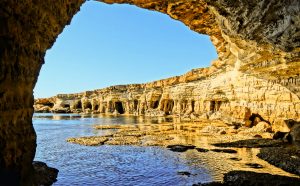
Cape Greco National Forest Park, Cyprus

Cape Greco National Forest Park, Cyprus

Cape Greco National Forest Park sits on the southeastern tip of Cyprus between the resort towns of Ayia Napa and Protaras. This protected area covers 385 hectares of dramatic coastal landscape where limestone cliffs drop into clear Mediterranean waters. The park opened in 1993 and remains free to visit 24 hours a day throughout the year. chooseyourcyprus-com The park features white limestone cliffs carved by wind and waves over thousands of years. These geological formations created numerous sea caves, natural rock bridges, and coastal platforms. The most famous rock formation is Kamara tou Koraka, a natural arch that stands 50 feet high and 23 feet wide. Erosion continues to shape this landmark, though roots from plants have unfortunately accelerated the process in recent years. The coastline offers crystal-clear water with visibility reaching up to 40 meters in good conditions. Sea temperatures range from 16 degrees Celsius in winter to 28 degrees Celsius in summer. These conditions combined with the rocky underwater landscape attract divers and snorkelers from across the island. Important Bird Area Status BirdLife International designated Cape Greco as an Important Bird Area in 2009 because it serves as a key migration site for thousands of birds traveling between Europe and Africa. The cape creates a migratory bottleneck where birds concentrate before crossing to or from the Mediterranean coast.…

Read more
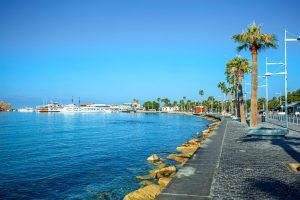
Daily Life in Cyprus

Daily Life in Cyprus

Cyprus life revolves around the Mediterranean Sea and the simple pleasure of walking. The island's 650 kilometers of coastline and 326 days of annual sunshine create perfect conditions for daily seaside visits that locals consider essential rather than optional. In-Cyprus-com Walking serves multiple purposes in Cypriot culture, from exercise and social connection to mental relaxation and community participation. The coastal promenades and beaches function as outdoor living rooms where families gather, friends meet, and strangers become acquaintances through repeated casual encounters. The History of Coastal Walking Traditions The tradition of evening coastal walks, known as the volta, traces back to ancient Greek and Roman practices of gathering in public spaces. During Byzantine times, promenades along harbor areas served as meeting points for merchants, fishermen, and community members. The Ottoman period introduced coffee culture that complemented these walking traditions, creating social patterns that persist today. British colonial rule added formal promenade design to coastal cities, particularly in Limassol and Larnaca where waterfront development emphasized public access. In-Cyprus-com The modern promenade culture emerged after Cyprus's independence in 1960, when cities began investing in coastal infrastructure. The Paphos promenade development connected the medieval harbor with archaeological sites, while Limassol created the Molos, a palm-lined waterfront park that opened in 2014. These projects reclaimed seafronts for public use after decades of commercial and industrial…

Read more