Explore Cyprus with Our Interactive Map

Explore our top stories and discover ideas worth your time.

Education and Academic Institutions

Education and Academic Institutions

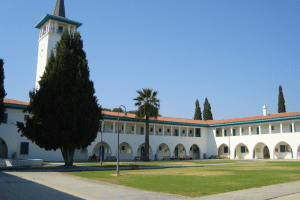
Education in Cyprus is overseen by the Ministry of Education, Sports and Youth. The education system is divided into pre-primary education for ages 3 to 6, primary education for ages 6 to 12, secondary education for ages 12 to 18, and higher education for ages 18 and above. Full-time education is compulsory for all children aged between 5 and 15. Shutterstock-com State-provided schooling including higher education is paid for by taxes, making public education free at all levels for eligible students. The Cypriot education system follows the Bologna framework, meaning degrees from Cyprus are recognized across Europe and globally, offering students internationally accepted qualifications. The Three Levels of Schooling Pre-primary education begins at age 3 and continues until age 6, though it is not mandatory. Public kindergartens operate under the Ministry of Education and follow a structured curriculum preparing children for primary school. Private kindergartens also exist, often offering bilingual or English-language programs. Shutterstock-com Primary education lasts six years from ages 6 to 12. The curriculum includes Greek language, mathematics, natural sciences, history, geography, religious education, physical education, music, and art. English language instruction typically begins in the third grade. Primary schools operate as single-shift schools, with classes from morning through early afternoon. Secondary education divides into two cycles. Lower secondary education, called Gymnasio, covers three years from ages 12…

Read more

Bay Laurel of Cyprus

Bay Laurel of Cyprus

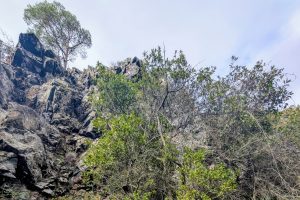
Imagine brushing past a glossy-leaved tree beside a sparkling Cypriot stream – the air instantly fills with a warm, spicy, almost resinous perfume that lingers on your fingers for hours. This is the bay laurel, standing quietly yet majestically among the island’s wild places, its leaves whispering stories of gods, victors and everyday Cypriot kitchens. www.inaturalist.org A Fragrant Evergreen of the Laurel Family Laurus nobilis, the true bay laurel or sweet bay, belongs to the Lauraceae family – a small but aromatic group that also includes cinnamon and camphor. In Cyprus it grows as an evergreen tree or large shrub, often reaching 8–15 metres in sheltered spots, though it stays more shrub-like when exposed to wind or grazing. From Apollo’s Wreath to Cypriot Streams The bay laurel has been part of Mediterranean life since antiquity. In Cyprus it was already well known when Unger and Kotschy explored the island in 1862 – they recorded it as frequent around Limassol and noted its presence among myrtle, olive and other maquis trees. Even earlier, the great physician Dioscorides (1st century AD) described its leaves and berries in detail, recommending them for digestion, inflammation and as a warming oil. In Greek mythology the tree is sacred to Apollo: when the nymph Daphne fled his advances she was transformed into a laurel, which the…

Read more
Byzantine Frescoes & Iconography

Byzantine Frescoes & Iconography

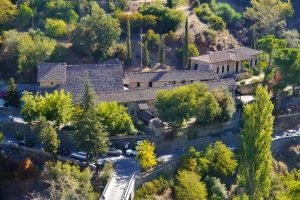
The Troodos Mountains of Cyprus contain one of the most remarkable collections of Byzantine religious art in the world. Ten churches and monasteries, all designated as UNESCO World Heritage Sites, preserve frescoes and paintings that span from the 11th to the 16th centuries. travel-rambler-ru These mountain sanctuaries hold more than just beautiful artwork. They represent a continuous tradition of Christian artistic expression that survived invasions, political upheaval, and changing empires. The paintings on their walls tell biblical stories in vivid colors that remain surprisingly bright after 900 years. What makes these sites particularly valuable is their completeness. Unlike many Byzantine monuments that suffered damage or destruction, the remote mountain locations protected these churches from the Arab raids that devastated coastal areas between the 7th and 10th centuries. The steep-pitched wooden roofs, specifically designed to handle mountain snow and rain, also helped preserve the interior artwork. Historical Background Cyprus became part of the Byzantine Empire when Constantinople was founded in 324 AD. The island inherited artistic traditions from both ancient Greek and Roman culture, which Byzantine artists developed into a distinctive Christian visual language. The first major period of Byzantine art in Cyprus lasted from the late 4th century until the 7th century. istanbultouristpass-com During this time, craftsmen built large basilicas with wooden roofs and created three exceptional apsidal mosaics. The…

Read more