Explore Cyprus with Our Interactive Map

Explore our top stories and discover ideas worth your time.

Gallery Kypriaki Gonia, Cyprus

Gallery Kypriaki Gonia, Cyprus

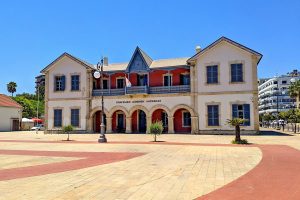
Gallery Kypriaki Gonia stands as one of Larnaca's most established independent art spaces. Located at 45 Stadiou Street in central Larnaca, this gallery has operated continuously since 1993. The name "Kypriaki Gonia" translates to "Cypriot Corner," which accurately reflects its core mission to showcase art by local and international artists. The gallery maintains a focus on both traditional and contemporary artistic approaches, giving visitors exposure to different styles and periods of Cypriot art. googlemaps-com Over three decades, the gallery has built a reputation for consistent quality in its exhibition program. It provides a platform where established artists can present major bodies of work and emerging artists can gain visibility. The space operates as a commercial gallery while also functioning as a cultural venue that contributes to Larnaca's artistic infrastructure. Historical Context By 2013, Gallery Kypriaki Gonia celebrated its 20th anniversary with a significant group exhibition. This show brought together works by 70 Cypriot and foreign artists across multiple media, including paintings, sculpture, ceramics, etchings, and photography. The exhibition received the auspices of the Mayor of Larnaca, and the opening ceremony was performed by Petros Christodoulou. All works were offered at modest prices of up to 200 euros, with 50 percent of revenue directed to the Larnaca Municipality Community Store. This charitable component demonstrated the gallery's commitment to community service alongside…

Read more

Byzantine Frescoes & Iconography

Byzantine Frescoes & Iconography

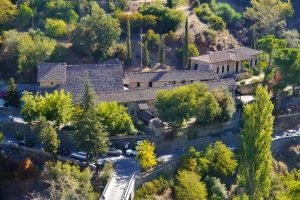
The Troodos Mountains of Cyprus contain one of the most remarkable collections of Byzantine religious art in the world. Ten churches and monasteries, all designated as UNESCO World Heritage Sites, preserve frescoes and paintings that span from the 11th to the 16th centuries. travel-rambler-ru These mountain sanctuaries hold more than just beautiful artwork. They represent a continuous tradition of Christian artistic expression that survived invasions, political upheaval, and changing empires. The paintings on their walls tell biblical stories in vivid colors that remain surprisingly bright after 900 years. What makes these sites particularly valuable is their completeness. Unlike many Byzantine monuments that suffered damage or destruction, the remote mountain locations protected these churches from the Arab raids that devastated coastal areas between the 7th and 10th centuries. The steep-pitched wooden roofs, specifically designed to handle mountain snow and rain, also helped preserve the interior artwork. Historical Background Cyprus became part of the Byzantine Empire when Constantinople was founded in 324 AD. The island inherited artistic traditions from both ancient Greek and Roman culture, which Byzantine artists developed into a distinctive Christian visual language. The first major period of Byzantine art in Cyprus lasted from the late 4th century until the 7th century. istanbultouristpass-com During this time, craftsmen built large basilicas with wooden roofs and created three exceptional apsidal mosaics. The…

Read more
Palaepaphos Kouklia – Aphrodite Cult Center

Palaepaphos Kouklia – Aphrodite Cult Center

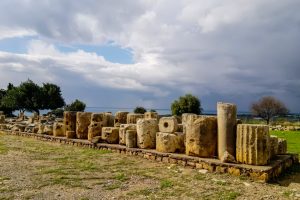
Kouklia is a village in the Paphos District built over the site of the ancient city of Palaepaphos, mythical birthplace of Aphrodite, which became the centre for her worship in the ancient world. This modest village 16 kilometers east of modern Paphos holds the remains of one of the longest continuously operating religious sanctuaries in human history. tripadvisor-com From around 1200 BC, Palaepaphos was a major religious centre famous all over Cyprus and throughout the Mediterranean. The city served as both a political capital and a sacred site, where the ancient goddess of fertility transformed over centuries into the Greek deity known as Aphrodite. The Sanctuary of Aphrodite is the most famous of the Ancient Greek Goddess' sanctuaries, and its ancient remains date back to the 12th century BC, whilst it remained a place of worship until the 3rd to 4th centuries AD. The sanctuary occupied a commanding position on a limestone plateau overlooking what was once a harbor and lagoon. According to Professor Maria Iacovou from the University of Cyprus, the sanctuary would have been located very close to the original port authority of ancient Paphos. The strategic location connected the religious site directly to sea routes, which brought pilgrims from across the Mediterranean world. Historical Background The Cypriots worshipped a goddess of fertility from as early as the…

Read more