Explore Cyprus with Our Interactive Map

Explore our top stories and discover ideas worth your time.

Troodos Monasteries and Chapels of Cyprus

Troodos Monasteries and Chapels of Cyprus

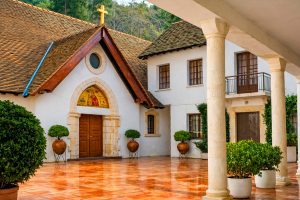
The Painted Churches in the Troodos Region represent a collection of ten Byzantine and post-Byzantine monuments dating from the 11th to the 16th centuries. These structures range from small rural chapels to monastery complexes, all sharing two defining characteristics. These are richly decorated interior frescoes and distinctive steep-pitched wooden roofs. thecypriotinme-com Nine of the churches are located in the Nicosia District, while one, Timios Stavros in Pelendri, sits in the Limassol District. Together they provide an exceptional record of Byzantine and post-Byzantine painting in Cyprus, documenting artistic developments across five centuries of religious expression. Historical Background Cyprus became fully Byzantine in 965 AD when Emperor Nikephoros II Phokas sent General Niketas Chalkoutzes to reconquer the island. Before this, Cyprus had existed for nearly 300 years as a condominium jointly administered by the Byzantine Empire and the Arab Caliphate following agreements made in 688 AD under Emperor Justinian II and Caliph Abd al-Malik. This unusual arrangement, though frequently violated by both sides, kept the island relatively demilitarized and required Cypriots to pay taxes to both powers equally. After the Byzantine reconquest in 965, Cyprus became a theme (military province) and experienced a period of modest prosperity and peace. The island's Muslims either left or converted to Christianity. During the two centuries that followed, taxes remained high, but trade in silk and…

Read more
Kition Temples Phoenician Hellenistic Period

Kition Temples Phoenician Hellenistic Period

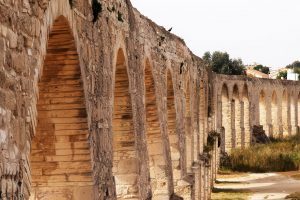
Kition, located beneath modern Larnaca on Cyprus's southeastern coast, served as a major Bronze Age settlement before the Phoenicians arrived. The site contains five successive temples dated from the late 13th to the late 11th century BC, built during the Late Bronze Age when Mycenaean Achaeans inhabited the city. LarnakaTourism-com These early temples were connected to copper smelting workshops, revealing an unusual integration of industrial and religious activities. The copper industry was central to Cyprus's prosperity, and scholars believe this placement suggests either worship of a deity related to copper production or a ritual significance attached to metallurgy itself. Around 1000 BC, the religious part of the city was abandoned, though life continued in other areas. This abandonment created a gap in the archaeological record until the Phoenicians revitalized the site two centuries later. Historical Background The Phoenicians arrived at Kition near the end of the 9th century BC, first as traders and later as permanent settlers. Around 850 BC, they built a large temple dedicated to Astarte on the foundations of an earlier Mycenaean temple. This temple became the most important religious building in the city and stayed in use for more than five centuries. Researchgate-net The Temple of Astarte was a major architectural achievement. The rectangular building measured 35 by 22 meters, with walls made of large ashlar…

Read more
Nicosia Central Prison Symbol of Colonial Rule

Nicosia Central Prison Symbol of Colonial Rule

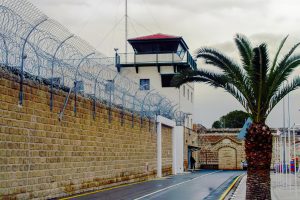
Nicosia Central Prison stands as a poignant symbol of Cyprus's colonial past and the island's struggle for independence, evolving from a British-built facility for maintaining order to a site of resistance and remembrance. Constructed in the late 19th century under British rule, this prison in the heart of Nicosia served as the primary detention center for criminals, dissidents, and political prisoners, reflecting the empire's efforts to control a strategically vital Mediterranean outpost. Later, during the mid-20th century Cyprus Emergency, it became synonymous with the anti-colonial fight led by EOKA fighters, who faced imprisonment, torture, and execution within its walls. As the only operational prison in the Republic of Cyprus today, parts of it have been preserved as a museum honoring those who resisted British authority, highlighting themes of repression, resilience, and national identity. This institution underscores Cyprus's complex history, where colonial architecture and punitive systems intersected with the rise of nationalism, shaping the island's path to sovereignty and continuing to evoke reflections on justice and memory in a divided nation. coe-int A Key Colonial Institution Nicosia Central Prison, nestled in the capital's urban fabric, emerged as a cornerstone of British colonial governance, designed to enforce law and order while suppressing dissent in a territory acquired from the Ottoman Empire in 1878. Spanning several hectares with fortified walls and watchtowers, the…

Read more