Explore Cyprus with Our Interactive Map

Explore our top stories and discover ideas worth your time.

Daily Life in Cyprus

Daily Life in Cyprus

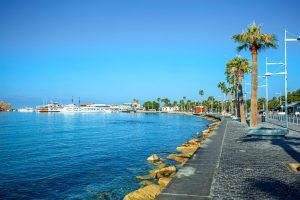
Cyprus life revolves around the Mediterranean Sea and the simple pleasure of walking. The island's 650 kilometers of coastline and 326 days of annual sunshine create perfect conditions for daily seaside visits that locals consider essential rather than optional. In-Cyprus-com Walking serves multiple purposes in Cypriot culture, from exercise and social connection to mental relaxation and community participation. The coastal promenades and beaches function as outdoor living rooms where families gather, friends meet, and strangers become acquaintances through repeated casual encounters. The History of Coastal Walking Traditions The tradition of evening coastal walks, known as the volta, traces back to ancient Greek and Roman practices of gathering in public spaces. During Byzantine times, promenades along harbor areas served as meeting points for merchants, fishermen, and community members. The Ottoman period introduced coffee culture that complemented these walking traditions, creating social patterns that persist today. British colonial rule added formal promenade design to coastal cities, particularly in Limassol and Larnaca where waterfront development emphasized public access. In-Cyprus-com The modern promenade culture emerged after Cyprus's independence in 1960, when cities began investing in coastal infrastructure. The Paphos promenade development connected the medieval harbor with archaeological sites, while Limassol created the Molos, a palm-lined waterfront park that opened in 2014. These projects reclaimed seafronts for public use after decades of commercial and industrial…

Read more
Shepherd Calls and Vocal Signals

Shepherd Calls and Vocal Signals

Shepherd Calls and Vocal Signals are non-musical vocal expressions integral to pastoral life in Cyprus, forming a unique soundscape shaped by the island's landscape and herding traditions. These calls, including whistles, shouts, and melodic cries, serve practical purposes like directing flocks or communicating across distances, while carrying cultural depth. This practice preserves ancient methods of interaction with nature, highlighting how sound connects livelihood, environment, and community in Cypriot rural heritage. polignosi-com An Acoustic Tradition of the Countryside Shepherd calls and vocal signals represent a functional form of communication in Cypriot pastoralism, where sounds replace words to manage livestock and navigate terrain. These expressions, devoid of formal melody, rely on pitch, volume, and timbre to convey commands or alerts. In the island's varied landscapes - from coastal plains to Troodos mountains - they create an auditory layer that blends with natural echoes, forming a soundscape unique to herding life. This tradition underscores how Cypriot shepherds adapted vocal techniques to their environment, turning everyday tasks into a cultural practice that links humans, animals, and land. digital-sandiego-edu The Historical Foundations of Vocal Herding Shepherd calls in Cyprus trace origins to prehistoric times, when early inhabitants domesticated animals around 8500 BC during the Neolithic period. Archaeological evidence from sites like Choirokoitia shows tools for herding, suggesting vocal signals accompanied flock management. By the Bronze…

Read more
Lefkara Lace (Lefkaritika)

Lefkara Lace (Lefkaritika)

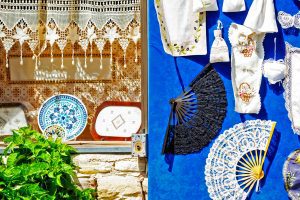
Lefkara Lace (Lefkaritika) is a world-renowned handmade lace tradition from Cyprus, distinguished by its geometric precision, white-on-white stitching, and centuries-old transmission through female artisans. Originating in the village of Lefkara, this craft blends intricate patterns that symbolize nature and life, creating delicate textiles prized for their elegance and cultural depth. Recognized by UNESCO as intangible cultural heritage in 2009, it represents Cyprus's enduring artisanal legacy, where women's hands have woven history into fabric for generations. unesco-org A Timeless Craft of Elegance and Skill Lefkara lace, known locally as Lefkaritika, embodies the island's rich textile heritage, a form of needlework where fine linen threads are drawn and stitched into intricate designs that appear almost ethereal against a white background. Produced exclusively in the villages of Pano and Kato Lefkara in the Larnaca District, this lace features geometric motifs inspired by nature, such as rivers, daisies, and almond blossoms, arranged in symmetrical patterns that require exceptional precision and patience. The craft's white-on-white aesthetic, using unbleached cotton or linen, creates subtle shadows and textures that play with light, giving pieces a luminous quality. This tradition not only produces beautiful items like tablecloths, doilies, and clothing but also serves as a cultural symbol of Cypriot ingenuity, where women's artistry has sustained communities through economic and social changes. The process begins with "dafna," a counted…

Read more